

RedKalion
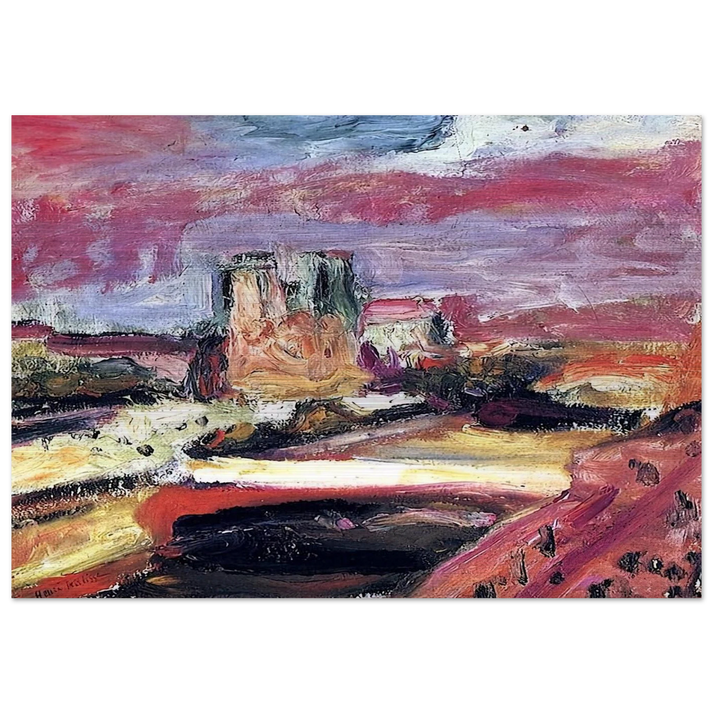
NOTRE DAME 1904 - Henri Matisse Brushed Aluminum Print - 70x100 cm / 28x40 inches | Henri Matisse Aluminum Print | Henri Matisse Prints
NOTRE DAME 1904 - Henri Matisse Brushed Aluminum Print - 70x100 cm / 28x40 inches | Henri Matisse Aluminum Print | Henri Matisse Prints
Couldn't load pickup availability
Notre Dame 1904 by Henri Matisse: A Modernist Icon in Brushed Aluminum
Experience the bold vision of Henri Matisse with this museum-quality brushed aluminum print of Notre Dame 1904. This iconic work captures the artist's early exploration of Fauvism, where he broke from traditional representation to emphasize emotional expression through simplified forms and a restrained palette. The scene of Paris's Notre-Dame Cathedral, rendered in stark black and white, reflects Matisse's revolutionary approach to composition and light.
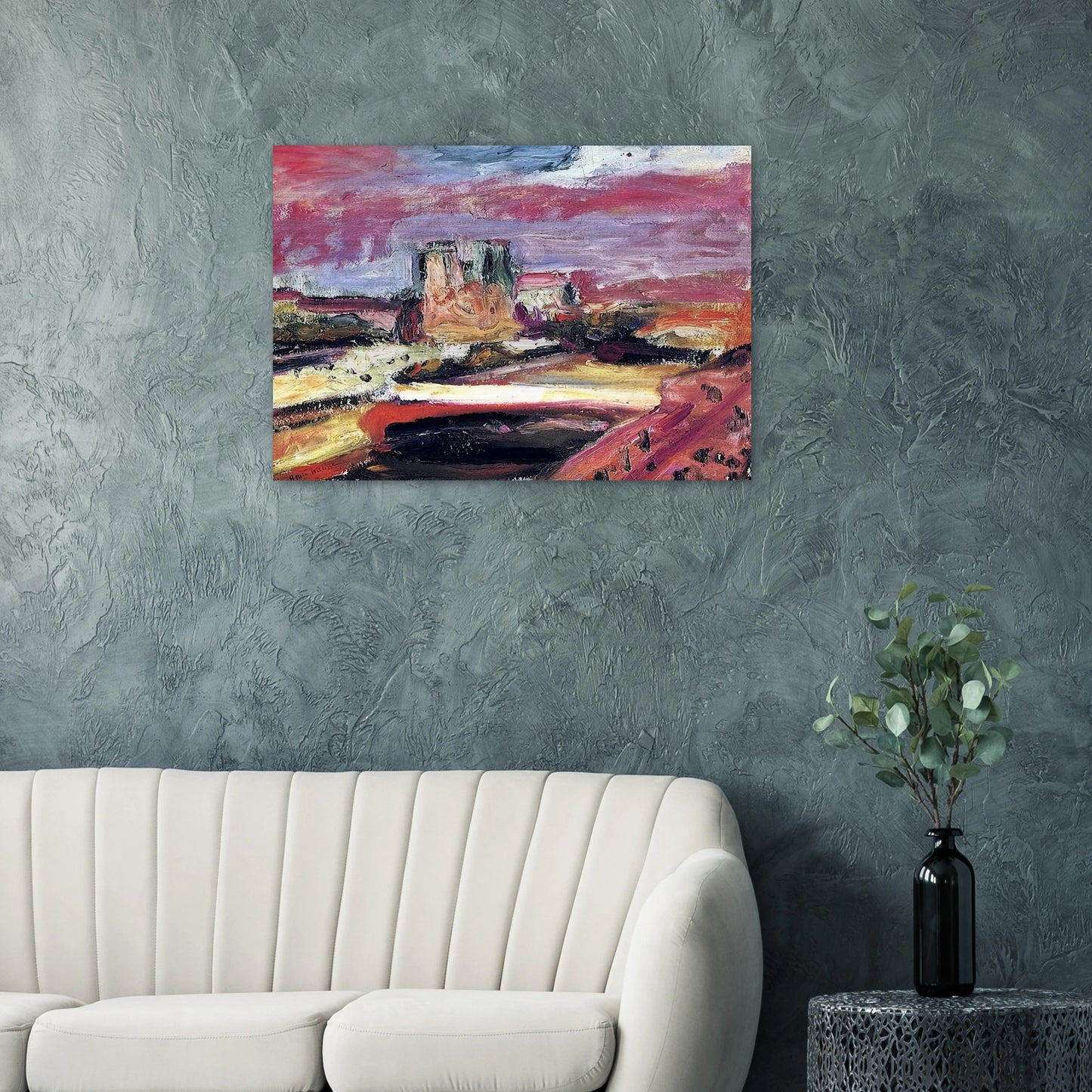
RedKalion presents this archival-grade reproduction on premium brushed silver Aluminum DIBOND®, featuring a 3mm thickness for a durable, rigid display. The direct print on AluDibond ensures vivid, lasting colors with a matte finish, while unprinted areas reveal a dynamic metallic silver effect through the horizontal grain. This fine art print measures 70x100 cm (28x40 inches) and includes a hanging kit for effortless installation.
Elevate your space with a piece that bridges art history and contemporary design, offering a glare-free, sophisticated addition to any interior.


Discover Unlimited Art Possibilities
At RedKalion, you can find virtually any artwork from any artist, available in a wide range of sizes to perfectly match your space.
If you didn’t find what you’re looking for, contact us at support@redkalion.com . We will source any artwork and produce it in any size and format you need, including art prints, posters, canvas, framed pieces, framed canvas, and more.
For dedicated art enthusiasts, we also offer handcrafted replicas of any artwork, carefully painted by highly skilled artists using traditional techniques.
For custom requests, contact us at support@redkalion.com .
What is the historical significance of Notre Dame 1904 by Henri Matisse?
Notre Dame 1904 is a key early work by Henri Matisse, showcasing his shift toward Fauvism with simplified forms and emotional expression, capturing Paris's Notre-Dame Cathedral in a modernist style that influenced 20th-century art.
What materials are used in this Henri Matisse aluminum print?
This museum-quality reproduction is printed on brushed silver Aluminum DIBOND® with a 3mm thickness, offering a durable, rigid base with a matte finish and metallic silver effect for dynamic display.
How does the brushed aluminum finish enhance this fine art print?
The brushed aluminum finish provides a glare-free, matte surface with a horizontal grain, ideal for black-and-white designs like Notre Dame 1904, creating a striking visual contrast and modern aesthetic.
What are the dimensions and shipping details for this Henri Matisse print?
This print measures 70x100 cm (28x40 inches) and includes a hanging kit; shipping logistics vary by fulfillment country, with secure packaging to ensure safe delivery of your archival reproduction.
How durable and archival is this brushed aluminum print?
Made with direct print on Aluminum DIBOND®, this print offers long-lasting vivid colors and resistance to fading, ensuring an archival masterpiece that endures for years in your collection.
Why did Matisse choose a black-and-white palette for Notre Dame 1904?
Matisse used a restrained black-and-white palette in Notre Dame 1904 to emphasize form, light, and shadow, reflecting his experimental phase and departure from traditional color usage in early modernism.
How does the metallic silver effect work in this aluminum print?
Unprinted white areas on the brushed aluminum reveal a metallic silver effect through the horizontal grain, adding depth and a dynamic look that complements the matte finish of the artwork.