RedKalion
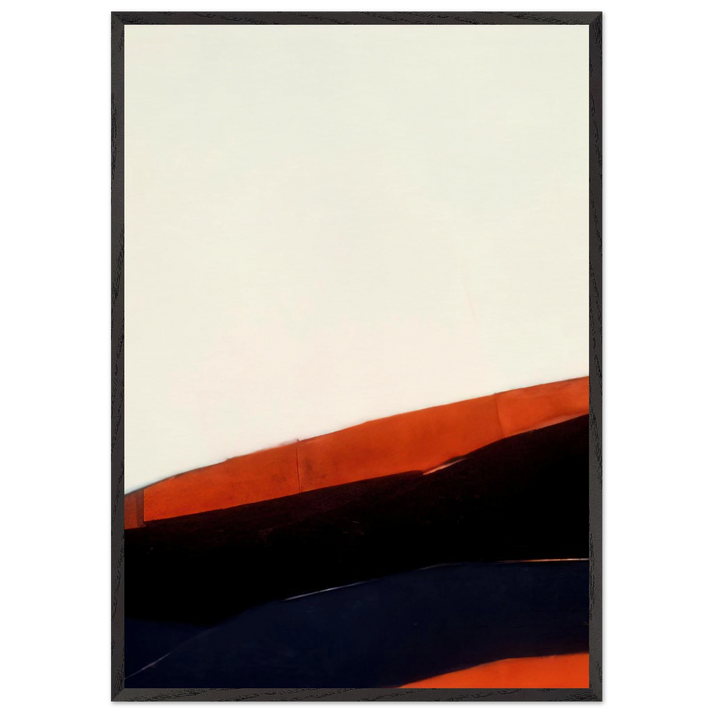
November 1963 III - 1963 N1 - Edward Corbett 70x100 cm / 28x40 inches Framed Art Print – Black Wooden Frame
November 1963 III - 1963 N1 - Edward Corbett 70x100 cm / 28x40 inches Framed Art Print – Black Wooden Frame
Couldn't load pickup availability
November 1963 III - 1963 N1 by Edward Corbett: A Masterpiece of Abstract Expressionism
Immerse yourself in the profound emotional depth of November 1963 III - 1963 N1, a pivotal work by American Abstract Expressionist Edward Corbett. Created in 1963, this painting captures the turbulent spirit of its era, blending gestural brushwork with a contemplative palette that evokes both introspection and raw energy. Corbett, a key figure in the San Francisco art scene, masterfully explores themes of memory and transition, making this piece a significant artifact of mid-20th century art history.
RedKalion presents this museum-quality reproduction as a framed art print, meticulously crafted to honor Corbett's original vision. Our archival-grade print is produced on 250 gsm (110 lb) matte, uncoated, natural white paper with a thickness of 0.29 mm (11.4 mils), ensuring exceptional durability and a premium tactile feel. The artwork is elegantly housed in a black wooden frame made from responsibly sourced oak and ash wood, measuring 20mm (0.79") thick and wide for a bold, contemporary presence. Protected by shatterproof plexiglass, this ready-to-hang piece includes a hanging kit for immediate display, allowing you to elevate any space with a timeless, archival masterpiece that endures.
Art Historical Insight: Edward Corbett's work from this period often reflects the influence of the Bay Area Figurative Movement, yet November 1963 III - 1963 N1 showcases his shift toward abstraction, using layered textures and muted tones to convey the complex emotions of post-war America. This print offers a rare glimpse into his experimental techniques, making it a coveted addition for collectors and enthusiasts of fine art reproductions.

Discover Unlimited Art Possibilities
At RedKalion, you can find virtually any artwork from any artist, available in a wide range of sizes to perfectly match your space.
If you didn’t find what you’re looking for, contact us at support@redkalion.com . We will source any artwork and produce it in any size and format you need, including art prints, posters, canvas, framed pieces, framed canvas, and more.
For dedicated art enthusiasts, we also offer handcrafted replicas of any artwork, carefully painted by highly skilled artists using traditional techniques.
For custom requests, contact us at support@redkalion.com .
What are the dimensions of this Edward Corbett framed art print?
The print measures 70x100 cm (28x40 inches), framed in a black wooden frame that is 20mm (0.79") thick and wide, providing a sturdy and elegant display for this museum-quality reproduction.
What type of paper is used for this fine art print?
We use 250 gsm (110 lb) matte, uncoated, natural white archival museum-quality paper with a thickness of 0.29 mm (11.4 mils), ideal for premium fine art reproductions that resist fading.
Is this framed print ready to hang?
Yes, it includes a hanging kit and is ready-to-hang directly on your wall, making installation simple for this black wooden frame art piece.
How does the frame protect the artwork?
The frame features shatterproof plexiglass to safeguard the print from damage, ensuring long-lasting preservation of this Edward Corbett masterpiece.
Is the paper sustainable for this archival print?
Yes, we use FSC-certified materials or equivalent, supporting eco-friendly practices in our museum-quality reproductions.
What historical significance does November 1963 III - 1963 N1 hold?
Created in 1963, this work reflects Edward Corbett's exploration of abstraction during a transformative period in American art, blending emotional depth with innovative techniques from the San Francisco scene.
How does Corbett's technique influence the mood of this artwork?
Corbett uses gestural brushwork and a muted palette to evoke introspection and raw energy, capturing the turbulent spirit of the early 1960s in this Abstract Expressionist piece.