RedKalion
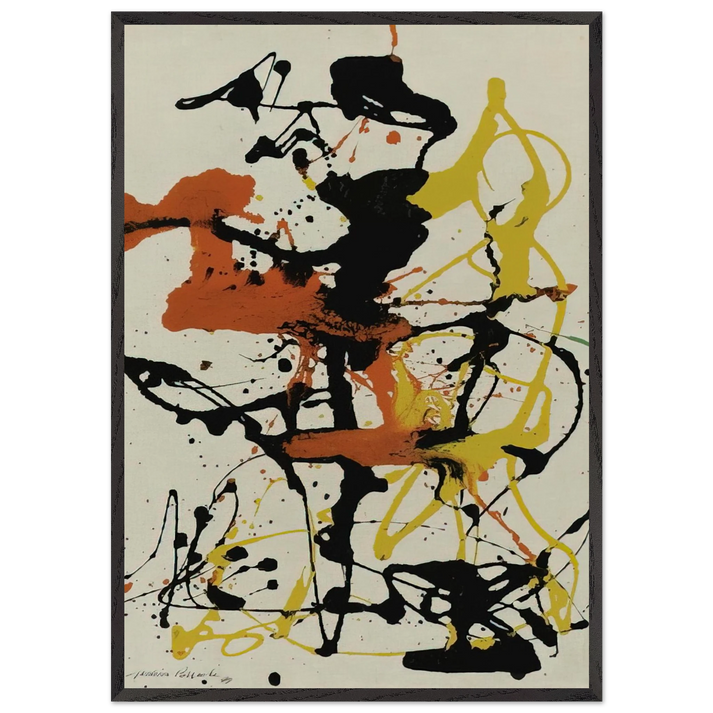
NUMBER 26 1949 - Jackson Pollock 70x100 cm / 28x40 inches Framed Art Print – Black Wooden Frame
NUMBER 26 1949 - Jackson Pollock 70x100 cm / 28x40 inches Framed Art Print – Black Wooden Frame
Couldn't load pickup availability
NUMBER 26 1949 - Jackson Pollock Framed Art Print
Elevate your space with a museum-quality framed art print of Jackson Pollock's NUMBER 26 1949. This iconic work from the peak of Pollock's drip-painting period captures the raw energy and revolutionary spirit of Abstract Expressionism. Our archival reproduction brings the dynamic splatters and intricate layers of this masterpiece into your home or office, offering a bold statement piece that sparks conversation and inspires creativity.
RedKalion's premium reproduction is crafted on 250 gsm (110 lb) matte, uncoated, natural white archival museum-quality paper, ensuring exceptional detail and color fidelity. The print is protected by shatterproof plexiglass and elegantly framed in a 20mm (0.79\") thick black wooden frame made from responsibly sourced oak and ash wood, wider than the classic 14mm frame for a substantial, gallery-ready presence. Each piece is ready-to-hang with an included hanging kit, allowing for immediate display without additional effort.
As a premier online gallery, RedKalion specializes in archival-grade reproductions that honor the artist's original vision. Our commitment to sustainability includes using FSC-certified materials or equivalent, ensuring your art investment supports ethical practices. This framed art print measures 70x100 cm / 28x40 inches, making it an ideal centerpiece for modern interiors seeking depth and historical significance.

Discover Unlimited Art Possibilities
At RedKalion, you can find virtually any artwork from any artist, available in a wide range of sizes to perfectly match your space.
If you didn’t find what you’re looking for, contact us at support@redkalion.com . We will source any artwork and produce it in any size and format you need, including art prints, posters, canvas, framed pieces, framed canvas, and more.
For dedicated art enthusiasts, we also offer handcrafted replicas of any artwork, carefully painted by highly skilled artists using traditional techniques.
For custom requests, contact us at support@redkalion.com .
What is the significance of Jackson Pollock's NUMBER 26 1949?
NUMBER 26 1949 is a key work from Pollock's drip-painting era, showcasing his revolutionary technique of pouring and splattering paint to create dynamic, abstract compositions that defined Abstract Expressionism and modern art history.
What are the exact dimensions of this framed art print?
This framed art print measures 70x100 cm / 28x40 inches, including the black wooden frame, making it a substantial piece perfect for enhancing living rooms, offices, or gallery walls with museum-quality fine art.
What type of paper is used for this museum-quality reproduction?
We use 250 gsm (110 lb) matte, uncoated, natural white archival museum-quality paper, which is 0.29 mm (11.4 mils) thick, ideal for fine art prints to ensure longevity and vibrant color reproduction.
Is this framed print ready to hang upon delivery?
Yes, this framed art print is ready-to-hang and includes a hanging kit, so you can display it directly on your wall without any additional setup or tools required.
How durable and protective is the framing for this art print?
The frame is made from 20mm (0.79\") thick responsibly sourced oak and ash wood, wider than classic frames, and features shatterproof plexiglass to protect the print from damage while ensuring archival longevity.
What makes Pollock's drip-painting technique unique in NUMBER 26 1949?
Pollock's technique involved laying canvas on the floor and using sticks or hardened brushes to drip and splatter paint, creating intricate, layered patterns that emphasized movement and emotion, as seen in NUMBER 26 1949's chaotic yet controlled composition.
Are the materials used in this print environmentally sustainable?
Yes, we prioritize sustainability by using FSC-certified materials or equivalent for the paper and frame, ensuring your fine art print supports ethical and eco-friendly practices in archival reproduction.