RedKalion
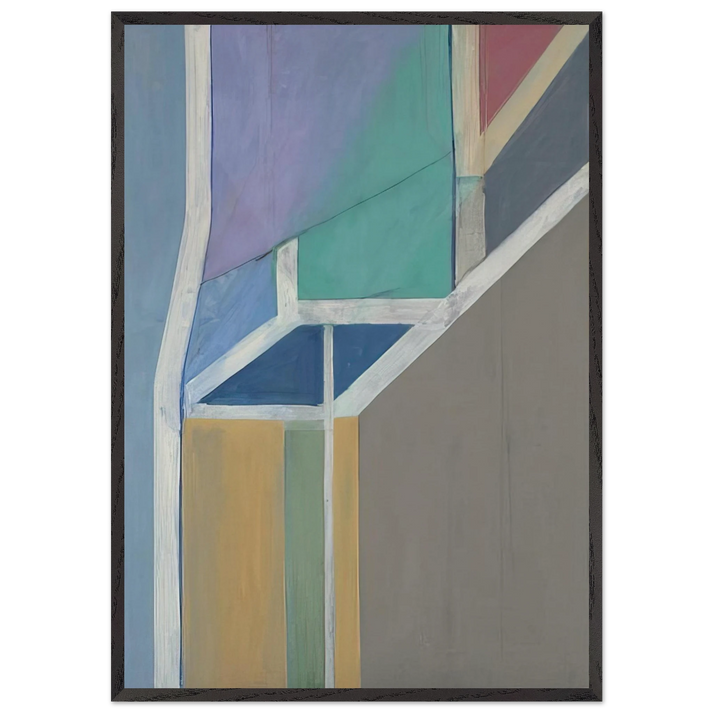
Ocean Park 19 - Richard Diebenkorn 70x100 cm / 28x40 inches Framed Art Print – Black Wooden Frame
Ocean Park 19 - Richard Diebenkorn 70x100 cm / 28x40 inches Framed Art Print – Black Wooden Frame
Couldn't load pickup availability
Ocean Park 19 by Richard Diebenkorn: A Museum-Quality Framed Art Print
Elevate your space with Ocean Park 19, a masterful fine art print by renowned American artist Richard Diebenkorn. This museum-quality reproduction captures the serene abstraction and luminous color fields that define Diebenkorn's iconic Ocean Park series, created between 1967 and 1988. Inspired by the light and landscape of coastal California, this piece evokes a meditative calm, blending geometric precision with atmospheric depth—perfect for modern interiors seeking sophistication and artistic heritage.
Our archival-grade framed art print ensures lasting beauty and integrity. Printed on 250 gsm (110 lb) matte, uncoated, natural white paper with a thickness of 0.29 mm (11.4 mils), it offers a premium, tactile feel ideal for fine art. The print is protected by shatterproof plexiglass and framed in a responsibly sourced oak and ash wood frame, measuring 20mm (0.79") thick and wide for a substantial, gallery-worthy presence. Sustainable FSC-certified materials underscore our commitment to quality and ethics. Ready-to-hang with an included kit, this piece arrives prepared to transform your wall into a curated showcase.
As an elite offering from RedKalion, we specialize in premium reproductions that honor artistic legacy. Diebenkorn's technique in Ocean Park 19 involves layered washes and drawn lines, creating a dialogue between structure and spontaneity—a hallmark of his transition from figurative to abstract expressionism. Trust our expertise to deliver an enduring masterpiece that combines historical significance with contemporary craftsmanship.

Discover Unlimited Art Possibilities
At RedKalion, you can find virtually any artwork from any artist, available in a wide range of sizes to perfectly match your space.
If you didn’t find what you’re looking for, contact us at support@redkalion.com . We will source any artwork and produce it in any size and format you need, including art prints, posters, canvas, framed pieces, framed canvas, and more.
For dedicated art enthusiasts, we also offer handcrafted replicas of any artwork, carefully painted by highly skilled artists using traditional techniques.
For custom requests, contact us at support@redkalion.com .
What are the dimensions of this framed Ocean Park 19 print?
The framed print measures 70x100 cm (28x40 inches), with a 20mm (0.79") thick and wide black wooden frame, offering a substantial gallery presence for this museum-quality reproduction.
What type of paper is used for this fine art print?
We use 250 gsm (110 lb) matte, uncoated, natural white archival museum-quality paper, 0.29 mm (11.4 mils) thick, ensuring premium durability and ideal for fine art reproductions.
Is this framed print ready to hang?
Yes, it includes a hanging kit and is ready-to-hang directly on your wall, making installation simple for this archival-grade framed art print.
How is the print protected in the frame?
The print is safeguarded by shatterproof plexiglass, providing clear protection without the risk of breakage, enhancing the longevity of this premium reproduction.
What materials are used in the frame?
The frame is made from responsibly sourced oak and ash wood, with sustainable FSC-certified materials, ensuring an eco-friendly and durable black wooden frame.
What inspired Richard Diebenkorn's Ocean Park series?
Diebenkorn's Ocean Park series was inspired by the light and landscapes of coastal California, blending geometric abstraction with atmospheric color fields from 1967 to 1988.
How does Diebenkorn's technique in Ocean Park 19 reflect his artistic style?
In Ocean Park 19, Diebenkorn used layered washes and drawn lines to create a balance between structure and spontaneity, showcasing his transition to abstract expressionism in fine art.