

RedKalion
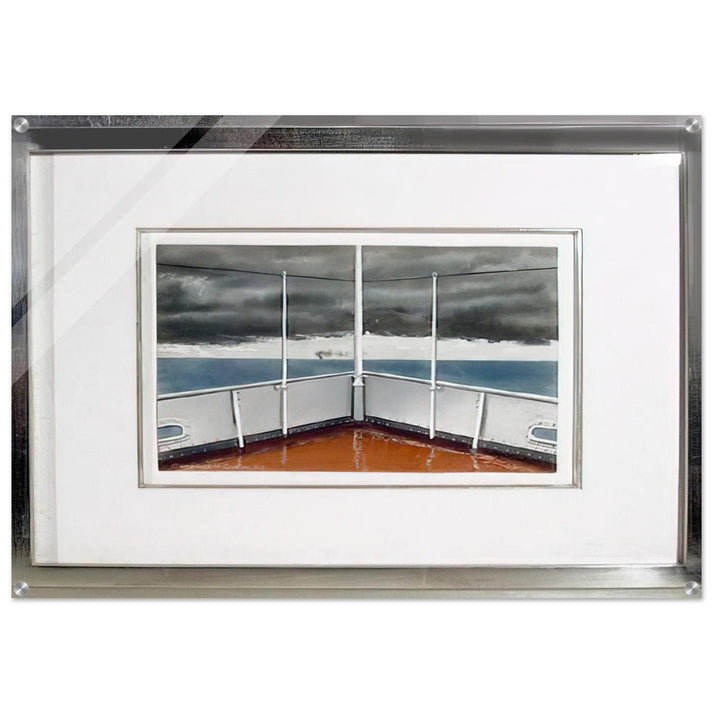
On the Great Lakes - 1953 - Clarence Holbrook Carter Acrylic Print - 70x100 cm / 28x40″ inches | Clarence Holbrook Carter Wall Art | Clarence Holbrook Carter Prints
On the Great Lakes - 1953 - Clarence Holbrook Carter Acrylic Print - 70x100 cm / 28x40″ inches | Clarence Holbrook Carter Wall Art | Clarence Holbrook Carter Prints
Couldn't load pickup availability
On the Great Lakes - 1953 by Clarence Holbrook Carter: A Mid-Century Modern Masterpiece
Immerse yourself in the dynamic energy of Clarence Holbrook Carter's "On the Great Lakes - 1953," now available as a premium acrylic print from RedKalion. This museum-quality reproduction captures Carter's distinctive blend of Precisionism and Surrealism, reflecting the industrial might and natural grandeur of America's heartland in the post-war era. The artwork's geometric forms and atmospheric depth evoke a sense of timeless movement and technological optimism, making it a sophisticated statement piece for modern interiors.
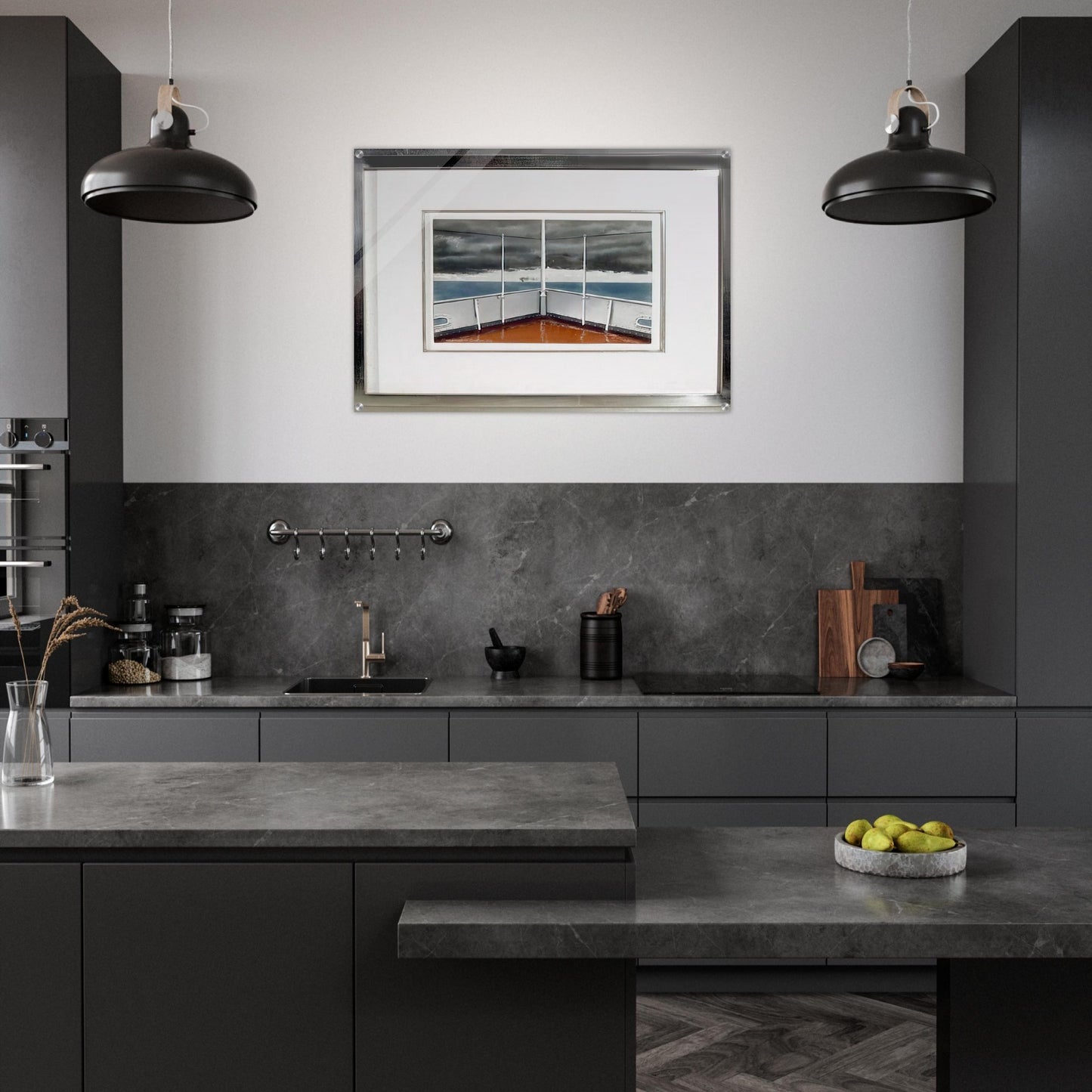
Our archival-grade Clarence Holbrook Carter print is meticulously crafted on 4mm (0.15") acrylic, ensuring vibrant colors and a sleek, durable finish that resists fading. With straight-cut corners for a contemporary aesthetic and transparent backgrounds optimized to white for clarity, this 70x100 cm / 28x40" inches reproduction arrives ready to elevate any space. Each piece includes a complete hanging kit—hardware, screws, and pre-drilled screw holes (14mm from the edge, 8mm diameter)—for effortless installation. Trust RedKalion to deliver a fine art print that combines historical significance with enduring quality, perfect for collectors and design enthusiasts seeking authentic Clarence Holbrook Carter wall art.
Art Historical Insight: Clarence Holbrook Carter (1904-2000) was a pivotal figure in American Modernism, known for his "Magic Realism" style that merged precise architectural details with dreamlike elements. "On the Great Lakes" exemplifies his fascination with industrial landscapes, using acrylic paints—a then-novel medium—to create luminous layers that highlight the interplay between human engineering and natural forces. This piece not only decorates but educates, offering a window into mid-20th century artistic innovation.


Discover Unlimited Art Possibilities
At RedKalion, you can find virtually any artwork from any artist, available in a wide range of sizes to perfectly match your space.
If you didn’t find what you’re looking for, contact us at support@redkalion.com . We will source any artwork and produce it in any size and format you need, including art prints, posters, canvas, framed pieces, framed canvas, and more.
For dedicated art enthusiasts, we also offer handcrafted replicas of any artwork, carefully painted by highly skilled artists using traditional techniques.
For custom requests, contact us at support@redkalion.com .
What are the dimensions and material of this Clarence Holbrook Carter acrylic print?
This fine art print measures 70x100 cm (28x40 inches) and is crafted on 4mm (0.15") high-quality acrylic for a vibrant, museum-quality reproduction with a sleek finish.
How is the acrylic print mounted and hung?
It features straight-cut corners and includes a hanging kit with hardware, screws, and pre-drilled screw holes (14mm from edge, 8mm diameter) for easy, secure installation of your Clarence Holbrook Carter wall art.
What shipping and delivery options are available for this artwork?
We offer global shipping with tracking; delivery times vary by location, and your archival-grade print is carefully packaged to ensure it arrives in pristine condition.
How durable and fade-resistant is this acrylic print?
Our premium acrylic material provides excellent durability and UV resistance, ensuring your Clarence Holbrook Carter print maintains its vibrant colors for years as a long-lasting art reproduction.
Can I customize the background color of this print?
Transparent backgrounds default to white for optimal presentation, but contact us for potential customization options to match your interior design needs.
What artistic style and era does "On the Great Lakes - 1953" represent?
This artwork reflects Clarence Holbrook Carter's mid-century Modernist style, blending Precisionism and Surrealism to depict industrial landscapes in post-war America, showcasing his innovative use of acrylic paints.
What details in the artwork highlight Carter's technique?
Carter employed geometric forms and layered acrylics to create luminous depth, emphasizing the contrast between human structures and natural elements like water and sky in this iconic piece.