

RedKalion
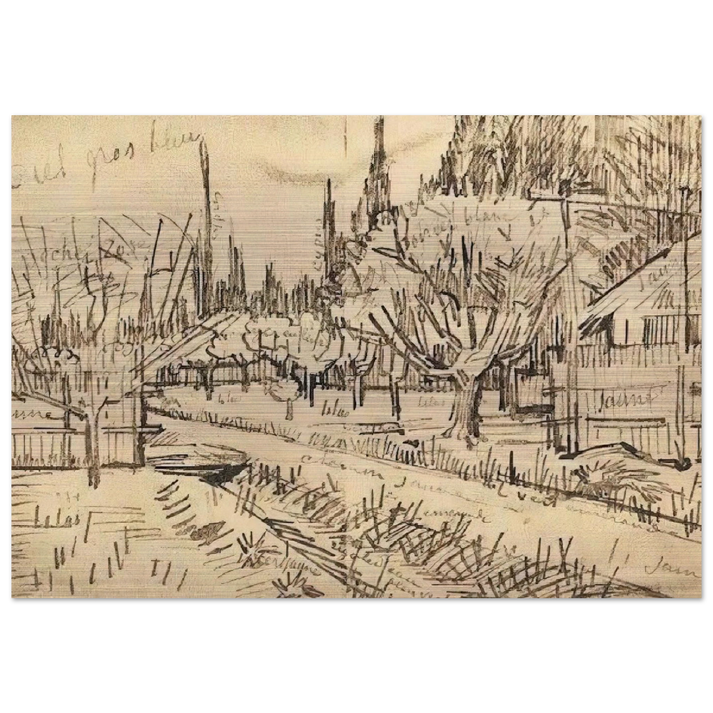
Orchard Surrounded by Cypresses - Vincent van Gogh Brushed Aluminum Print - 70x100 cm / 28x40 inches | Vincent van Gogh Aluminum Print | Vincent van Gogh Prints
Orchard Surrounded by Cypresses - Vincent van Gogh Brushed Aluminum Print - 70x100 cm / 28x40 inches | Vincent van Gogh Aluminum Print | Vincent van Gogh Prints
Couldn't load pickup availability
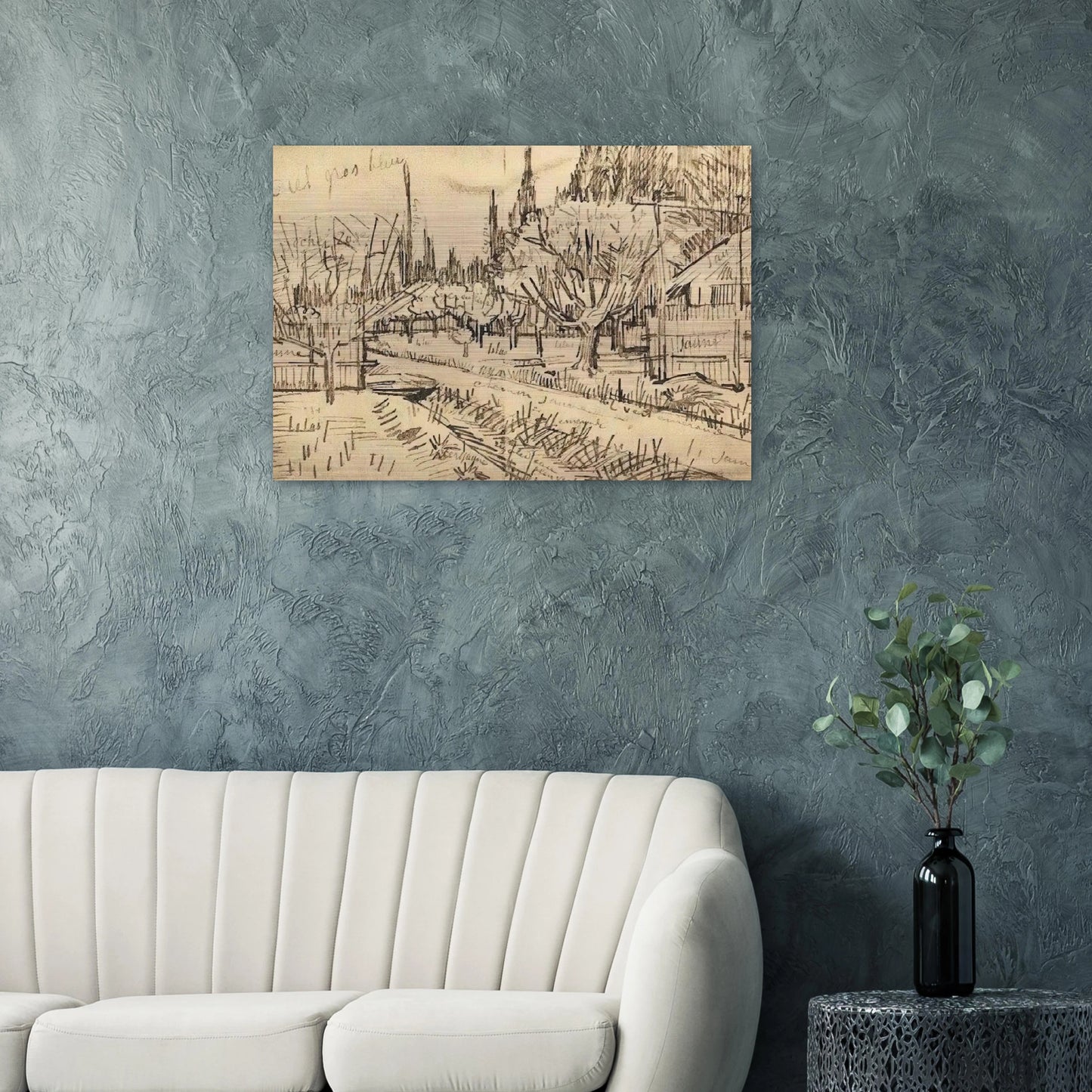
Orchard Surrounded by Cypresses - Vincent van Gogh Brushed Aluminum Print
Immerse yourself in the vibrant, swirling energy of Vincent van Gogh's "Orchard Surrounded by Cypresses" with this museum-quality reproduction. Created in 1888 during his prolific Arles period, this masterpiece showcases van Gogh's revolutionary Post-Impressionist technique, where thick, expressive brushstrokes and a vivid color palette convey the raw beauty and emotional intensity of the Provençal landscape. The cypress trees, a recurring motif in his work, twist skyward like dark flames against a luminous sky, symbolizing both life and eternity—a testament to van Gogh's genius in blending natural observation with profound symbolism.
RedKalion elevates this iconic artwork into a contemporary heirloom with our premium brushed silver Aluminum DIBOND® print. Measuring 70x100 cm (28x40 inches), this piece features a direct print on 3mm-thick AluDibond, ensuring vivid, fade-resistant colors and a matte, glare-free finish that captures every nuanced brushstroke. The unprinted white areas reveal a striking metallic silver effect, adding a dynamic, modern edge to van Gogh's classic composition. Each print includes a complete hanging kit for effortless display, making it ready to transform any space into a gallery-worthy sanctuary.
As a trusted curator of fine art prints, RedKalion combines archival-grade materials with expert craftsmanship. This aluminum print is not just a decoration; it's a durable, rigid masterpiece designed to endure, offering a sophisticated way to bring van Gogh's visionary artistry into your home or office. Elevate your environment with a reproduction that honors the artist's legacy while delivering unmatched quality and presence.


Discover Unlimited Art Possibilities
At RedKalion, you can find virtually any artwork from any artist, available in a wide range of sizes to perfectly match your space.
If you didn’t find what you’re looking for, contact us at support@redkalion.com . We will source any artwork and produce it in any size and format you need, including art prints, posters, canvas, framed pieces, framed canvas, and more.
For dedicated art enthusiasts, we also offer handcrafted replicas of any artwork, carefully painted by highly skilled artists using traditional techniques.
For custom requests, contact us at support@redkalion.com .
What are the dimensions and material of this Vincent van Gogh aluminum print?
This museum-quality print measures 70x100 cm (28x40 inches) and is crafted from brushed silver Aluminum DIBOND® with a 3mm thickness for durability and a sleek metallic finish.
How does the printing process enhance the artwork's details?
We use direct printing on AluDibond to achieve vivid colors and a matte, glare-free finish, with unprinted areas revealing a dynamic metallic silver effect that highlights van Gogh's brushstrokes.
Is a hanging kit included with this fine art print?
Yes, a complete hanging kit is included with every order, though specific components may vary by fulfillment country to ensure secure installation.
What makes this reproduction archival and long-lasting?
Our aluminum prints feature fade-resistant inks and a rigid 3mm AluDibond base, designed for archival longevity and resistance to environmental damage.
How does the brushed silver finish affect the artwork's appearance?
The brushed silver finish adds a horizontal grain and metallic sheen, creating a dynamic look that complements van Gogh's expressive style, especially in black-and-white elements.
What is the historical significance of "Orchard Surrounded by Cypresses"?
Painted in 1888 in Arles, this work reflects van Gogh's Post-Impressionist innovation, using cypress trees as symbols of eternity and vibrant colors to capture the emotional essence of the Provençal landscape.
Why did van Gogh frequently depict cypress trees in his art?
Van Gogh saw cypresses as powerful symbols of life and death, often portraying them as swirling, flame-like forms to convey movement and spiritual depth in his compositions.