RedKalion
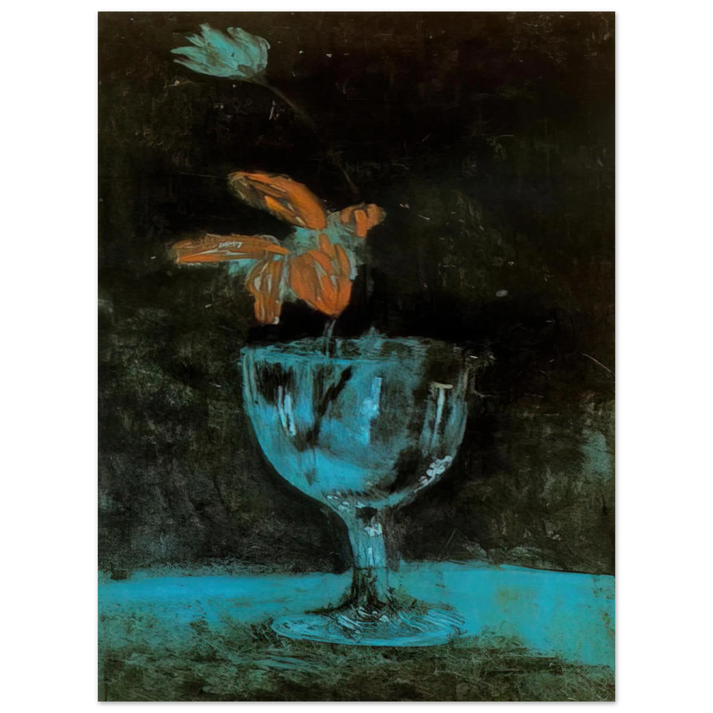
Pablo Picasso - A blue vase - 1903 75x100 cm / 30x40inches Fine Art Poster
Pablo Picasso - A blue vase - 1903 75x100 cm / 30x40inches Fine Art Poster
Couldn't load pickup availability
Pablo Picasso - A Blue Vase (1903) - Museum-Quality Fine Art Print
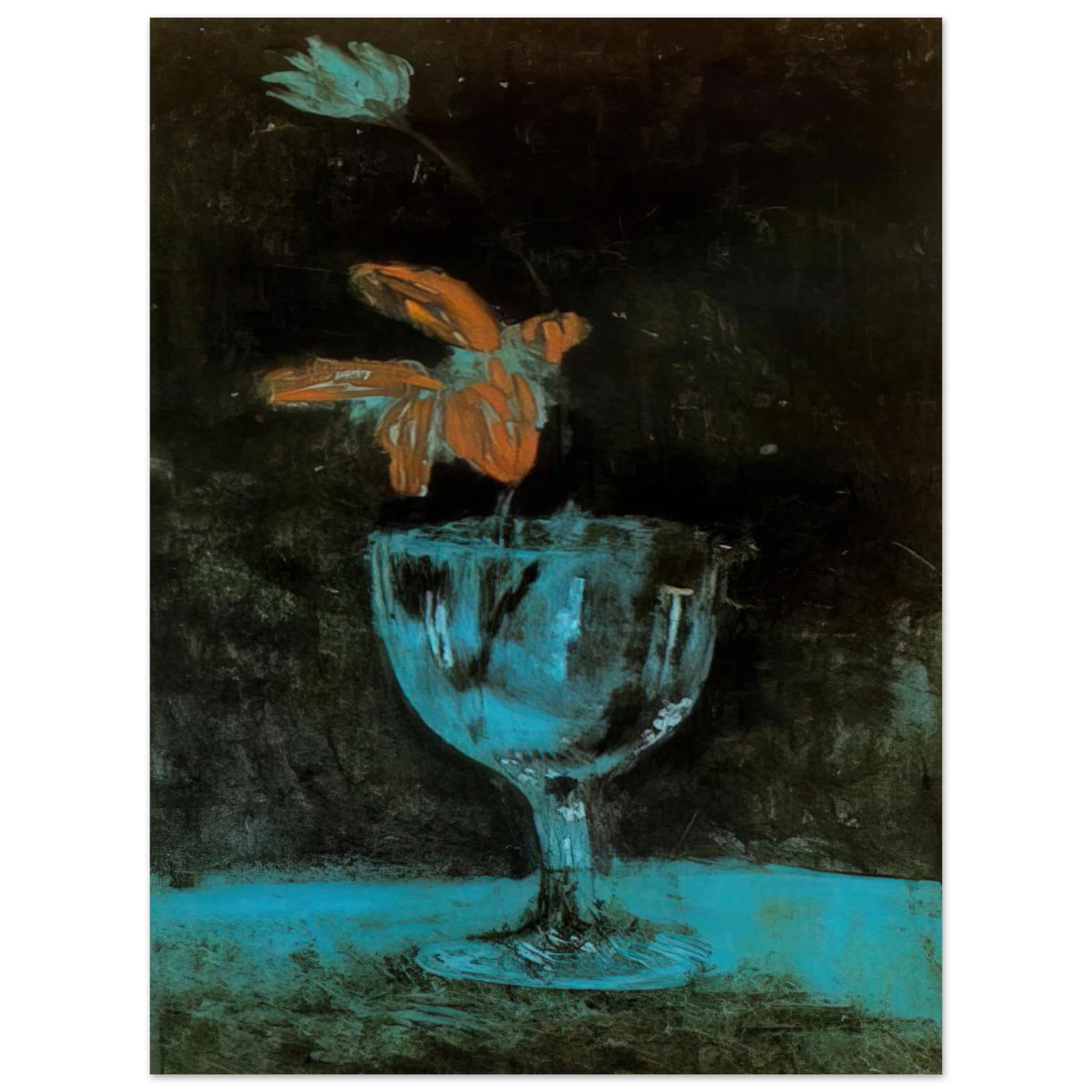
Immerse yourself in the poignant beauty of Pablo Picasso's 'A Blue Vase' (1903), a seminal work from his Blue Period. This 75x100 cm (30x40 inches) fine art poster captures the melancholic elegance and emotional depth that defined Picasso's early 20th-century masterpieces. The composition, dominated by cool blue tones, reflects the artist's exploration of human suffering and introspection, making it a timeless addition to any art collection.
RedKalion presents this archival reproduction on our exclusive Master's Edition archival paper, ensuring museum-quality fidelity to the original's subtle hues and textures. The matte, uncoated finish in a natural white shade enhances the artwork's luxurious presence, while the 250 gsm (110 lb) weight and 0.29 mm thickness provide a substantial, gallery-worthy feel. Crafted from acid-free, FSC-certified materials, this print is designed to resist yellowing and endure for generations, aligning with our commitment to sustainability and premium craftsmanship.
Elevate your space with a piece that bridges art history and modern elegance—each print is produced on demand, guaranteeing individual attention and quality without minimum orders.
Discover Unlimited Art Possibilities
At RedKalion, you can find virtually any artwork from any artist, available in a wide range of sizes to perfectly match your space.
If you didn’t find what you’re looking for, contact us at support@redkalion.com . We will source any artwork and produce it in any size and format you need, including art prints, posters, canvas, framed pieces, framed canvas, and more.
For dedicated art enthusiasts, we also offer handcrafted replicas of any artwork, carefully painted by highly skilled artists using traditional techniques.
For custom requests, contact us at support@redkalion.com .
What are the dimensions of this Pablo Picasso fine art print?
This museum-quality reproduction measures 75x100 cm (30x40 inches), perfect for standard framing and display in homes or offices.
What type of paper is used for this archival print?
It's printed on Master's Edition archival paper, a museum-quality, acid-free material with a matte, uncoated finish in natural white for a luxurious texture.
How durable is this fine art poster against fading or yellowing?
With acid-free properties (pH above 7) and FSC-certified sustainability, this print is designed to prevent yellowing and maintain its vibrant blue tones over time.
What is the weight and thickness of the paper for this Picasso reproduction?
The paper is 250 gsm (110 lb) in weight and 0.29 mm (11.4 mils) thick, offering a substantial, premium feel ideal for framing.
How does the on-demand printing and shipping process work?
RedKalion prints and ships each order individually with no minimums, ensuring personalized quality and careful handling for your fine art poster.
Why is Picasso's 'A Blue Vase' significant in art history?
Created in 1903 during Picasso's Blue Period, this work exemplifies his use of monochromatic blue tones to convey themes of melancholy and human emotion, marking a key phase in modern art.
What details in 'A Blue Vase' highlight Picasso's technique from this era?
The painting showcases Picasso's mastery of subdued color palettes and expressive brushwork, emphasizing form and mood over realism, characteristic of his early 20th-century style.