

RedKalion
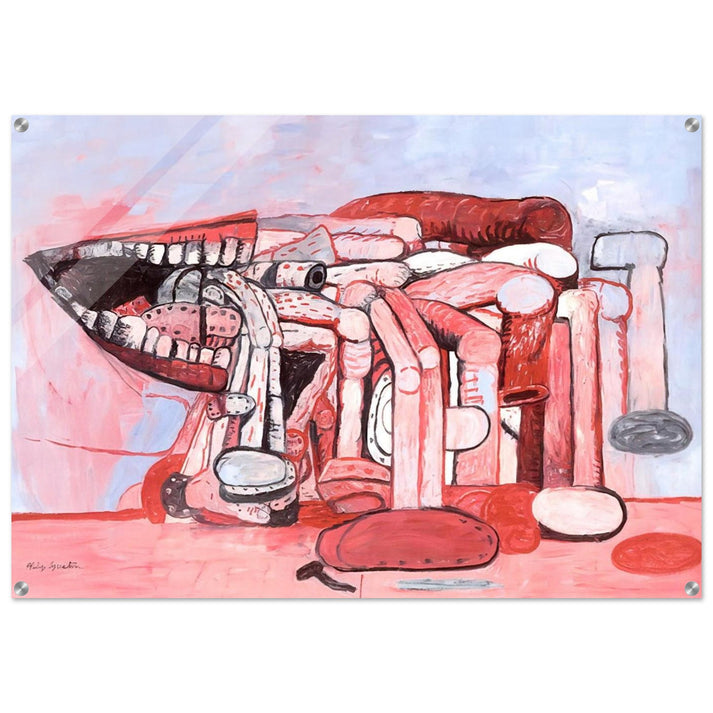
PAINTER S FORMS NO 2 1978 - Philip Guston Acrylic Print - 70x100 cm / 28x40″ inches | Philip Guston Wall Art | Philip Guston Prints
PAINTER S FORMS NO 2 1978 - Philip Guston Acrylic Print - 70x100 cm / 28x40″ inches | Philip Guston Wall Art | Philip Guston Prints
Couldn't load pickup availability
Philip Guston's PAINTER S FORMS NO 2 1978: A Late-Career Masterpiece
Immerse yourself in the bold, enigmatic world of Philip Guston with this museum-quality acrylic print of PAINTER S FORMS NO 2 1978. This iconic work captures Guston's radical return to figurative painting in the 1970s, blending abstraction with haunting, cartoon-like forms that challenge artistic conventions. The piece reflects his profound exploration of memory, politics, and the artist's studio, rendered in his signature palette of pinks, reds, and grays that evoke both whimsy and existential depth.
RedKalion presents this archival-grade reproduction on premium 4mm (0.15") acrylic, ensuring vibrant color saturation and a sleek, durable finish that resists fading. With straight-cut corners for a modern aesthetic and transparent backgrounds optimized to white, this print measures 70x100 cm (28x40 inches), making it a statement piece for contemporary interiors. Each order includes a complete hanging kit—hardware, screws, and pre-drilled holes at each corner (14mm from the edge, 8mm diameter)—for effortless gallery-style installation.
Elevate your space with a fine art print that bridges historical significance and cutting-edge presentation, backed by RedKalion's commitment to archival excellence.


Discover Unlimited Art Possibilities
At RedKalion, you can find virtually any artwork from any artist, available in a wide range of sizes to perfectly match your space.
If you didn’t find what you’re looking for, contact us at support@redkalion.com . We will source any artwork and produce it in any size and format you need, including art prints, posters, canvas, framed pieces, framed canvas, and more.
For dedicated art enthusiasts, we also offer handcrafted replicas of any artwork, carefully painted by highly skilled artists using traditional techniques.
For custom requests, contact us at support@redkalion.com .
What is the historical significance of PAINTER S FORMS NO 2 1978 by Philip Guston?
This 1978 artwork marks Guston's late-career shift to figurative painting, blending abstract expressionism with symbolic forms to critique art and society, making it a key piece for collectors of modern American art prints.
What materials are used in this Philip Guston acrylic print?
It features a 4mm (0.15") acrylic face for vibrant color and durability, with straight-cut corners and a white-optimized background, ensuring a premium museum-quality reproduction for your wall art collection.
How is this fine art print shipped and installed?
It includes a hanging kit with hardware, screws, and pre-drilled holes (14mm from edges, 8mm diameter) for easy mounting, shipped securely to protect this archival-grade Philip Guston print.
What are the dimensions of this Philip Guston wall art?
It measures 70x100 cm (28x40 inches), ideal for creating a focal point in living rooms or offices with this large-format acrylic print.
How durable and archival is this acrylic print?
Made with fade-resistant materials, it offers long-lasting vibrancy, making it a trusted choice for preserving Guston's artistic legacy in your home decor.
What inspired the forms in Guston's PAINTER S FORMS NO 2?
Guston drew from personal and political imagery, using cartoon-like shapes to explore themes of guilt and creativity, adding depth to this iconic art print.
Why did Guston return to figurative painting in the 1970s?
He sought to address social issues and artistic authenticity, moving from abstraction to symbolic forms that define his late-period masterpieces like this one.