

RedKalion
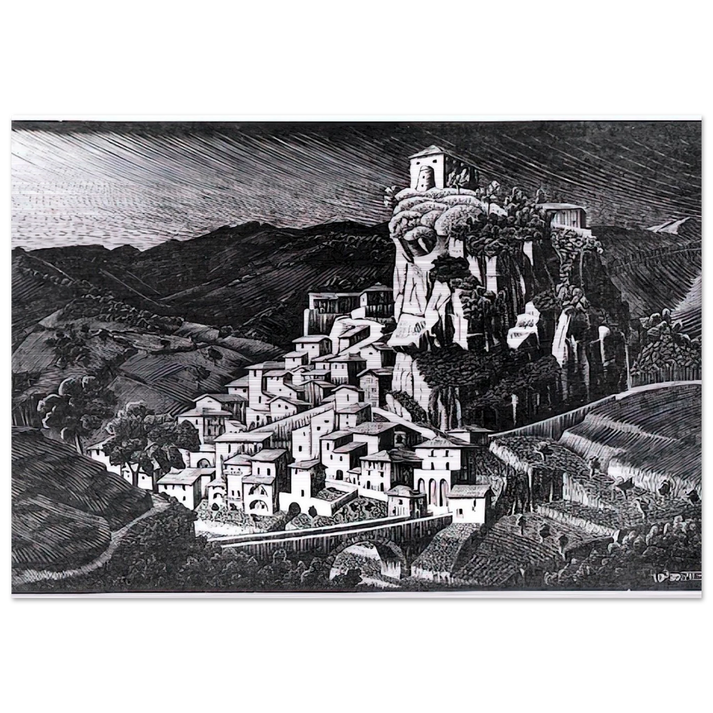
PALIZZI CALABRIA OCTOBER 1930 1930 - MC Escher Brushed Aluminum Print - 70x100 cm / 28x40 inches | MC Escher Aluminum Print | MC Escher Prints | Maurits Cornelis Escher Prints
PALIZZI CALABRIA OCTOBER 1930 1930 - MC Escher Brushed Aluminum Print - 70x100 cm / 28x40 inches | MC Escher Aluminum Print | MC Escher Prints | Maurits Cornelis Escher Prints
Couldn't load pickup availability
PALIZZI CALABRIA OCTOBER 1930 1930 - MC Escher Brushed Aluminum Print
Immerse yourself in the geometric precision of Maurits Cornelis Escher with this museum-quality reproduction of Palizzi Calabria October 1930 1930. This fine art print captures Escher's early exploration of Italian landscapes, blending mathematical rigor with natural beauty—a testament to his transition from realism to the optical illusions that defined his legacy. The 70x100 cm (28x40 inches) format showcases intricate details, making it a captivating centerpiece for modern interiors.
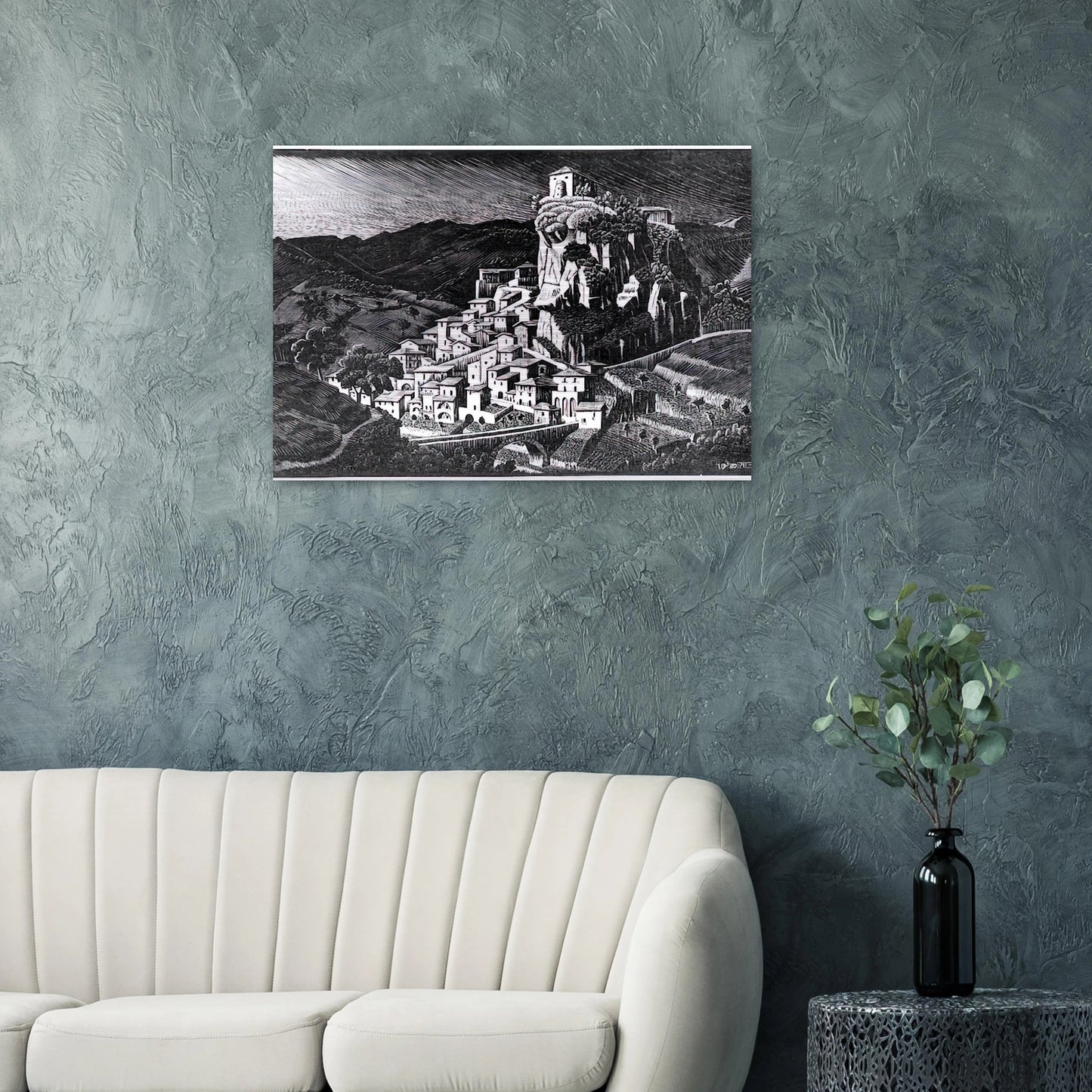
RedKalion presents this archival masterpiece on premium Brushed silver Aluminum DIBOND®, featuring a 3mm thickness for durability and a horizontal grain that adds dynamic texture. Direct printing ensures vivid colors and a matte, glare-free finish, while unprinted areas reveal a striking metallic silver effect. Elevate your space with a piece that combines historical artistry with contemporary resilience, backed by our commitment to excellence.
- Dimensions: 70x100 cm / 28x40 inches
- Material: Brushed silver Aluminum DIBOND® with metallic finish
- Thickness: 3mm (0.12") rigid base
- Printing: Direct print for vivid colors and matte finish
- Included: Hanging kit (varies by country)


Discover Unlimited Art Possibilities
At RedKalion, you can find virtually any artwork from any artist, available in a wide range of sizes to perfectly match your space.
If you didn’t find what you’re looking for, contact us at support@redkalion.com . We will source any artwork and produce it in any size and format you need, including art prints, posters, canvas, framed pieces, framed canvas, and more.
For dedicated art enthusiasts, we also offer handcrafted replicas of any artwork, carefully painted by highly skilled artists using traditional techniques.
For custom requests, contact us at support@redkalion.com .
What is the historical significance of MC Escher's Palizzi Calabria October 1930 1930?
This artwork marks Escher's early 1930s Italian period, blending realistic landscapes with geometric precision, foreshadowing his later optical illusions and mathematical art themes.
What are the specifications of this MC Escher aluminum print?
It measures 70x100 cm (28x40 inches), made from 3mm thick Brushed silver Aluminum DIBOND® with a direct print for vivid colors and a matte, glare-free finish.
How does the brushed aluminum enhance this fine art print?
The brushed silver finish adds a dynamic metallic effect, with horizontal grain and unprinted areas revealing silver, ideal for black-and-white designs like Escher's work.
Is a hanging kit included with this museum-quality reproduction?
Yes, a hanging kit is included, though specific components may vary by fulfillment country to ensure secure installation.
How durable and archival is this MC Escher print on aluminum?
Made with Aluminum DIBOND®, it offers excellent durability and archival longevity, resistant to fading and damage for lasting display.
What inspired MC Escher during his time in Calabria in 1930?
Escher was inspired by the rugged Italian landscapes, which he depicted with meticulous detail, blending natural forms with emerging geometric interests.
Why is the matte finish ideal for this black-and-white design?
The matte, glare-free finish minimizes reflections, enhancing contrast and clarity in Escher's intricate black-and-white compositions for optimal viewing.