RedKalion
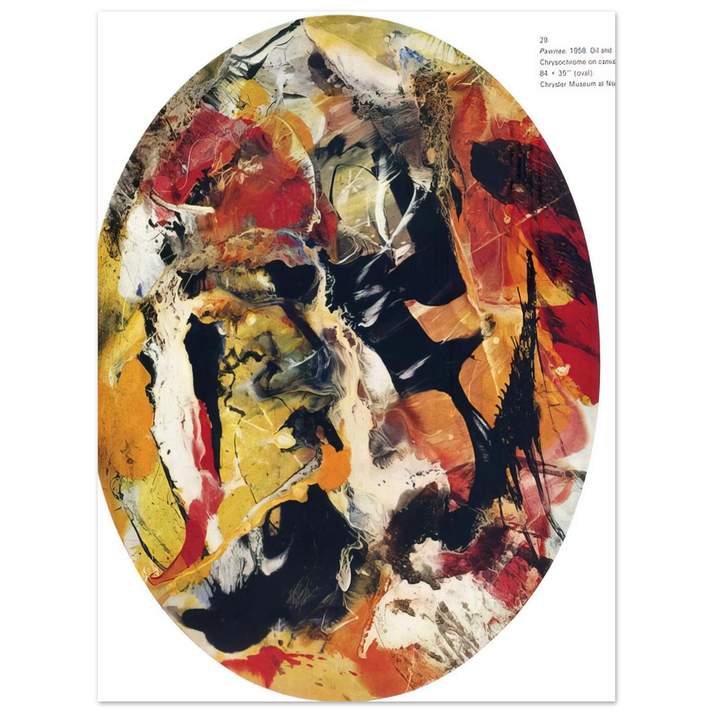
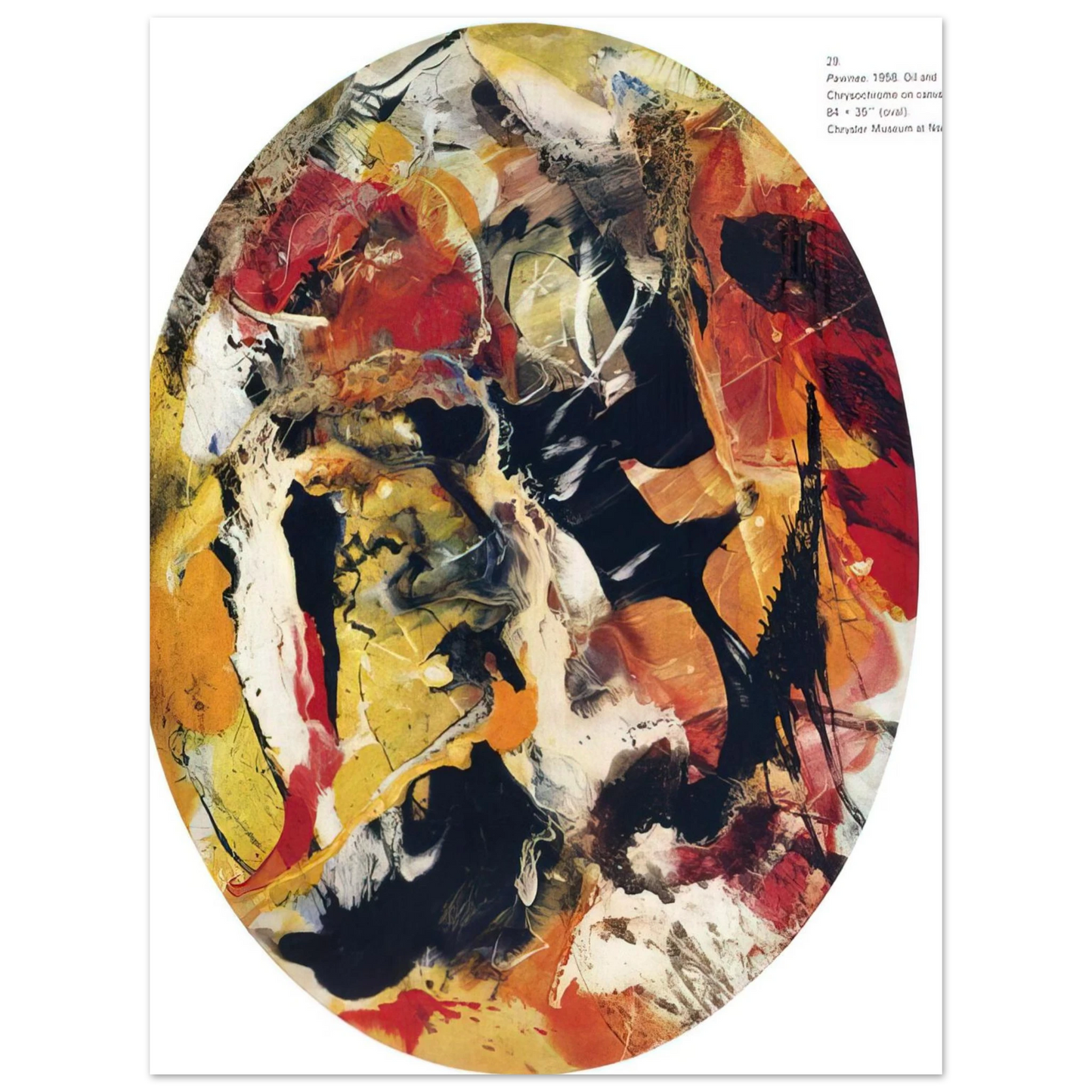
Paul Jenkins - Pawnee - 1958 75x100 cm / 30x40inches Fine Art Poster
Paul Jenkins - Pawnee - 1958 75x100 cm / 30x40inches Fine Art Poster
Couldn't load pickup availability
Paul Jenkins - Pawnee - 1958 Fine Art Print
Immerse yourself in the vibrant, abstract expressionism of Paul Jenkins with this museum-quality reproduction of "Pawnee" (1958). Measuring 75x100 cm (30x40 inches), this fine art poster captures the dynamic energy and fluid color washes that defined Jenkins' pioneering pour technique. Created during a pivotal era in American art, this piece reflects the artist's fascination with spontaneity and the subconscious, evoking a sense of movement and emotional depth that transforms any space.
RedKalion presents this archival masterpiece on Master's Edition paper, ensuring a luxurious matte finish with a natural white (off-white) hue that enhances the artwork's rich tones. The acid-free (pH above 7), FSC-certified paper at 250 gsm (110 lb) and 0.29 mm (11.4 mils) thickness guarantees durability and prevents yellowing, making it a sustainable heirloom for discerning collectors. Printed and shipped on demand with no minimum orders, this reproduction upholds our commitment to curating world-class, archival-grade art.
Elevate your home or office with a piece that bridges historical significance and contemporary elegance. Paul Jenkins' "Pawnee" is more than a print—it's a testament to artistic innovation, offered through RedKalion's trusted expertise in premium reproductions.
Discover Unlimited Art Possibilities
At RedKalion, you can find virtually any artwork from any artist, available in a wide range of sizes to perfectly match your space.
If you didn’t find what you’re looking for, contact us at support@redkalion.com . We will source any artwork and produce it in any size and format you need, including art prints, posters, canvas, framed pieces, framed canvas, and more.
For dedicated art enthusiasts, we also offer handcrafted replicas of any artwork, carefully painted by highly skilled artists using traditional techniques.
For custom requests, contact us at support@redkalion.com .
What are the dimensions of the Paul Jenkins - Pawnee print?
This fine art poster measures 75x100 cm (30x40 inches), ideal for standard framing and display in various settings.
What type of paper is used for this museum-quality reproduction?
It's printed on Master's Edition archival paper with a matte, uncoated finish and natural white (off-white) color for a luxurious texture and enhanced durability.
How is the print shipped, and are there minimum order requirements?
We offer on-demand printing and shipping with no minimum orders, ensuring timely delivery of your archival art print directly to your door.
What makes this print archival and long-lasting?
The acid-free paper (pH above 7) prevents yellowing over time, and its 250 gsm (110 lb) weight and 0.29 mm (11.4 mils) thickness ensure it resists wear, making it a sustainable FSC-certified choice.
Can you tell me more about Paul Jenkins and the significance of "Pawnee" from 1958?
Paul Jenkins was a key figure in abstract expressionism, known for his pour technique that emphasized spontaneity. "Pawnee" from 1958 reflects his exploration of color and form during a transformative period in American art, evoking emotional depth through fluid washes.
What artistic techniques did Paul Jenkins use in creating "Pawnee"?
Jenkins employed a unique pour technique, allowing pigments to flow and blend on the canvas, creating dynamic, abstract forms that capture movement and subconscious expression in this 1958 masterpiece.