

RedKalion
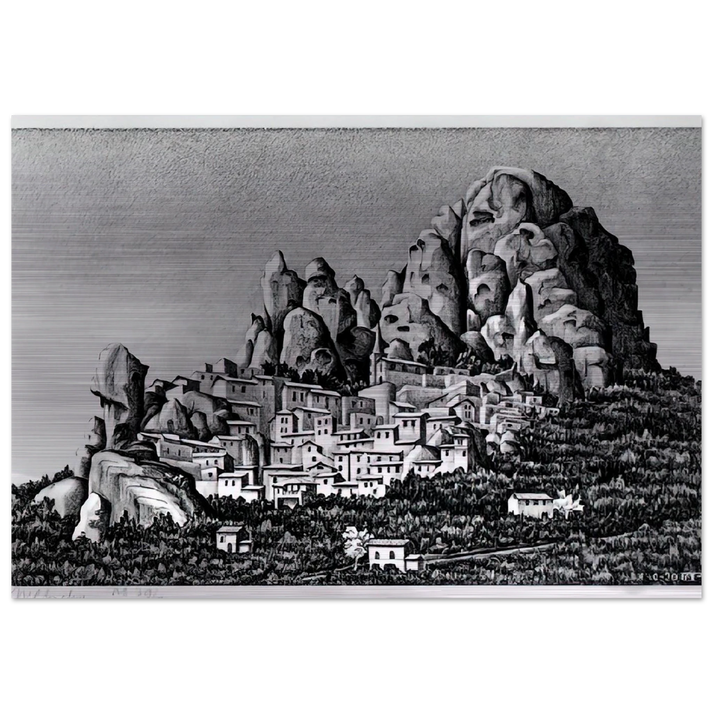
PENTEDATTIO CALABRIA OCTOBER 1930 1930 - MC Escher Brushed Aluminum Print - 70x100 cm / 28x40 inches | MC Escher Aluminum Print | MC Escher Prints | Maurits Cornelis Escher Prints
PENTEDATTIO CALABRIA OCTOBER 1930 1930 - MC Escher Brushed Aluminum Print - 70x100 cm / 28x40 inches | MC Escher Aluminum Print | MC Escher Prints | Maurits Cornelis Escher Prints
Couldn't load pickup availability
Pentedattio Calabria October 1930 1930 - MC Escher Brushed Aluminum Print
Immerse yourself in the surreal vision of Maurits Cornelis Escher with this museum-quality reproduction of Pentedattio Calabria October 1930 1930. Created during Escher's transformative Italian period, this artwork captures the rugged, geometric beauty of the Calabrian landscape, foreshadowing the mathematical precision that would define his later masterpieces. This fine art print on brushed aluminum elevates Escher's intricate black-and-white design with a contemporary, archival-grade presentation.
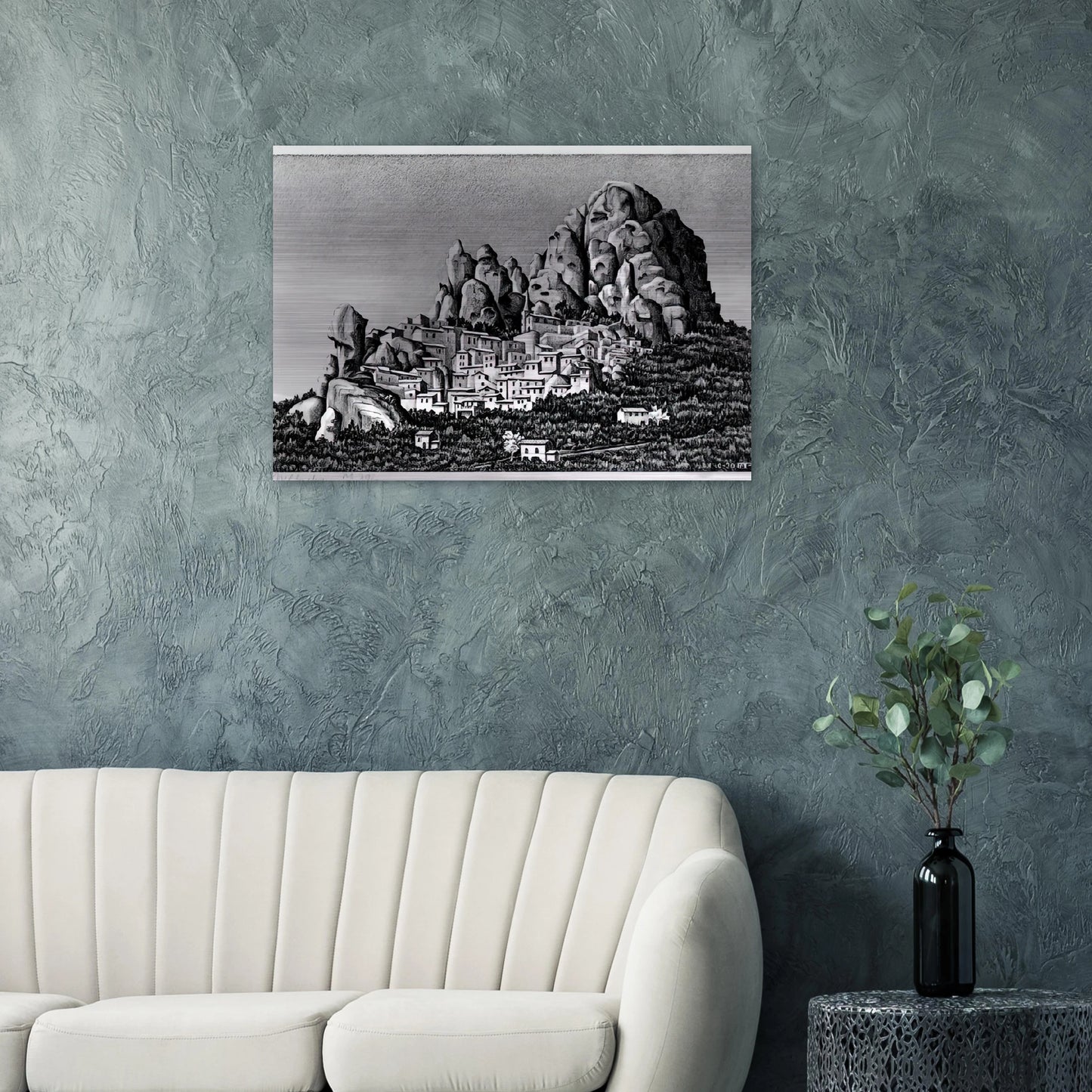
RedKalion's premium MC Escher aluminum print is crafted on 3mm thick Brushed silver Aluminum DIBOND®, featuring a metallic finish with a horizontal grain that adds dynamic texture. The direct print on AluDibond ensures vivid, lasting colors and a matte, glare-free finish, while unprinted white areas reveal a striking metallic silver effect, enhancing the artwork's contrast and depth. Measuring 70x100 cm (28x40 inches), this piece includes a hanging kit for seamless display.
Elevate your space with an archival masterpiece that endures, blending Escher's historical artistry with modern durability. Trust RedKalion for museum-quality reproductions that honor artistic legacy.


Discover Unlimited Art Possibilities
At RedKalion, you can find virtually any artwork from any artist, available in a wide range of sizes to perfectly match your space.
If you didn’t find what you’re looking for, contact us at support@redkalion.com . We will source any artwork and produce it in any size and format you need, including art prints, posters, canvas, framed pieces, framed canvas, and more.
For dedicated art enthusiasts, we also offer handcrafted replicas of any artwork, carefully painted by highly skilled artists using traditional techniques.
For custom requests, contact us at support@redkalion.com .
What is the historical significance of MC Escher's Pentedattio Calabria October 1930 1930?
This artwork from 1930 reflects Escher's early Italian period, capturing Calabria's rugged terrain with geometric precision that foreshadowed his later mathematical explorations in art, making it a key piece for fine art print collectors.
How does the brushed aluminum enhance this MC Escher print?
The brushed silver Aluminum DIBOND® with a metallic finish and horizontal grain adds dynamic texture, while unprinted white areas reveal a metallic silver effect, ideal for black-and-white designs like this museum-quality reproduction.
What are the specifications of this aluminum print?
It measures 70x100 cm (28x40 inches), is 3mm thick for durability, and features a direct print on AluDibond with a matte, glare-free finish, perfect for vivid colors in this archival-grade fine art print.
Is a hanging kit included with this MC Escher aluminum print?
Yes, a hanging kit is included; it varies by fulfillment country to ensure secure installation of this premium Maurits Cornelis Escher print.
How durable and archival is this brushed aluminum print?
Made with 3mm thick Aluminum DIBOND®, it offers long-lasting durability and resistance to fading, making it a museum-quality reproduction for enduring display.
What makes this print ideal for black-and-white artwork?
The matte, glare-free finish and metallic silver effect in unprinted areas enhance contrast and depth, optimizing it for Escher's intricate designs in this fine art print.
Can I learn more about Escher's technique in this piece?
Escher used precise line work and geometric patterns in this 1930 work, blending realism with abstraction, a technique highlighted in this archival-grade reproduction from RedKalion.