

RedKalion
Phenomena Calling - 1969 - Paul Jenkins Brushed Aluminum Print - 70x100 cm / 28x40 inches | Paul Jenkins Aluminum Print | Paul Jenkins Prints
Phenomena Calling - 1969 - Paul Jenkins Brushed Aluminum Print - 70x100 cm / 28x40 inches | Paul Jenkins Aluminum Print | Paul Jenkins Prints
Couldn't load pickup availability
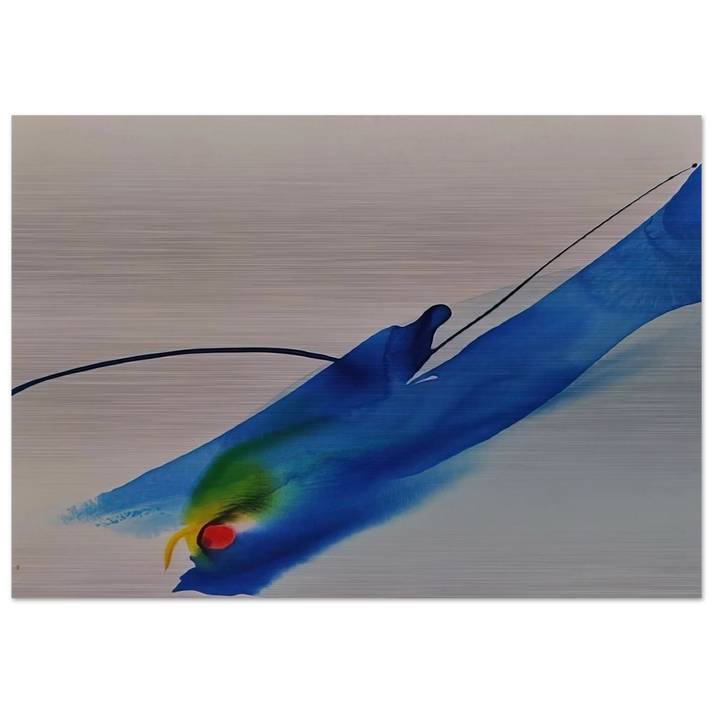
Phenomena Calling (1969) by Paul Jenkins
Immerse yourself in the abstract expressionist brilliance of Paul Jenkins with this museum-quality reproduction of Phenomena Calling, created in 1969. This piece exemplifies Jenkins' pioneering "phenomena" series, where he masterfully poured and manipulated acrylic paints to evoke ethereal, fluid forms that dance between chaos and harmony. The artwork captures a moment of dynamic energy, with swirling colors and organic shapes that invite contemplation and inspire a sense of wonder. As a leading figure in post-war American art, Jenkins' technique broke from traditional brushwork, using chance and control to create luminous, atmospheric compositions that resonate with emotional depth.
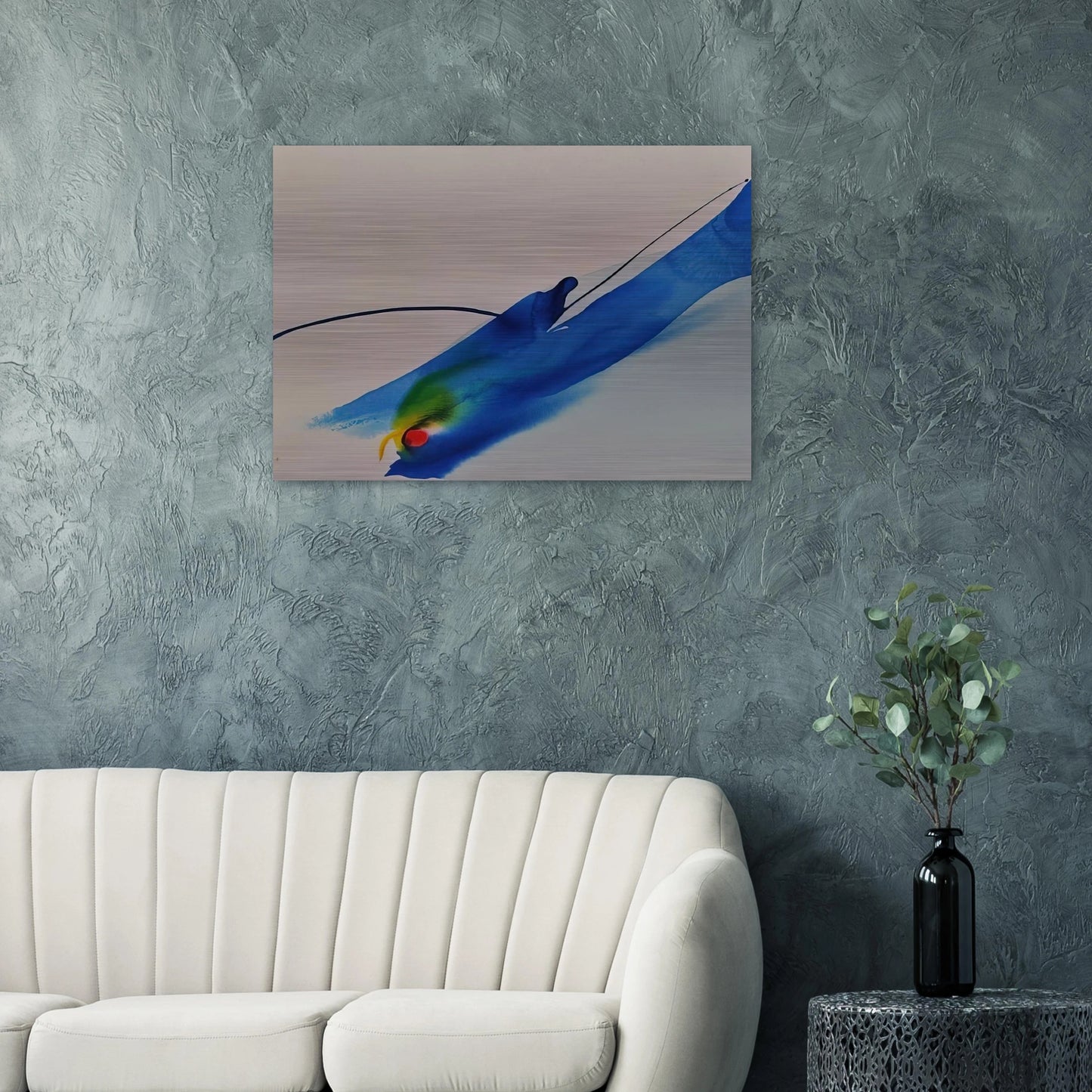
RedKalion presents this archival-grade print on brushed silver Aluminum DIBOND®, a premium material that enhances the artwork's visual impact. The 3mm (0.12") thick base ensures durability and a rigid, gallery-ready presentation. Printed directly onto the aluminum, this reproduction delivers vivid, fade-resistant colors with a matte, glare-free finish. Unprinted areas reveal a striking metallic silver effect, adding a contemporary edge that complements both modern and classic interiors. Measuring 70x100 cm (28x40 inches), this piece is ideal for statement walls in living rooms, offices, or creative spaces.
Elevate your environment with a fine art print that combines historical significance with cutting-edge craftsmanship. Trust RedKalion for expertly curated reproductions that honor artistic legacy while offering lasting beauty. Each print includes a hanging kit for easy installation, tailored to your fulfillment location.


Discover Unlimited Art Possibilities
At RedKalion, you can find virtually any artwork from any artist, available in a wide range of sizes to perfectly match your space.
If you didn’t find what you’re looking for, contact us at support@redkalion.com . We will source any artwork and produce it in any size and format you need, including art prints, posters, canvas, framed pieces, framed canvas, and more.
For dedicated art enthusiasts, we also offer handcrafted replicas of any artwork, carefully painted by highly skilled artists using traditional techniques.
For custom requests, contact us at support@redkalion.com .
What is the historical significance of Phenomena Calling by Paul Jenkins?
Phenomena Calling, created in 1969, is part of Paul Jenkins' iconic "phenomena" series, showcasing his abstract expressionist technique of pouring acrylics to create fluid, luminous forms that explore chance and emotion in post-war American art.
What materials are used for this Paul Jenkins aluminum print?
This museum-quality reproduction is printed on brushed silver Aluminum DIBOND® with a 3mm thickness, offering a durable, rigid base and a matte finish that enhances colors and reveals a metallic silver effect in unprinted areas.
How does the printing process ensure vivid colors and longevity?
Using direct print technology on AluDibond, this fine art print delivers fade-resistant, vivid colors with a glare-free matte finish, ideal for archival display and preserving the artwork's dynamic look.
What are the dimensions and hanging details for this print?
Measuring 70x100 cm (28x40 inches), this Paul Jenkins print includes a hanging kit for easy installation, with specifics varying by fulfillment country to ensure secure display.
Is this print suitable for black-and-white or colorful interiors?
With its matte finish and brushed silver metallic effect, this aluminum print is versatile, ideal for both black-and-white designs and vibrant spaces, adding a striking, contemporary art element.
How did Paul Jenkins' technique influence abstract expressionism?
Paul Jenkins revolutionized abstract expressionism by eschewing brushes for poured acrylics, creating spontaneous, ethereal "phenomena" that blend control and accident, influencing later color field and lyrical abstraction movements.
What makes the metallic silver effect in this print unique?
The unprinted white areas on the brushed aluminum reveal a dynamic metallic silver grain, adding depth and a modern, industrial aesthetic that complements the artwork's fluid forms.