


RedKalion
Phenomena Day of Zagorsk - 1966 - Paul Jenkins Acrylic Print - 70x100 cm / 28x40″ inches | Paul Jenkins Wall Art | Paul Jenkins Prints
Phenomena Day of Zagorsk - 1966 - Paul Jenkins Acrylic Print - 70x100 cm / 28x40″ inches | Paul Jenkins Wall Art | Paul Jenkins Prints
Couldn't load pickup availability
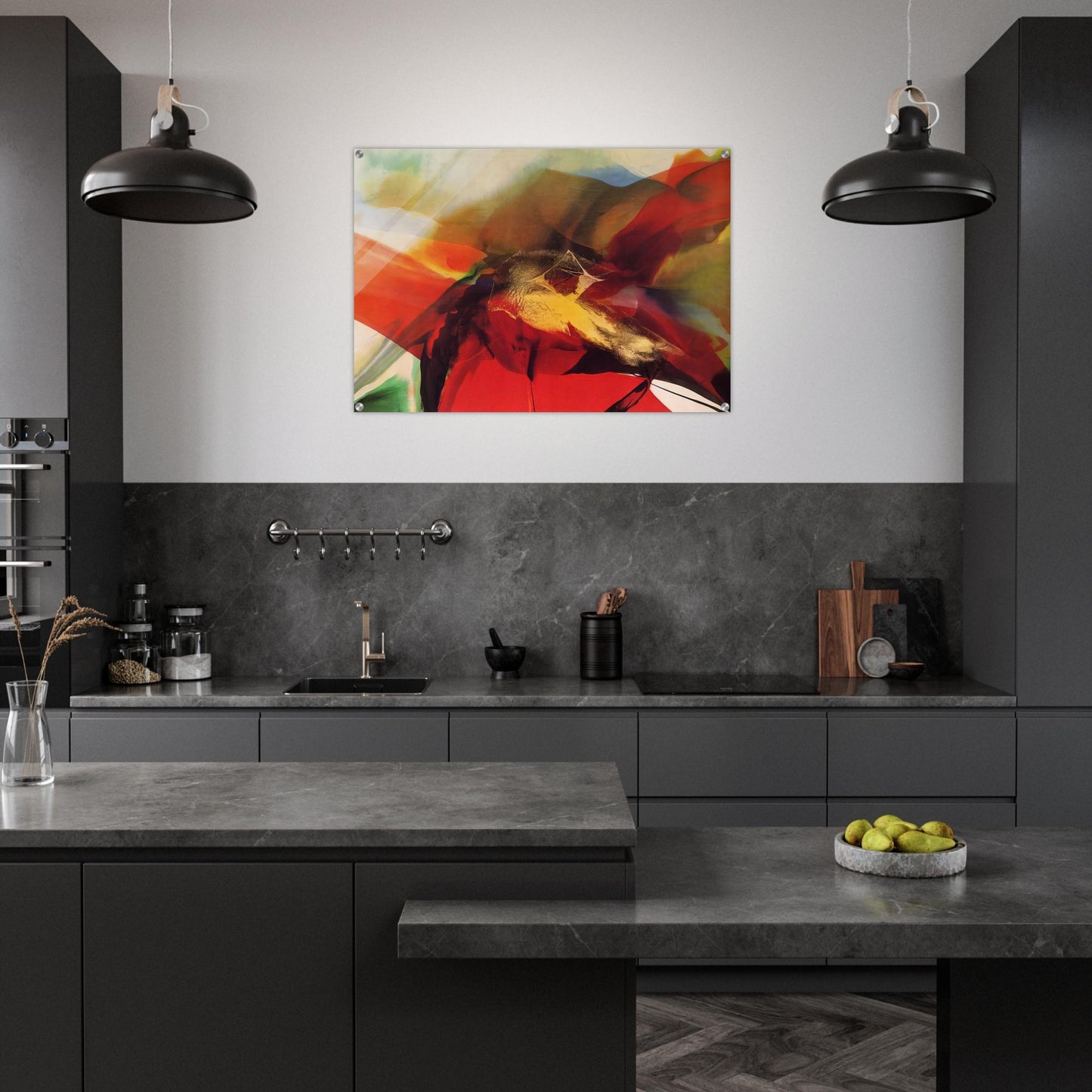
Phenomena Day of Zagorsk (1966) by Paul Jenkins
Immerse yourself in the vibrant, abstract expressionism of Paul Jenkins' Phenomena Day of Zagorsk, a 1966 masterpiece now available as a museum-quality acrylic print from RedKalion. This archival-grade reproduction captures every fluid brushstroke and luminous hue of Jenkins' pioneering acrylic technique, offering a window into the artist's exploration of color, light, and spiritual phenomena. Measuring 70x100 cm (28x40 inches), this print is meticulously crafted on 4mm acrylic with straight-cut corners for a sleek, modern aesthetic that elevates any contemporary space.
Jenkins, a key figure in the Abstract Expressionist movement, was renowned for his "phenomena" series, where he poured and manipulated acrylic paints to create ethereal, flowing compositions. Phenomena Day of Zagorsk reflects his fascination with Eastern spirituality and the transcendent power of color, evoking a sense of dynamic energy and serene contemplation. At RedKalion, we specialize in premium reproductions that honor such artistic legacy, ensuring each piece meets exacting standards for vibrancy and durability.
This print features a white background for optimal presentation, enhancing the artwork's vivid palette. It includes a complete hanging kit with hardware, screws, and pre-drilled holes (14mm from the edge, 8mm diameter) for effortless installation. Trust RedKalion to deliver a fine art print that combines historical significance with contemporary craftsmanship, perfect for collectors and design enthusiasts seeking enduring beauty.


Discover Unlimited Art Possibilities
At RedKalion, you can find virtually any artwork from any artist, available in a wide range of sizes to perfectly match your space.
If you didn’t find what you’re looking for, contact us at support@redkalion.com . We will source any artwork and produce it in any size and format you need, including art prints, posters, canvas, framed pieces, framed canvas, and more.
For dedicated art enthusiasts, we also offer handcrafted replicas of any artwork, carefully painted by highly skilled artists using traditional techniques.
For custom requests, contact us at support@redkalion.com .
What are the dimensions and material of this Paul Jenkins print?
This Paul Jenkins acrylic print measures 70x100 cm (28x40 inches) and is crafted on 4mm (0.15") acrylic for a vibrant, durable finish with straight-cut corners for a modern look.
How is the artwork presented on the acrylic print?
The print features a white background by default to optimize the presentation of Paul Jenkins' abstract composition, ensuring colors pop with museum-quality clarity.
What is included for hanging this fine art print?
A complete hanging kit is provided, including hardware, screws, and pre-drilled screw holes at each corner (14mm from edge, 8mm diameter) for easy installation.
Is this a museum-quality reproduction of Phenomena Day of Zagorsk?
Yes, RedKalion uses archival-grade materials and precise color matching to create a premium reproduction that honors Paul Jenkins' original 1966 acrylic painting.
How does RedKalion ensure the longevity of this art print?
Our prints are made with high-quality acrylic and archival techniques to resist fading, offering a durable wall art piece that endures for years.
What inspired Paul Jenkins' Phenomena series in the 1960s?
Paul Jenkins was inspired by Eastern spirituality and the fluid dynamics of acrylic paint, using pouring techniques to explore color and light as spiritual phenomena in abstract art.
Why is Phenomena Day of Zagorsk significant in abstract expressionism?
This 1966 work exemplifies Jenkins' innovative use of acrylics to create ethereal, flowing forms, marking a key contribution to the Abstract Expressionist movement's evolution.