

RedKalion
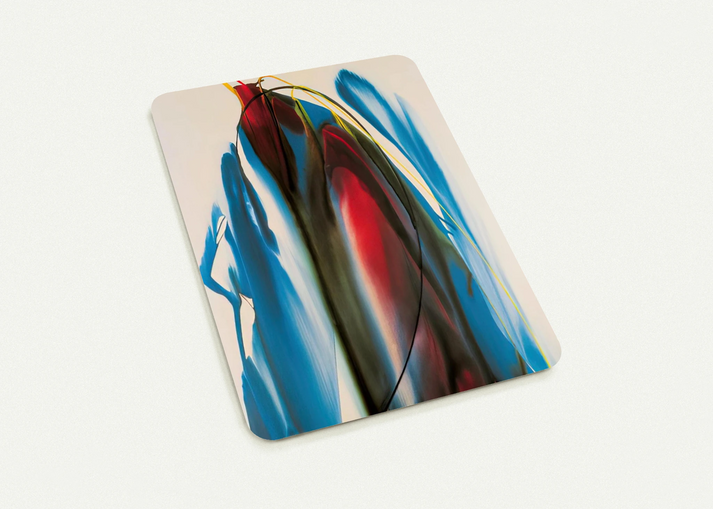
Phenomena Waiting Gables - 1965 By Paul Jenkins Pack of 10 Post Cards | Paul Jenkins Post Cards | A6 (10.5 x 14.8 cm) - 4.1 x 5.8 inches
Phenomena Waiting Gables - 1965 By Paul Jenkins Pack of 10 Post Cards | Paul Jenkins Post Cards | A6 (10.5 x 14.8 cm) - 4.1 x 5.8 inches
Couldn't load pickup availability
Phenomena Waiting Gables - 1965 by Paul Jenkins: A Pack of 10 Post Cards
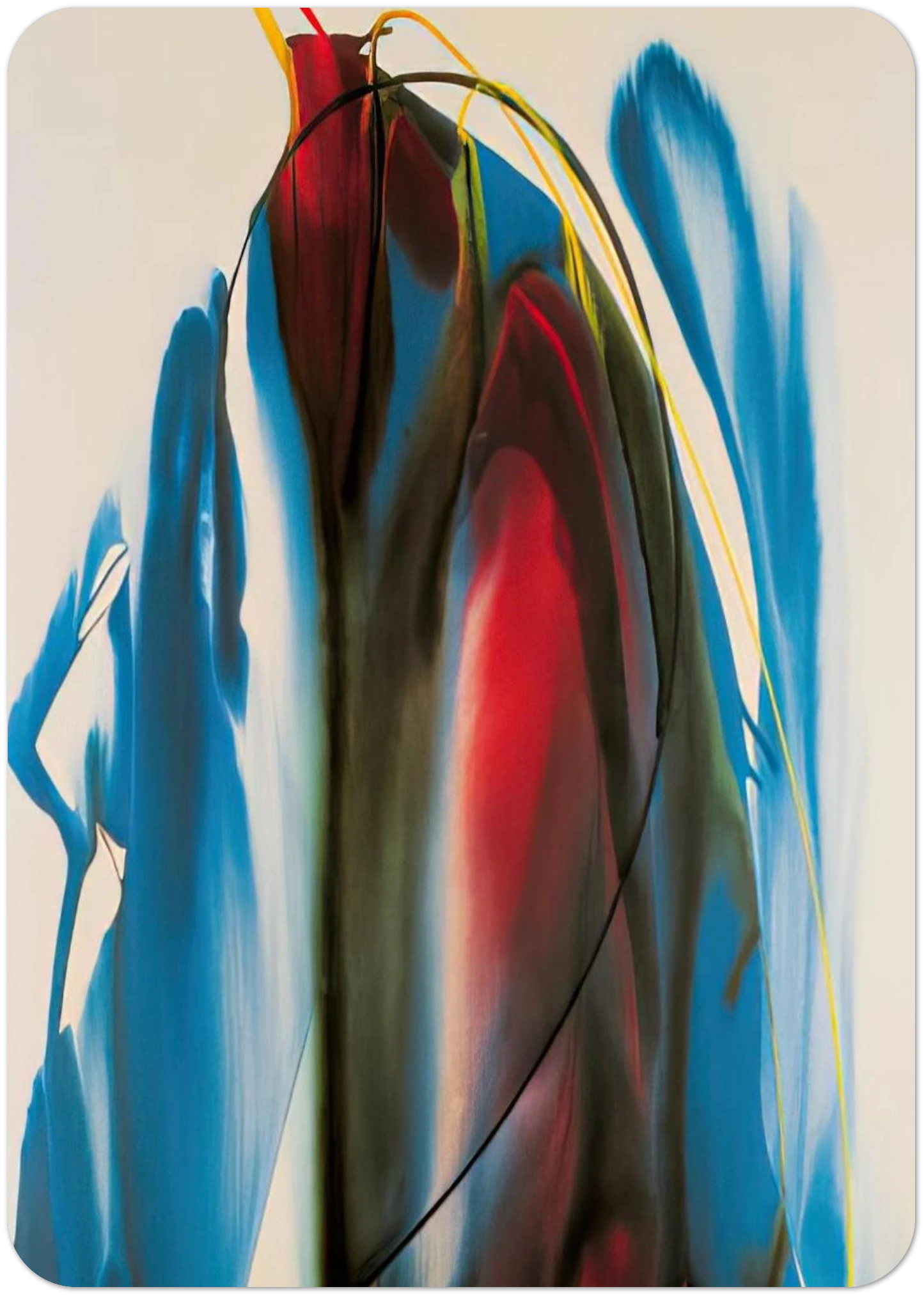
Capture the vibrant, abstract essence of Paul Jenkins' 1965 masterpiece, Phenomena Waiting Gables, with this premium pack of 10 post cards. This museum-quality reproduction brings Jenkins' iconic poured-paint technique to life, offering a portable piece of art history perfect for sharing or collecting.
Jenkins, a leading figure in Abstract Expressionism, pioneered a unique method of pouring and staining pigments onto canvas, creating fluid, ethereal compositions that evoke emotion and movement. Phenomena Waiting Gables exemplifies this approach, with its dynamic interplay of colors and forms that seem to dance across the surface. Our fine art print ensures every subtle nuance is preserved, allowing you to experience the artwork's original energy.
Each post card in this pack is crafted with archival-grade materials to ensure longevity and visual impact. Printed using our 12-color fine art printing technology, these reproductions deliver vivid, accurate colors with stunning depth, far surpassing standard 4-color inkjet prints. The smooth matte finish provides a clean, glare-free display, while the 200 gsm (80 lb) FSC-certified paper offers a substantial feel and eco-friendly quality. At A6 size (10.5 x 14.8 cm or 4.1 x 5.8 inches), these post cards are versatile for framing, mailing, or display.
Elevate your correspondence or decor with an archival masterpiece that endures. This pack of 10 post cards allows you to share Jenkins' visionary art with friends, family, or keep them as a curated collection for your own inspiration.


Discover Unlimited Art Possibilities
At RedKalion, you can find virtually any artwork from any artist, available in a wide range of sizes to perfectly match your space.
If you didn’t find what you’re looking for, contact us at support@redkalion.com . We will source any artwork and produce it in any size and format you need, including art prints, posters, canvas, framed pieces, framed canvas, and more.
For dedicated art enthusiasts, we also offer handcrafted replicas of any artwork, carefully painted by highly skilled artists using traditional techniques.
For custom requests, contact us at support@redkalion.com .
What is the artwork Phenomena Waiting Gables - 1965 by Paul Jenkins?
It is a 1965 abstract expressionist painting by Paul Jenkins, known for its poured-paint technique and vibrant colors, reproduced here as a pack of 10 post cards for sharing or collecting.
What are the specifications of these Paul Jenkins post cards?
Each post card is A6 size (10.5 x 14.8 cm or 4.1 x 5.8 inches), printed on 200 gsm (80 lb) FSC-certified paper with a smooth matte finish, using 12-color fine art printing for vivid colors.
How does the printing technology ensure color vibrancy in these fine art prints?
Our 12-color fine art printing delivers accurate, deep colors beyond standard 4-color inkjet, preserving the original artwork's vibrancy in these museum-quality reproductions.
Are these post cards eco-friendly and archival?
Yes, they are printed on FSC-certified paper, ensuring environmental responsibility, and the archival materials provide long-lasting durability for your art collection.
What is the shipping and ordering process for these post cards?
They are printed on demand with no minimum orders, and we offer reliable shipping to deliver your pack of 10 post cards promptly and securely.
What artistic technique did Paul Jenkins use in Phenomena Waiting Gables?
Jenkins used a poured-paint technique, staining pigments onto canvas to create fluid, abstract forms that define his abstract expressionist style in this 1965 work.
Why is Phenomena Waiting Gables significant in art history?
It represents Jenkins' innovative approach to color and form in the 1960s, contributing to the abstract expressionist movement with its emotional and dynamic composition.