
RedKalion
Philip Guston - ZONE 75x100 cm / 30x40inches Fine Art Poster
Philip Guston - ZONE 75x100 cm / 30x40inches Fine Art Poster
Couldn't load pickup availability
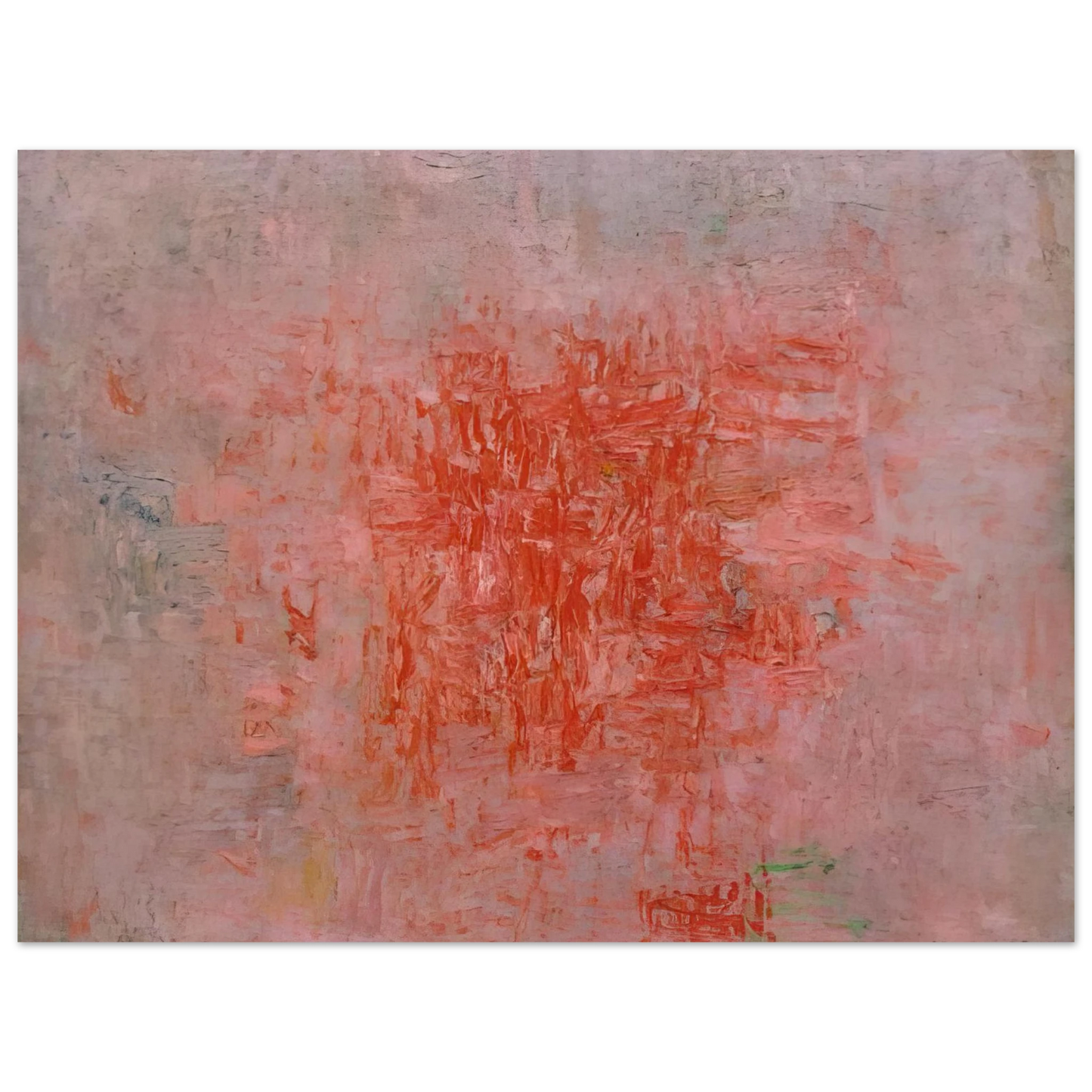
Philip Guston - ZONE: A Monumental Abstract Expressionist Masterpiece
Immerse yourself in the raw, contemplative power of Philip Guston's ZONE, now available as a museum-quality fine art print from RedKalion. This iconic work from the late 1960s captures Guston's pivotal transition from pure abstraction to his later figurative style, embodying the tension and introspection of the era. With its bold, gestural brushstrokes and enigmatic forms, ZONE evokes a profound sense of mystery and emotional depth, making it a captivating centerpiece for any sophisticated interior.
RedKalion presents this archival reproduction on our exclusive Master's Edition archival paper, ensuring every nuance of Guston's technique is preserved. The matte, uncoated finish in a natural white hue enhances the artwork's texture and luminosity, while the acid-free composition (pH above 7) guarantees it remains vibrant for generations. Crafted from FSC-certified paper with a substantial 250 gsm weight (0.29 mm thickness), this print offers a luxurious, gallery-ready presence.
Elevate your space with an archival masterpiece that endures, printed and shipped on demand with no minimum orders. Trust RedKalion for premium reproductions that honor artistic legacy.
Discover Unlimited Art Possibilities
At RedKalion, you can find virtually any artwork from any artist, available in a wide range of sizes to perfectly match your space.
If you didn’t find what you’re looking for, contact us at support@redkalion.com . We will source any artwork and produce it in any size and format you need, including art prints, posters, canvas, framed pieces, framed canvas, and more.
For dedicated art enthusiasts, we also offer handcrafted replicas of any artwork, carefully painted by highly skilled artists using traditional techniques.
For custom requests, contact us at support@redkalion.com .
What are the dimensions of this Philip Guston ZONE fine art print?
This museum-quality reproduction measures 75x100 cm (30x40 inches), perfect for creating a bold statement in any room.
What type of paper is used for this archival print?
It's printed on Master's Edition archival paper, a museum-quality, acid-free material with a matte, uncoated finish for a natural white look and luxurious texture.
How durable is this fine art poster, and will it yellow over time?
With acid-free paper (pH above 7) and FSC-certified sustainability, this print resists yellowing and maintains its vibrancy for decades, ensuring long-lasting quality.
What is the weight and thickness of the paper for this reproduction?
The paper is 250 gsm (110 lb) with a thickness of 0.29 mm (11.4 mils), providing a substantial, premium feel ideal for framing and display.
How does the on-demand printing and shipping process work?
RedKalion prints and ships each order individually with no minimums, ensuring fresh, high-quality reproductions delivered directly to you.
What is the historical significance of Philip Guston's ZONE artwork?
ZONE reflects Guston's late-1960s shift from abstraction to figurative elements, capturing the era's existential angst and marking a key moment in Abstract Expressionism.
Can you describe the artistic style and mood of ZONE in more detail?
This piece features bold, gestural brushstrokes and ambiguous forms, evoking a mood of mystery and introspection, typical of Guston's transitional period.