RedKalion
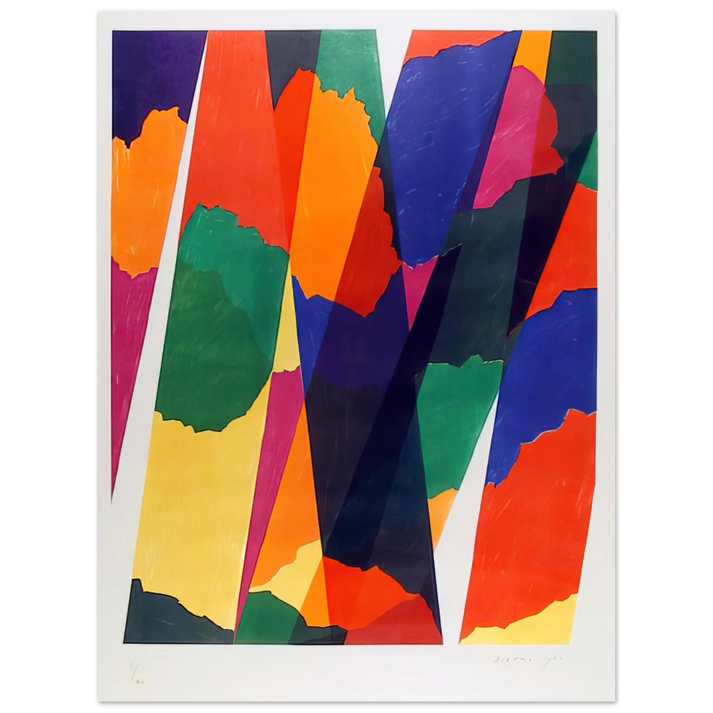
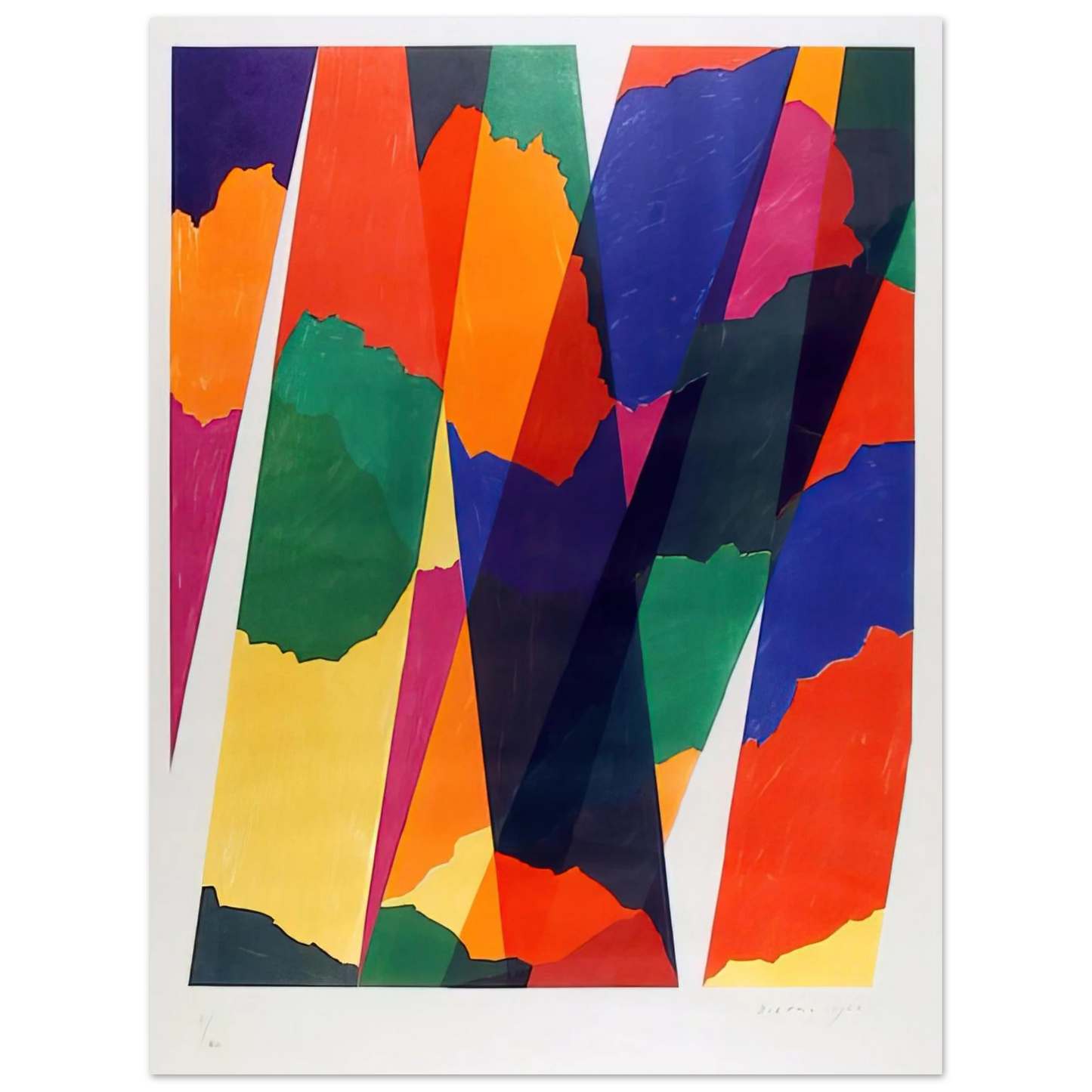
Piero Dorazio - Wait - Untitled XIX - 1968 75x100 cm / 30x40inches Fine Art Poster
Piero Dorazio - Wait - Untitled XIX - 1968 75x100 cm / 30x40inches Fine Art Poster
Couldn't load pickup availability
Piero Dorazio - Wait - Untitled XIX - 1968: A Vibrant Abstract Masterpiece
Immerse yourself in the dynamic energy of Piero Dorazio's Wait - Untitled XIX, a seminal work from 1968 that exemplifies the Italian artist's pioneering role in post-war abstract art. This fine art print captures the original's bold geometric forms and radiant color interplay, where intersecting lines and planes create a sense of rhythmic movement and optical depth. Dorazio, a key figure in the Arte Informale movement, masterfully blends hard-edge abstraction with lyrical spontaneity, inviting viewers into a contemplative yet exhilarating visual experience.
RedKalion presents this museum-quality reproduction on our exclusive Master's Edition archival paper, ensuring every detail—from the crisp edges to the vibrant hues—is preserved with unparalleled fidelity. The matte, uncoated finish in a natural white tone enhances the artwork's texture and luminosity, making it a sophisticated centerpiece for modern interiors. Measuring 75x100 cm (30x40 inches), this print is a statement piece that bridges historical significance with contemporary elegance.
- Paper Quality: Master's Edition archival paper, acid-free (pH above 7) to prevent yellowing, ensuring longevity for generations.
- Finish & Texture: Matte, uncoated surface with a natural white (off-white) hue, offering a luxurious, tactile feel.
- Durability: 250 gsm (110 lb) weight and 0.29 mm (11.4 mils) thickness for a substantial, gallery-worthy presence.
- Sustainability: FSC-certified paper, reflecting our commitment to eco-conscious art production.
- Convenience: Printed and shipped on demand with no minimum orders, allowing for personalized acquisition.
Elevate your space with an archival masterpiece that endures, backed by RedKalion's expertise in curating world-class reproductions. This piece not only honors Dorazio's legacy but also transforms any room into a sanctuary of artistic innovation.
Discover Unlimited Art Possibilities
At RedKalion, you can find virtually any artwork from any artist, available in a wide range of sizes to perfectly match your space.
If you didn’t find what you’re looking for, contact us at support@redkalion.com . We will source any artwork and produce it in any size and format you need, including art prints, posters, canvas, framed pieces, framed canvas, and more.
For dedicated art enthusiasts, we also offer handcrafted replicas of any artwork, carefully painted by highly skilled artists using traditional techniques.
For custom requests, contact us at support@redkalion.com .
What is the historical significance of Piero Dorazio's Wait - Untitled XIX from 1968?
This artwork is a key example of Dorazio's abstract geometric style from the 1960s, reflecting his influence in the Arte Informale movement and his exploration of color and form in post-war Italian art.
How does the color and composition in Wait - Untitled XIX create its visual impact?
The piece uses intersecting lines and vibrant color planes to generate optical depth and rhythmic movement, characteristic of Dorazio's hard-edge abstraction techniques.
What type of paper is used for this fine art print?
It's printed on Master's Edition archival paper, a museum-quality, acid-free material that ensures vibrant colors and prevents yellowing over time.
What are the dimensions and finish of this museum-quality reproduction?
The print measures 75x100 cm (30x40 inches) with a matte, uncoated finish in natural white for a luxurious texture and optimal display.
How durable and sustainable is this archival art print?
With 250 gsm weight, 0.29 mm thickness, and FSC-certified paper, it offers long-lasting durability and eco-friendly production for your collection.
What is the shipping and fulfillment process for this on-demand print?
We print and ship each order individually with no minimums, ensuring fresh, high-quality reproductions delivered directly to you.
How does the acid-free paper ensure the longevity of this abstract art print?
The pH above 7 in the archival paper prevents degradation and yellowing, preserving the artwork's vibrancy for decades as a lasting investment.