RedKalion
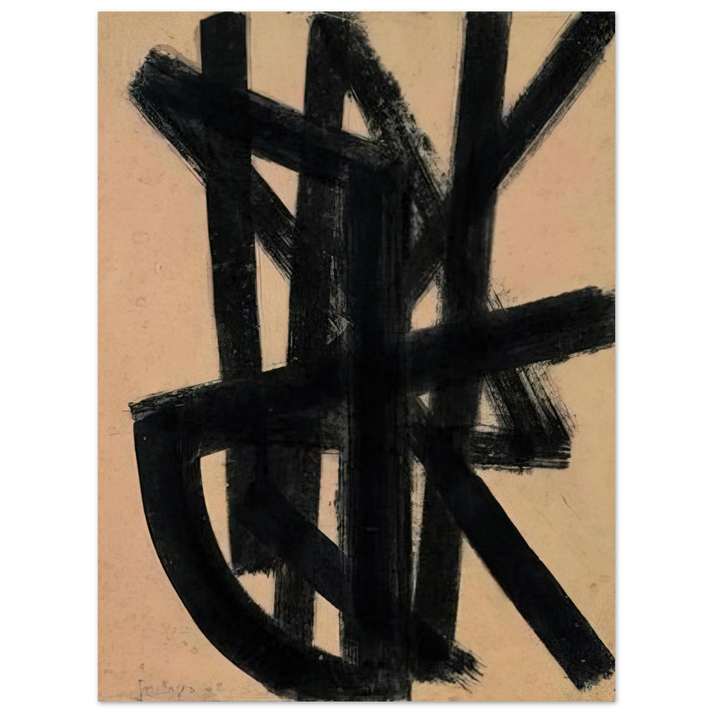
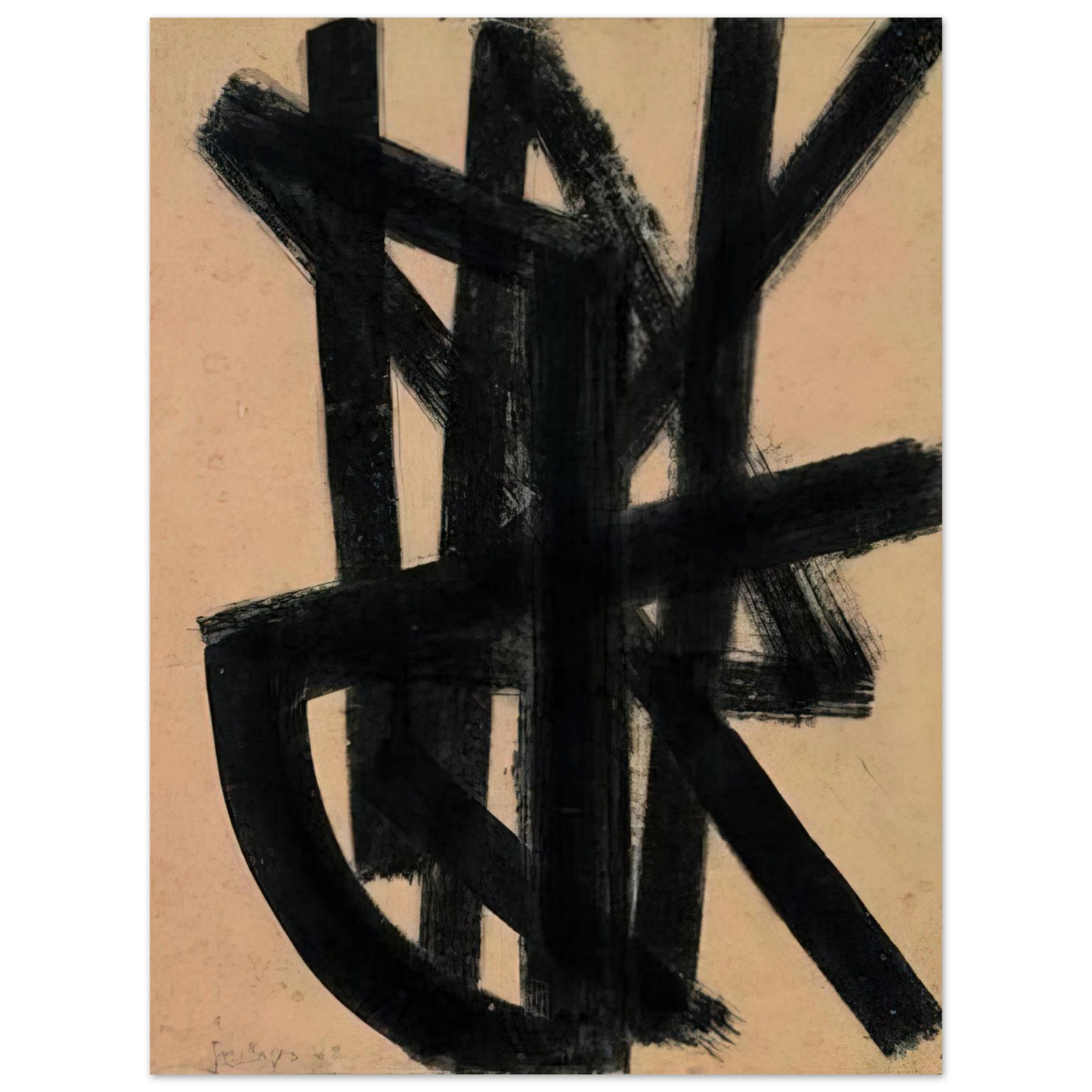
Pierre Soulages - Brou de noix 65 x 50 cm, 1948 - 1948 75x100 cm / 30x40inches Fine Art Poster
Pierre Soulages - Brou de noix 65 x 50 cm, 1948 - 1948 75x100 cm / 30x40inches Fine Art Poster
Couldn't load pickup availability
Pierre Soulages - Brou de noix (1948) - Museum-Quality Fine Art Print
Immerse yourself in the raw, elemental power of Pierre Soulages' Brou de noix, a seminal work from 1948 that heralded his lifelong exploration of light and darkness. This fine art print captures the original's dimensions of 65 x 50 cm, reproduced at a commanding 75x100 cm (30x40 inches) scale, allowing you to experience the artist's groundbreaking walnut stain technique in stunning detail. Soulages, often called the "painter of black," used walnut husk pigment here to create deep, textured surfaces that absorb and reflect light dynamically, marking a pivotal moment in post-war abstract art.
RedKalion presents this museum-quality reproduction on our exclusive Master's Edition archival paper. The matte, uncoated finish and natural white (off-white) hue emulate the tactile richness of original artworks, while the 250 gsm (110 lb) weight and 0.29 mm (11.4 mils) thickness ensure a durable, gallery-worthy presence. Crafted from FSC-certified, acid-free paper (pH above 7), this print resists yellowing and degradation, offering archival longevity that honors Soulages' legacy. Printed and shipped on demand with no minimum orders, it's a seamless way to elevate your space with an enduring masterpiece.
- Artist: Pierre Soulages (French, 1919-2022)
- Title: Brou de noix (1948)
- Original Size: 65 x 50 cm
- Print Size: 75x100 cm / 30x40 inches
- Paper: Master's Edition archival paper, matte uncoated finish, natural white
- Archival Quality: Acid-free (pH above 7), FSC-certified, 250 gsm weight
Own a piece of art history with this premium reproduction, where Soulages' innovative use of organic materials meets RedKalion's commitment to excellence in fine art prints.
Discover Unlimited Art Possibilities
At RedKalion, you can find virtually any artwork from any artist, available in a wide range of sizes to perfectly match your space.
If you didn’t find what you’re looking for, contact us at support@redkalion.com . We will source any artwork and produce it in any size and format you need, including art prints, posters, canvas, framed pieces, framed canvas, and more.
For dedicated art enthusiasts, we also offer handcrafted replicas of any artwork, carefully painted by highly skilled artists using traditional techniques.
For custom requests, contact us at support@redkalion.com .
What are the dimensions of this Pierre Soulages fine art print?
This museum-quality reproduction measures 75x100 cm (30x40 inches), based on Soulages' original 65 x 50 cm painting from 1948, offering a large-scale display for your home or office.
What type of paper is used for this archival art print?
It's printed on Master's Edition archival paper with a matte, uncoated finish and natural white hue, ensuring a luxurious texture and museum-quality durability for your fine art collection.
How does the archival quality prevent yellowing over time?
The acid-free paper (pH above 7) and FSC-certified materials resist degradation, providing long-lasting color fidelity and protection against yellowing for this premium art reproduction.
What is the weight and thickness of the paper for this print?
The paper is 250 gsm (110 lb) with a thickness of 0.29 mm (11.4 mils), offering a substantial, gallery-worthy feel that enhances the artwork's presence as a fine art poster.
How is this print shipped and are there minimum orders?
We print and ship on demand with no minimum orders, ensuring fast fulfillment and careful handling for your Pierre Soulages Brou de noix reproduction.
What makes Pierre Soulages' Brou de noix significant in art history?
Created in 1948, it showcases Soulages' early use of walnut stain pigment, exploring light and texture, which paved the way for his iconic "Outrenoir" series and post-war abstract art.
Can you describe the technique used in Brou de noix?
Soulages applied walnut husk pigment to create deep, absorbent surfaces that manipulate light, a technique highlighting his innovative approach to materiality in mid-20th century art.