

RedKalion
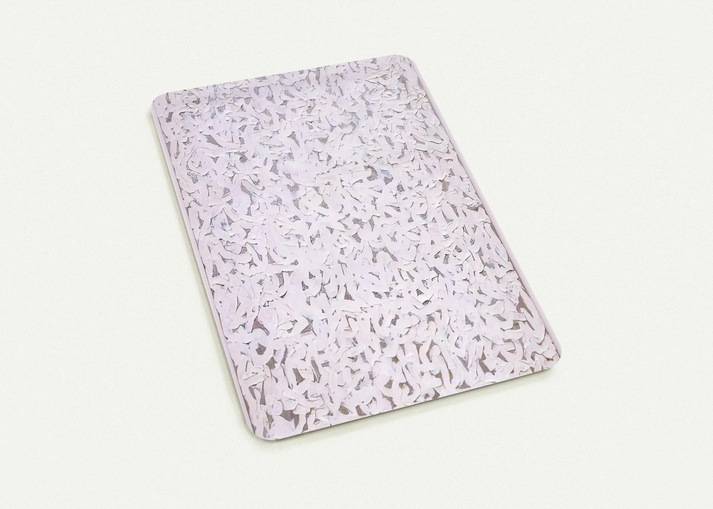
Points By Robert Ryman Pack of 10 Post Cards | Robert Ryman Post Cards | A6 (10.5 x 14.8 cm) - 4.1 x 5.8 inches
Points By Robert Ryman Pack of 10 Post Cards | Robert Ryman Post Cards | A6 (10.5 x 14.8 cm) - 4.1 x 5.8 inches
Couldn't load pickup availability
Points by Robert Ryman Postcard Set (Pack of 10)
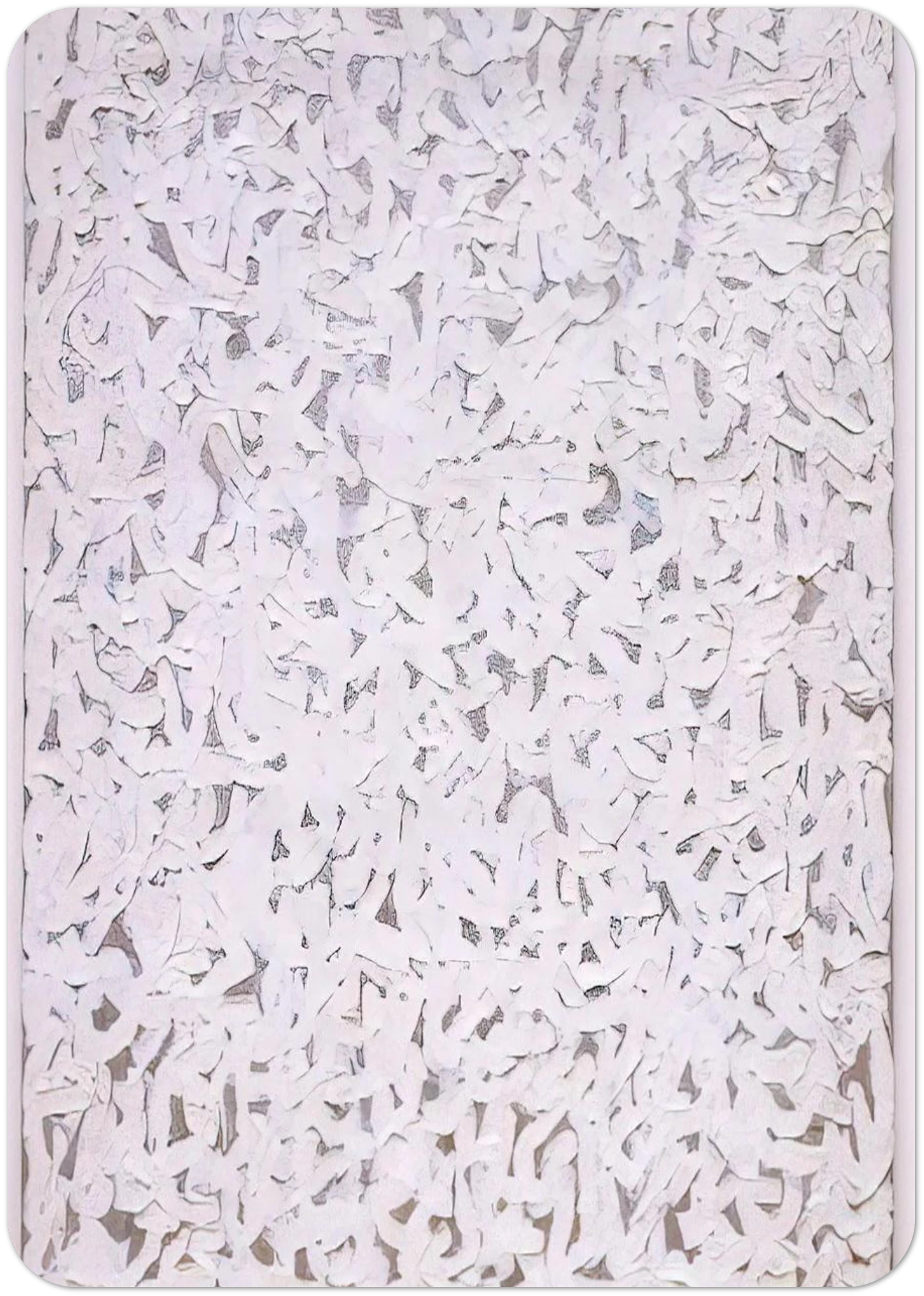
Experience the minimalist brilliance of Robert Ryman with this exclusive pack of 10 museum-quality postcards. Each A6-sized (10.5 x 14.8 cm / 4.1 x 5.8 inches) reproduction captures the essence of Ryman's iconic "Points" series, a seminal work in monochrome and conceptual art. Known for his exploration of white-on-white paintings, Ryman challenged perceptions of surface, light, and materiality in the mid-20th century. This set allows you to share or collect his avant-garde vision, printed with RedKalion's archival-grade precision on FSC-certified, 200 gsm smooth matte paper for a glare-free, tactile finish.
Perfect for art enthusiasts, educators, or as unique stationery, these postcards offer a portable piece of art history. RedKalion's 12-color fine art printing ensures vivid color vibrancy and depth, far surpassing standard reproductions. Elevate your correspondence or decor with these eco-conscious, on-demand prints that honor Ryman's legacy of purity and innovation.


Discover Unlimited Art Possibilities
At RedKalion, you can find virtually any artwork from any artist, available in a wide range of sizes to perfectly match your space.
If you didn’t find what you’re looking for, contact us at support@redkalion.com . We will source any artwork and produce it in any size and format you need, including art prints, posters, canvas, framed pieces, framed canvas, and more.
For dedicated art enthusiasts, we also offer handcrafted replicas of any artwork, carefully painted by highly skilled artists using traditional techniques.
For custom requests, contact us at support@redkalion.com .
What is the significance of Robert Ryman's "Points" series in art history?
Robert Ryman's "Points" series is a key example of monochrome and conceptual art from the 1960s, focusing on white surfaces to explore light, texture, and perception, challenging traditional painting norms.
What are the dimensions and quantity of these postcards?
This pack includes 10 A6 postcards, each measuring 10.5 x 14.8 cm (4.1 x 5.8 inches), ideal for mailing or display as miniature fine art prints.
What type of paper and finish are used for these postcards?
They are printed on 200 gsm (80 lb), 0.26 mm thick FSC-certified paper with a smooth matte finish for a clean, archival-quality reproduction without glare.
How does the printing technology ensure color accuracy?
RedKalion uses 12-color fine art printing for vivid, depth-rich colors, exceeding standard 4-color inkjet to deliver museum-quality reproductions of Ryman's work.
Are these postcards eco-friendly and printed on demand?
Yes, they are printed on environmentally conscious, FSC-certified paper and made on-demand with no minimum orders, reducing waste.
Can I use these postcards for framing or as art collectibles?
Absolutely, their high-quality paper and precise printing make them suitable for framing as small-scale fine art prints or as collectible items.
What makes Robert Ryman's technique unique in this series?
Ryman's technique involved layering white paint to create subtle variations in texture and light, emphasizing materiality over imagery in his minimalist approach.