RedKalion
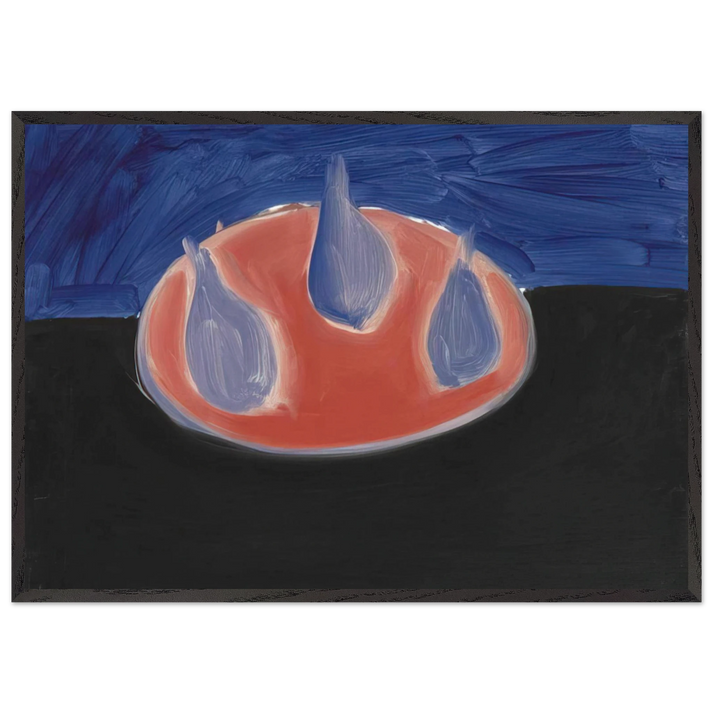
Poires sur une assiette rose - 1954 - Nicolas de Stael 70x100 cm / 28x40 inches Framed Art Print – Black Wooden Frame
Poires sur une assiette rose - 1954 - Nicolas de Stael 70x100 cm / 28x40 inches Framed Art Print – Black Wooden Frame
Couldn't load pickup availability
Poires sur une assiette rose - 1954 - Nicolas de Stael
Immerse yourself in the vibrant abstraction of Nicolas de Stael's "Poires sur une assiette rose" (Pears on a Pink Plate), a 1954 masterpiece that captures the artist's bold transition into expressive still-life. This fine art print reproduces de Stael's dynamic brushwork and rich color palette, where thick impasto strokes evoke the tactile essence of pears against a luminous pink background. As a pivotal work from his later years, it reflects his unique synthesis of abstraction and representation, offering a timeless piece that energizes any space with its modernist elegance.
RedKalion presents this museum-quality reproduction as a framed art print, meticulously crafted to honor the original's artistic integrity. The print is rendered on archival museum-quality paper with a matte, uncoated finish and natural white hue, ensuring vibrant color fidelity and longevity. Encased in a sleek black wooden frame made from responsibly sourced oak and ash wood, the piece features a 20mm thickness for a substantial, gallery-worthy presence. Protection is provided by shatterproof plexiglass, and it arrives ready-to-hang with an included kit, allowing you to elevate your decor effortlessly.
- Dimensions: 70x100 cm / 28x40 inches (framed size)
- Frame: Black wooden frame, 20mm thick, responsibly sourced materials
- Paper: 250 gsm (110 lb), matte uncoated finish, archival quality
- Protection: Shatterproof plexiglass
- Sustainability: FSC-certified or equivalent materials
Own a piece of art history with this Nicolas de Stael print, a premium reproduction that combines historical significance with contemporary craftsmanship, perfect for collectors and design enthusiasts alike.

Discover Unlimited Art Possibilities
At RedKalion, you can find virtually any artwork from any artist, available in a wide range of sizes to perfectly match your space.
If you didn’t find what you’re looking for, contact us at support@redkalion.com . We will source any artwork and produce it in any size and format you need, including art prints, posters, canvas, framed pieces, framed canvas, and more.
For dedicated art enthusiasts, we also offer handcrafted replicas of any artwork, carefully painted by highly skilled artists using traditional techniques.
For custom requests, contact us at support@redkalion.com .
What is the artwork "Poires sur une assiette rose" by Nicolas de Stael?
"Poires sur une assiette rose" (Pears on a Pink Plate) is a 1954 still-life painting by French-Russian artist Nicolas de Stael, known for its abstract expressionist style with thick impasto brushstrokes and vibrant colors, capturing the essence of pears in a modernist composition.
What are the specifications of the fine art print and frame?
This museum-quality reproduction features a 70x100 cm print on 250 gsm archival paper with a matte finish, framed in a 20mm black wooden frame made from responsibly sourced oak and ash, protected by shatterproof plexiglass, and includes a ready-to-hang kit.
How is the print protected and what materials are used?
The print is safeguarded by shatterproof plexiglass and printed on FSC-certified archival paper, ensuring durability and color preservation, with the frame crafted from sustainable oak and ash wood for an eco-friendly premium art piece.
What shipping and hanging options are available?
This framed art print arrives ready-to-hang with an included kit, allowing for easy wall mounting. Shipping is handled with care to ensure safe delivery of your Nicolas de Stael reproduction.
How long will the archival print last?
Using 250 gsm archival museum-quality paper and sustainable materials, this fine art print is designed to resist fading and degradation, offering long-lasting beauty for years in your home or office.
What artistic techniques did Nicolas de Stael use in this 1954 work?
De Stael employed thick impasto brushstrokes and a bold color palette, blending abstraction with figurative elements to create dynamic texture and emotional depth, reflecting his late-career exploration of still-life subjects.
Why is this piece significant in de Stael's oeuvre?
This 1954 painting marks a key moment in de Stael's transition towards more expressive, color-focused works, showcasing his mastery in balancing form and abstraction, which influenced post-war European art movements.