

RedKalion
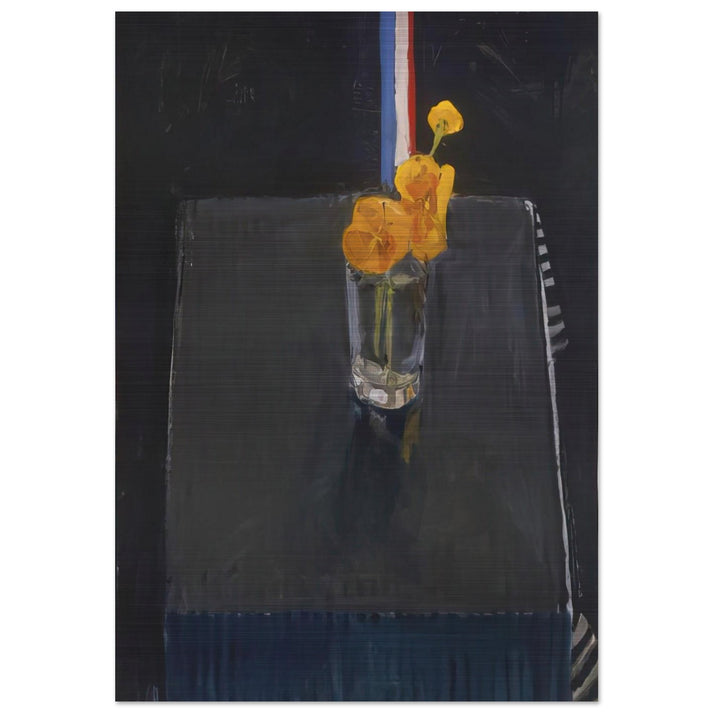
Poppies - Richard Diebenkorn Brushed Aluminum Print - 70x100 cm / 28x40 inches | Richard Diebenkorn Aluminum Print | Richard Diebenkorn Prints
Poppies - Richard Diebenkorn Brushed Aluminum Print - 70x100 cm / 28x40 inches | Richard Diebenkorn Aluminum Print | Richard Diebenkorn Prints
Couldn't load pickup availability
Poppies - Richard Diebenkorn Brushed Aluminum Print
Immerse your space in the vibrant, abstract beauty of Richard Diebenkorn's "Poppies", now available as a premium museum-quality reproduction from RedKalion. This iconic 1960s work captures the essence of the Bay Area Figurative Movement, blending bold color fields with gestural brushwork to evoke the dynamic energy of California landscapes. Diebenkorn's masterful use of abstraction transforms floral motifs into a symphony of form and hue, offering a timeless piece that bridges modernist innovation with emotional depth.
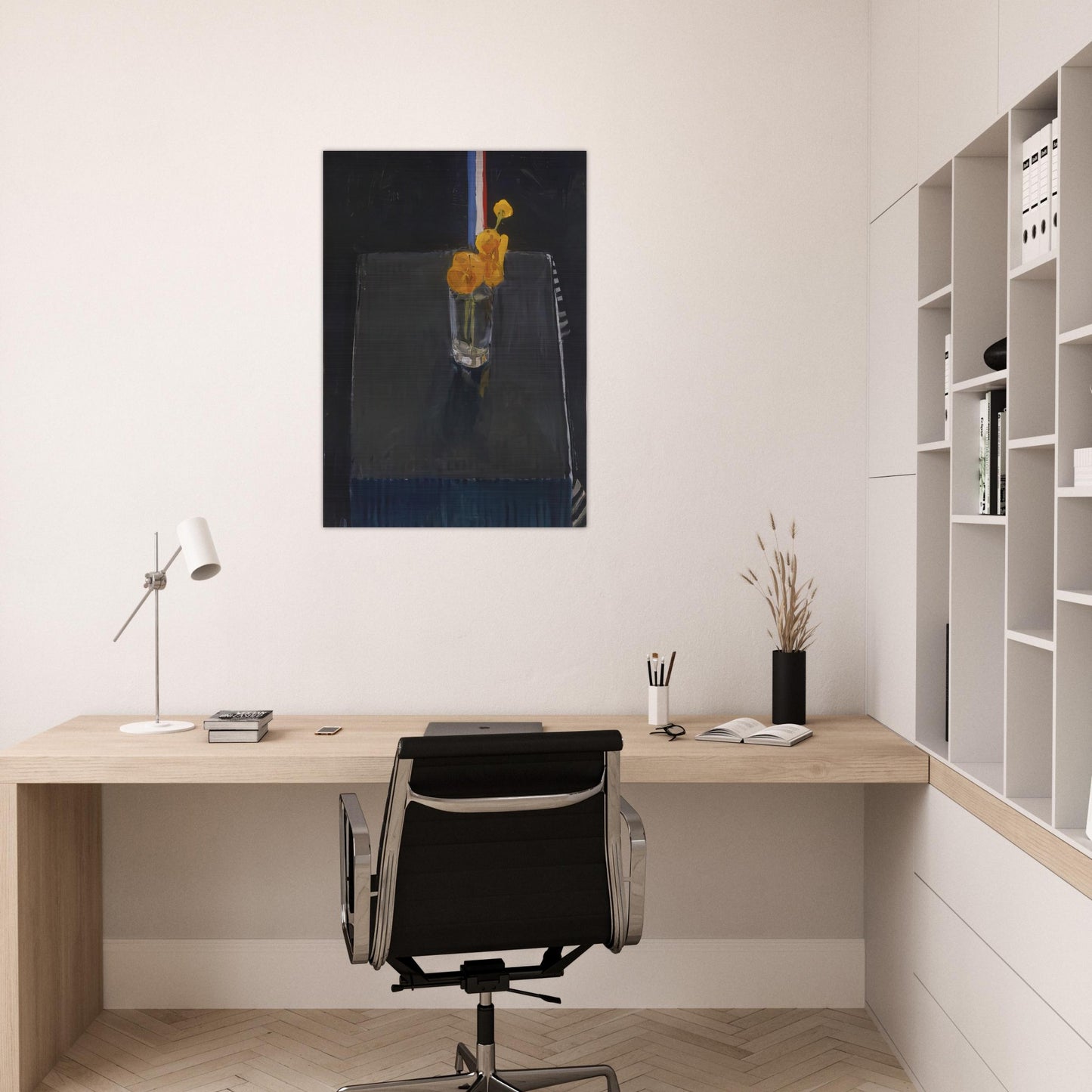
Our fine art print is meticulously crafted on brushed silver Aluminum DIBOND®, featuring a 3mm thickness for a durable, rigid presentation. The direct print technology ensures vivid, archival colors with a matte, glare-free finish, while unprinted areas reveal a striking metallic silver effect that enhances the artwork's contemporary appeal. This 70x100 cm / 28x40 inches reproduction includes a hanging kit for effortless installation, making it a seamless addition to any interior.
Elevate your collection with this archival masterpiece from RedKalion, where expert curation meets unparalleled craftsmanship in every aluminum print.


Discover Unlimited Art Possibilities
At RedKalion, you can find virtually any artwork from any artist, available in a wide range of sizes to perfectly match your space.
If you didn’t find what you’re looking for, contact us at support@redkalion.com . We will source any artwork and produce it in any size and format you need, including art prints, posters, canvas, framed pieces, framed canvas, and more.
For dedicated art enthusiasts, we also offer handcrafted replicas of any artwork, carefully painted by highly skilled artists using traditional techniques.
For custom requests, contact us at support@redkalion.com .
What are the dimensions of this Richard Diebenkorn aluminum print?
This fine art print measures 70x100 cm (28x40 inches), offering a substantial presence ideal for modern interiors and museum-quality displays.
What material is used for this brushed aluminum print?
It's crafted on brushed silver Aluminum DIBOND® with a 3mm thickness, providing a durable, rigid base with a metallic finish and horizontal grain for dynamic visual appeal.
How is the print applied to the aluminum surface?
We use direct printing on AluDibond, ensuring vivid colors and a matte finish, with unprinted white areas revealing a striking metallic silver effect for enhanced artistry.
Is a hanging kit included with this Richard Diebenkorn reproduction?
Yes, a hanging kit is included; specifics may vary by fulfillment country to ensure secure and easy installation of your premium aluminum print.
How durable and archival is this aluminum print?
This museum-quality reproduction features archival inks and a 3mm Aluminum DIBOND® base, designed for long-lasting color retention and resistance to fading in fine art displays.
What artistic movement is Richard Diebenkorn associated with?
Diebenkorn was a key figure in the Bay Area Figurative Movement, blending abstract expressionism with representational elements to create dynamic, emotionally resonant works like "Poppies".
What makes "Poppies" a significant artwork in Diebenkorn's career?
"Poppies" exemplifies Diebenkorn's 1960s exploration of color and form, using bold abstractions to evoke floral motifs and California landscapes, showcasing his mastery of modernist techniques.