RedKalion
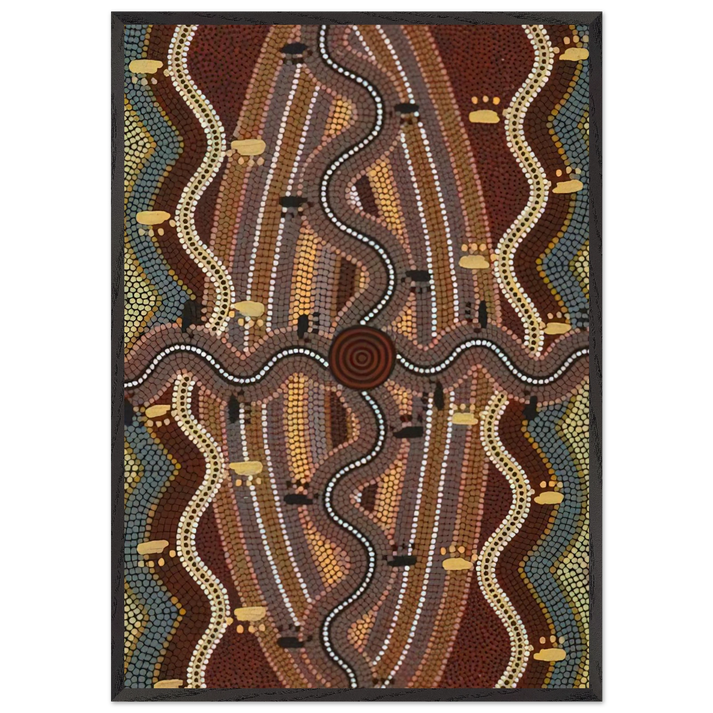
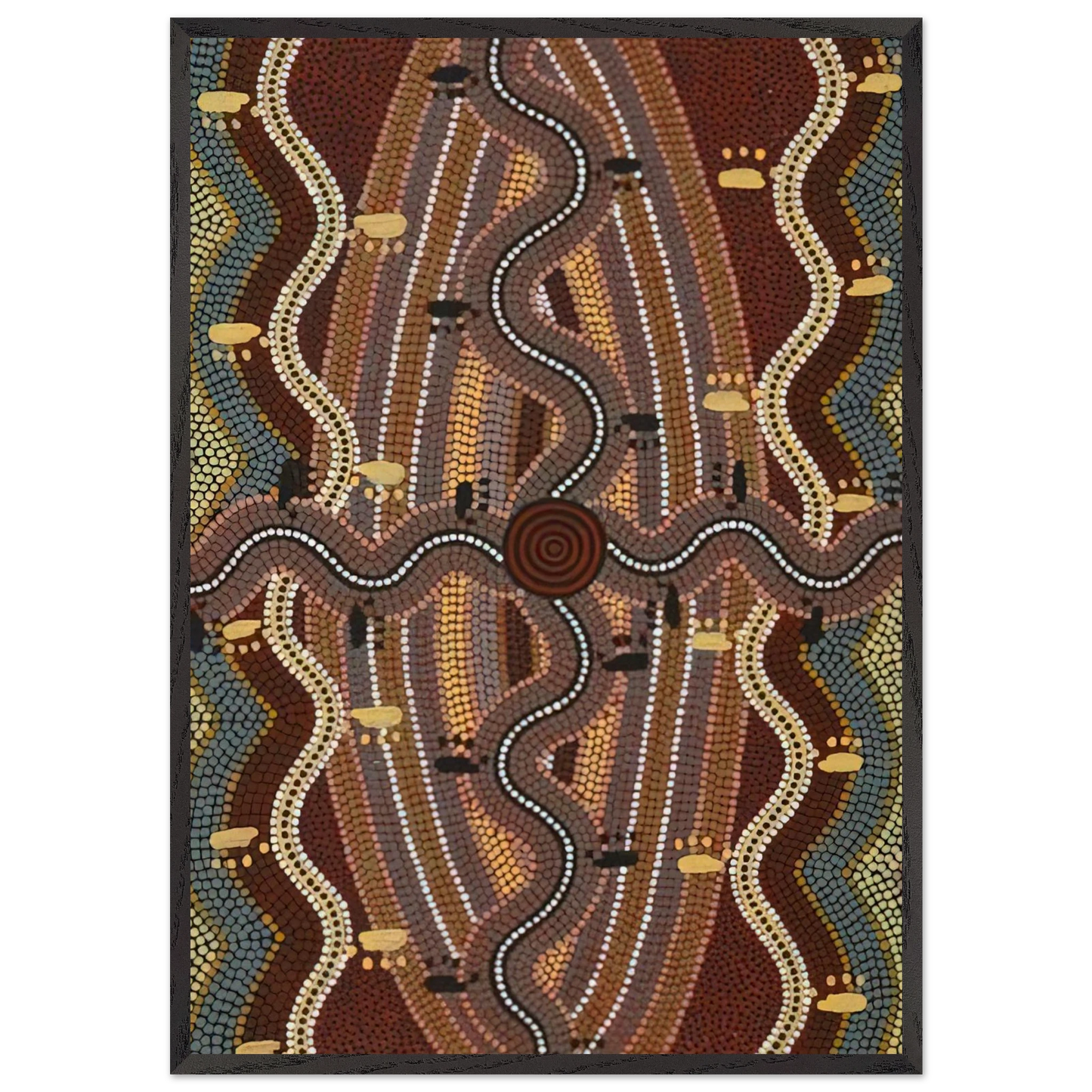
Possum Dreaming - 1981 - Clifford Possum Tjapaltjarri 70x100 cm / 28x40 inches Framed Art Print – Black Wooden Frame
Possum Dreaming - 1981 - Clifford Possum Tjapaltjarri 70x100 cm / 28x40 inches Framed Art Print – Black Wooden Frame
Couldn't load pickup availability
Possum Dreaming (1981) by Clifford Possum Tjapaltjarri
Immerse yourself in the spiritual and cultural legacy of Aboriginal Australian art with this museum-quality framed print of Possum Dreaming by the renowned artist Clifford Possum Tjapaltjarri. Created in 1981, this masterpiece is a vibrant expression of the Dreamtime, depicting ancestral stories and connections to the land through intricate dot painting and symbolic forms. The artwork evokes a sense of ancient wisdom, harmony with nature, and the rich storytelling traditions of the Anmatyerre people. As a leading figure in the Western Desert art movement, Tjapaltjarri's work is celebrated for its meticulous detail and profound cultural significance, making this piece a captivating addition to any art collection.
This fine art print is meticulously reproduced on premium archival paper, ensuring every dot and line captures the original's depth and texture. The print measures 70x100 cm (28x40 inches) and is elegantly presented in a black wooden frame crafted from responsibly sourced oak and ash wood. The frame features a substantial 20mm (0.79") thickness, wider than classic 14mm frames, providing a bold and modern aesthetic that enhances the artwork's presence. Protection is ensured with shatterproof plexiglass, safeguarding the print while offering clear visibility. Hanging is effortless with the included kit, allowing you to display this archival masterpiece directly on your wall.
RedKalion is proud to offer this museum-quality reproduction as part of our curated collection of world-class art. Each print is produced on FSC-certified sustainable paper, weighing 250 gsm (110 lb) with a matte, uncoated finish that mimics the texture of traditional Aboriginal art materials. This commitment to quality and authenticity ensures that Possum Dreaming not only beautifies your space but also endures as a timeless piece of cultural heritage. Elevate your home or office with an artwork that bridges ancient traditions and contemporary design, backed by our expertise in archival-grade reproductions.
Discover Unlimited Art Possibilities
At RedKalion, you can find virtually any artwork from any artist, available in a wide range of sizes to perfectly match your space.
If you didn’t find what you’re looking for, contact us at support@redkalion.com . We will source any artwork and produce it in any size and format you need, including art prints, posters, canvas, framed pieces, framed canvas, and more.
For dedicated art enthusiasts, we also offer handcrafted replicas of any artwork, carefully painted by highly skilled artists using traditional techniques.
For custom requests, contact us at support@redkalion.com .
What is the significance of Possum Dreaming by Clifford Possum Tjapaltjarri?
Possum Dreaming is a 1981 artwork by Clifford Possum Tjapaltjarri, a key figure in Aboriginal Australian art. It depicts Dreamtime stories using dot painting techniques, representing ancestral connections and cultural heritage of the Anmatyerre people.
What materials are used in this framed art print?
This museum-quality print uses FSC-certified sustainable paper (250 gsm, matte finish) in a black wooden frame made from responsibly sourced oak and ash wood, with shatterproof plexiglass for protection.
How is the frame constructed and what are its measurements?
The frame is 20mm thick and wide, crafted from oak and ash wood, and includes a hanging kit for easy wall display, making it ready-to-hang upon arrival.
Is the paper archival and what are its specifications?
Yes, the paper is archival museum-quality, 250 gsm (0.29 mm thick), with a matte, uncoated finish to ensure longevity and authentic reproduction of fine art details.
How does RedKalion ensure the quality of this reproduction?
RedKalion uses premium materials and expert techniques to create archival-grade reproductions, focusing on accurate color matching and durable construction for lasting art pieces.
What techniques did Clifford Possum Tjapaltjarri use in his art?
Tjapaltjarri employed dot painting and symbolic forms in the Western Desert style, layering acrylic paints to create textured, narrative works that convey Dreamtime stories.
How does this artwork fit into Aboriginal Australian art history?
As part of the 1970s-80s Western Desert movement, this piece helped bring Aboriginal art to global recognition, showcasing spiritual themes and innovative visual storytelling.