RedKalion
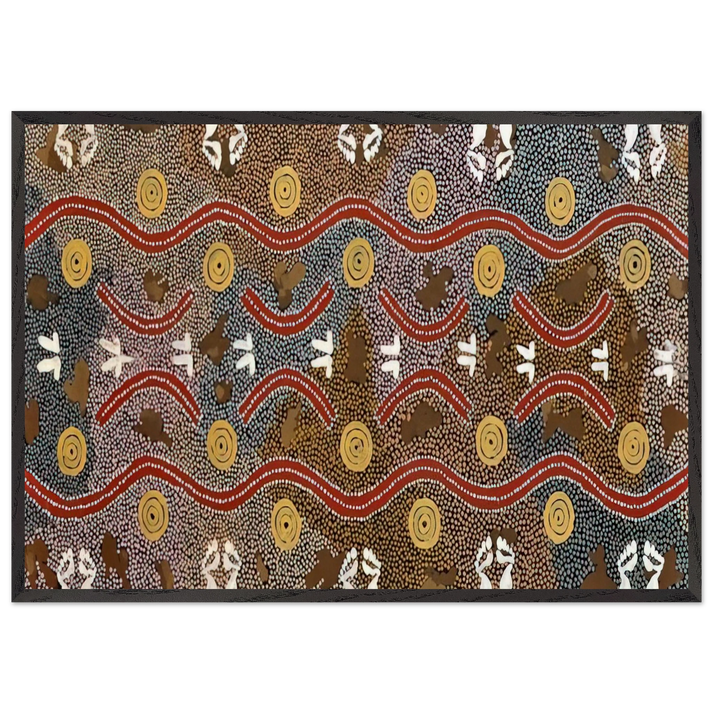
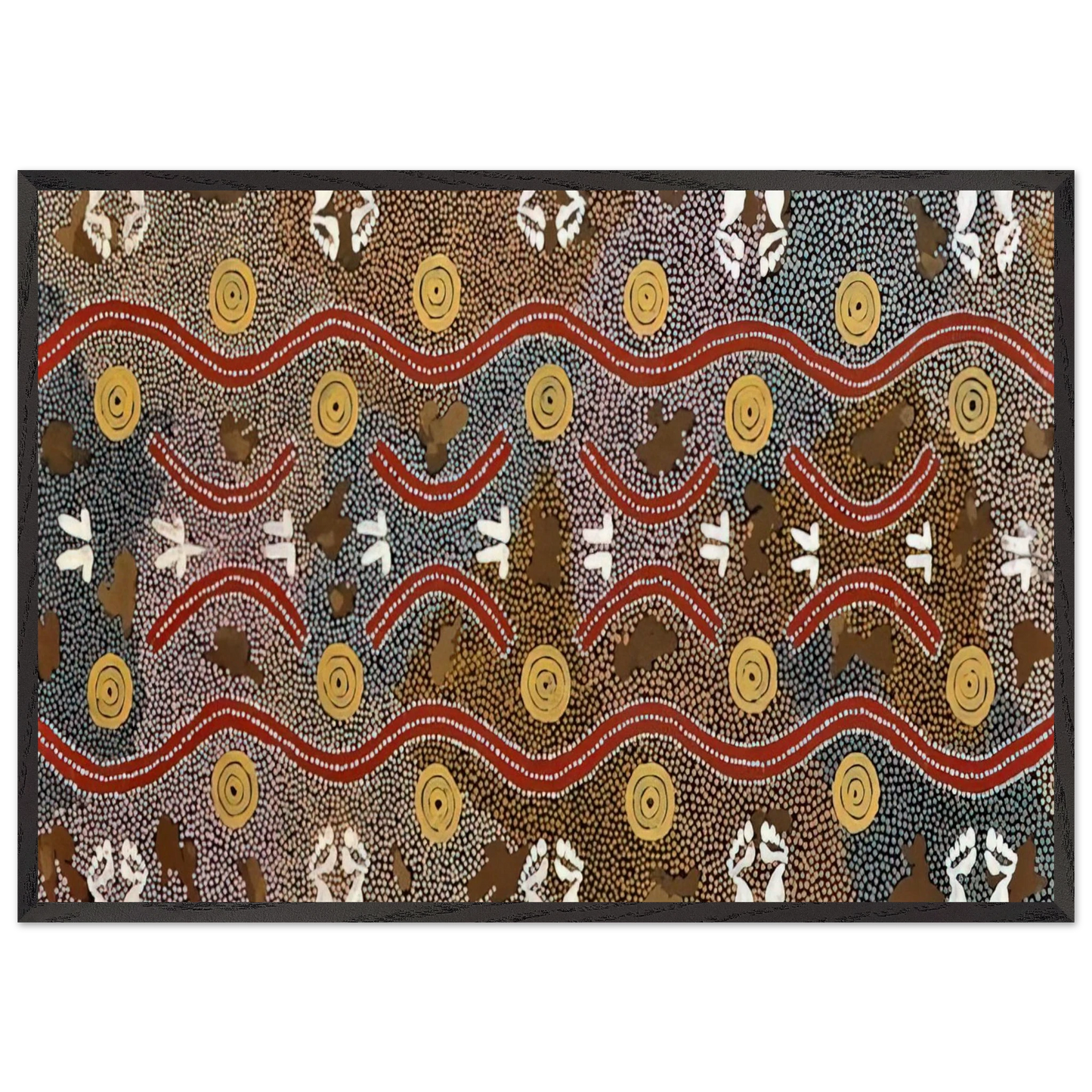
Possum Dreaming - Native Art - Clifford Possum Tjapaltjarri 70x100 cm / 28x40 inches Framed Art Print – Black Wooden Frame
Possum Dreaming - Native Art - Clifford Possum Tjapaltjarri 70x100 cm / 28x40 inches Framed Art Print – Black Wooden Frame
Couldn't load pickup availability
Possum Dreaming by Clifford Possum Tjapaltjarri: A Masterpiece of Indigenous Australian Art
Immerse yourself in the profound spiritual narrative of Possum Dreaming, a seminal work by the celebrated Aboriginal artist Clifford Possum Tjapaltjarri. This museum-quality art print captures the intricate dot painting technique and vibrant symbolism that define the Western Desert art movement, offering a window into the ancestral stories of the Anmatyerre people. The artwork, measuring 70x100 cm (28x40 inches), is presented in a premium framed art print with a sleek black wooden frame, ready to elevate any space with its cultural depth and aesthetic brilliance.
Clifford Possum Tjapaltjarri (c. 1932–2002) was a pioneering figure in the Papunya Tula art movement, renowned for his innovative use of acrylic paints to depict Dreaming stories—sacred narratives that connect land, ancestors, and identity. Possum Dreaming exemplifies his mastery, with layered dots and lines creating a mesmerizing visual rhythm that maps the journey of the possum ancestor across the desert landscape. This piece not only showcases artistic excellence but also serves as a vital cultural document, preserving Indigenous knowledge for generations.
At RedKalion, we honor this legacy with an archival-grade reproduction that meets the highest standards of fine art printing. Printed on 250 gsm (110 lb) matte, uncoated paper with a natural white finish, this print ensures rich color fidelity and longevity, free from the glare of coated alternatives. The frame, crafted from responsibly sourced oak and ash wood, features a substantial 20mm (0.79") profile—wider than classic 14mm frames—for a bold, contemporary presence. Protected by shatterproof plexiglass and including a hanging kit, this ready-to-hang framed print arrives at your door as a complete, gallery-ready display.
Elevate your home or office with a piece that blends artistic heritage with modern craftsmanship. Trust RedKalion for premium reproductions that bring the world's greatest art into your daily life, backed by our commitment to sustainability with FSC-certified materials.
Discover Unlimited Art Possibilities
At RedKalion, you can find virtually any artwork from any artist, available in a wide range of sizes to perfectly match your space.
If you didn’t find what you’re looking for, contact us at support@redkalion.com . We will source any artwork and produce it in any size and format you need, including art prints, posters, canvas, framed pieces, framed canvas, and more.
For dedicated art enthusiasts, we also offer handcrafted replicas of any artwork, carefully painted by highly skilled artists using traditional techniques.
For custom requests, contact us at support@redkalion.com .
What is the significance of Possum Dreaming in Aboriginal art?
Possum Dreaming depicts ancestral stories from the Anmatyerre people, using Clifford Possum Tjapaltjarri's iconic dot painting technique to map spiritual journeys and cultural heritage in Indigenous Australian art.
What are the dimensions of this framed art print?
This framed print measures 70x100 cm (28x40 inches), with a 20mm thick black wooden frame, making it a statement piece for wall decor in homes or offices.
What type of paper is used for this museum-quality reproduction?
We use 250 gsm (110 lb) matte, uncoated archival paper, 0.29 mm thick, for superior color depth and longevity in fine art prints, ensuring a premium look without glare.
Is the frame ready to hang, and what materials are used?
Yes, it includes a hanging kit. The frame is made from responsibly sourced oak and ash wood, 20mm wide, with shatterproof plexiglass for protection and easy display.
How does RedKalion ensure the print's archival quality and sustainability?
Our prints use FSC-certified sustainable paper and archival inks, designed to resist fading for decades, making them a durable investment in high-quality art reproductions.
Who was Clifford Possum Tjapaltjarri, and why is he important?
Clifford Possum Tjapaltjarri was a key Papunya Tula artist who helped popularize Aboriginal dot painting, blending traditional Dreaming stories with modern acrylic techniques in the 20th century.
What makes the dot painting technique in this artwork unique?
The dot painting uses layered acrylic dots to create intricate patterns that represent landforms and ancestral paths, a hallmark of Western Desert art for storytelling and spiritual mapping.