RedKalion
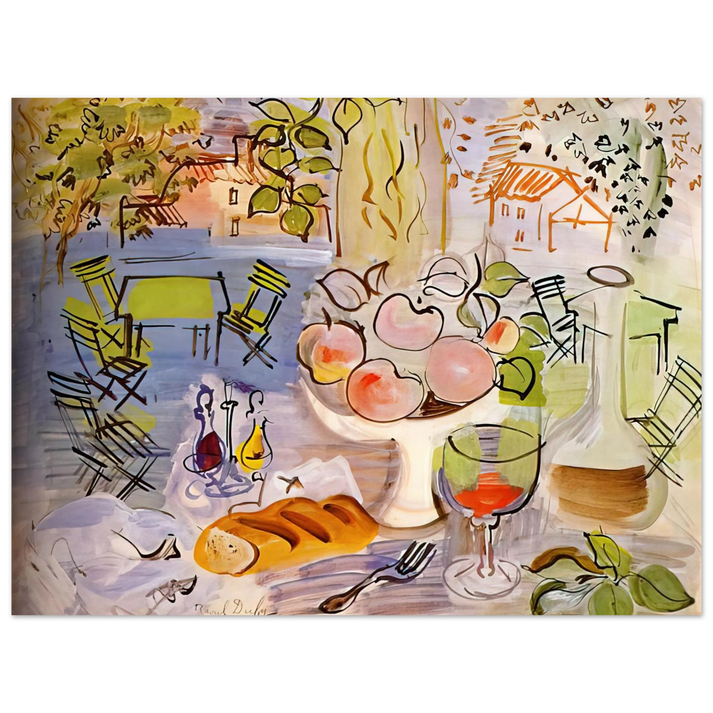
Raoul Dufy - STILL LIFE 1928 75x100 cm / 30x40inches Fine Art Poster
Raoul Dufy - STILL LIFE 1928 75x100 cm / 30x40inches Fine Art Poster
Couldn't load pickup availability
Raoul Dufy - STILL LIFE 1928: A Vibrant Fauvist Masterpiece
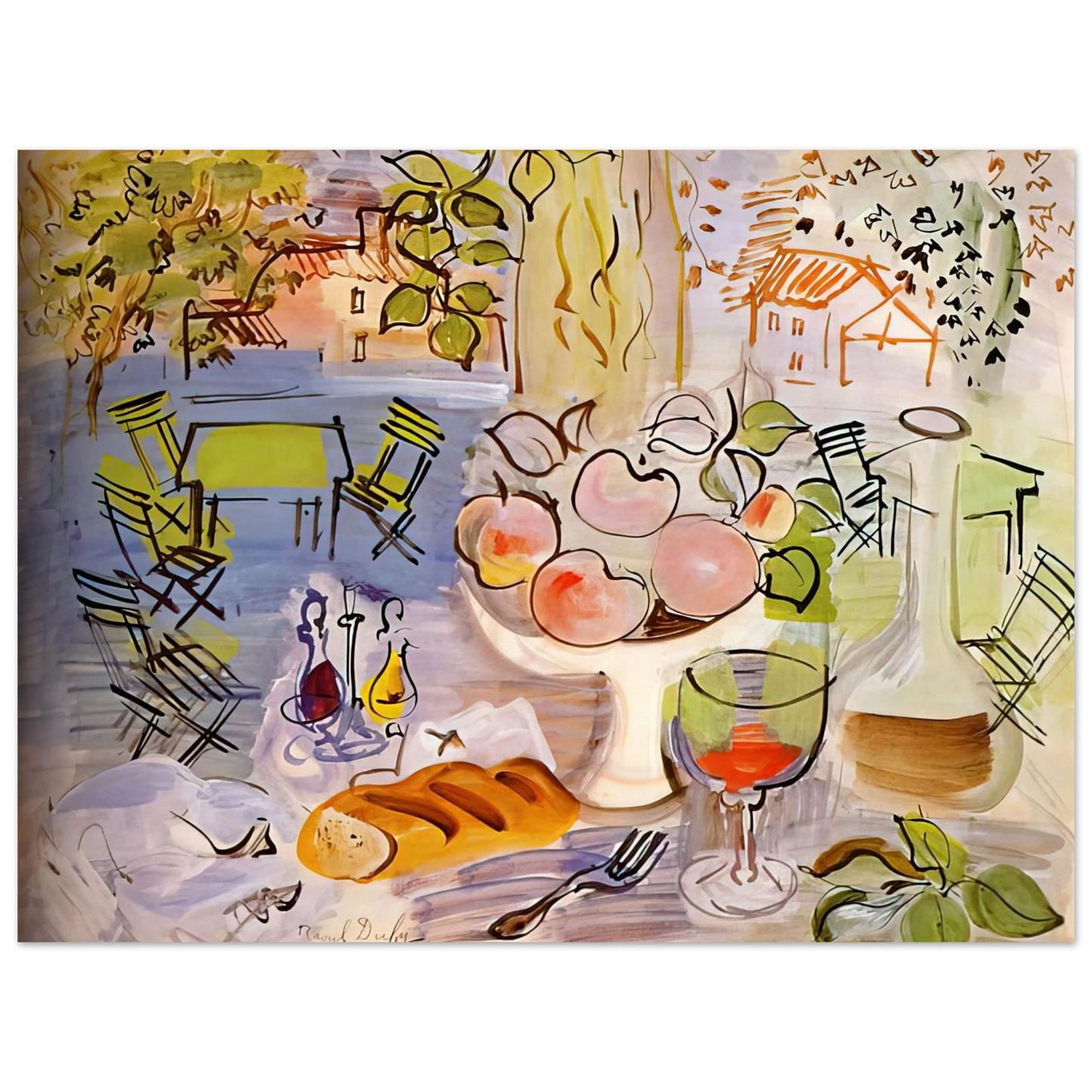
Immerse yourself in the exuberant world of Raoul Dufy with this museum-quality fine art print of "STILL LIFE 1928". Measuring 75x100 cm (30x40 inches), this archival reproduction captures the artist's signature Fauvist style—characterized by bold, expressive brushstrokes and a radiant palette that defies traditional realism. Created during a period of artistic maturity, Dufy's still life transcends mere representation, infusing everyday objects with dynamic energy and joyful abstraction. This piece is not just a decoration; it's a conversation starter that brings the avant-garde spirit of early 20th-century French art into your home or office.
At RedKalion, we specialize in premium reproductions that honor the original's integrity. Our Master's Edition archival paper ensures every detail—from the vibrant hues to the textured brushwork—is preserved with exceptional clarity. The matte, uncoated finish and natural white (off-white) surface provide a luxurious, gallery-like texture, while the acid-free composition (pH above 7) guarantees resistance to yellowing, ensuring your print remains vibrant for generations. Crafted from FSC-certified paper with a substantial weight of 250 gsm (110 lb) and thickness of 0.29 mm (11.4 mils), this piece is both durable and sustainable, reflecting our commitment to quality and environmental responsibility.
Elevate your space with an archival masterpiece that endures. Printed and shipped on demand with no minimum orders, this fine art poster offers a seamless way to own a piece of art history. Trust RedKalion to deliver a reproduction that meets the highest standards of craftsmanship and authenticity.
Discover Unlimited Art Possibilities
At RedKalion, you can find virtually any artwork from any artist, available in a wide range of sizes to perfectly match your space.
If you didn’t find what you’re looking for, contact us at support@redkalion.com . We will source any artwork and produce it in any size and format you need, including art prints, posters, canvas, framed pieces, framed canvas, and more.
For dedicated art enthusiasts, we also offer handcrafted replicas of any artwork, carefully painted by highly skilled artists using traditional techniques.
For custom requests, contact us at support@redkalion.com .
What are the dimensions of this Raoul Dufy fine art print?
This museum-quality reproduction measures 75x100 cm, which is equivalent to 30x40 inches, making it a striking centerpiece for any room.
What type of paper is used for this archival print?
We use Master's Edition archival paper, which is acid-free (pH above 7) to prevent yellowing and ensure long-lasting vibrancy for your fine art poster.
How does the matte finish enhance the artwork?
The matte, uncoated finish and natural white (off-white) surface provide a luxurious texture that reduces glare, allowing the vibrant Fauvist colors of Dufy's still life to shine authentically.
Is this print sustainable and durable?
Yes, it's printed on FSC-certified paper with a weight of 250 gsm (110 lb) and thickness of 0.29 mm (11.4 mils), offering both environmental responsibility and premium durability for your art collection.
How is shipping handled for this on-demand print?
We print and ship on demand with no minimum orders, ensuring fast fulfillment and careful packaging to deliver your museum-quality reproduction safely to your doorstep.
What makes Raoul Dufy's STILL LIFE 1928 historically significant?
Created in 1928, this work showcases Dufy's mature Fauvist style, blending bold colors and loose brushwork to transform a traditional still life into a dynamic, joyful abstraction that reflects early 20th-century avant-garde art.
Can you describe the artistic technique in this still life?
Dufy employed expressive, rapid brushstrokes and a non-naturalistic color palette, typical of Fauvism, to infuse everyday objects with energy and emotion, making this piece a vibrant example of his innovative approach.