RedKalion
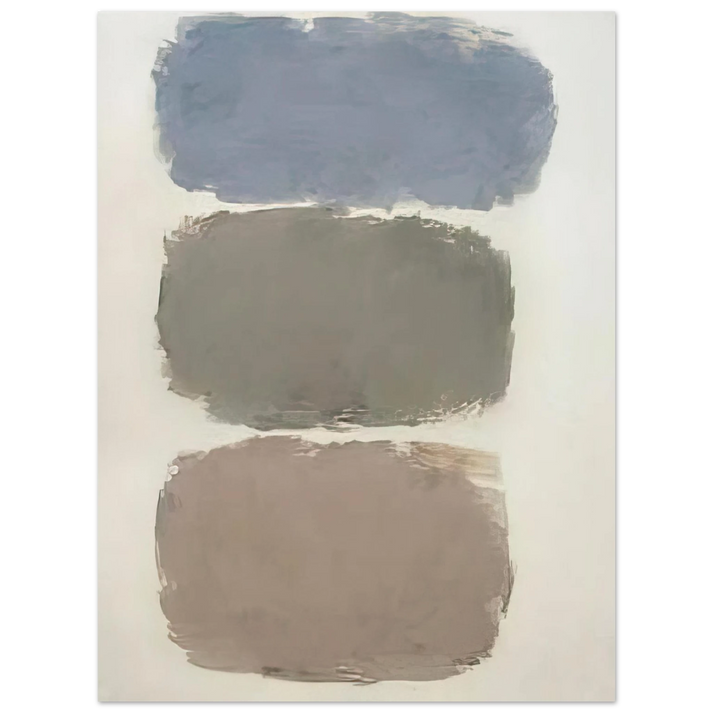
Ray Parker - Untitled - 1962 75x100 cm / 30x40inches Fine Art Poster
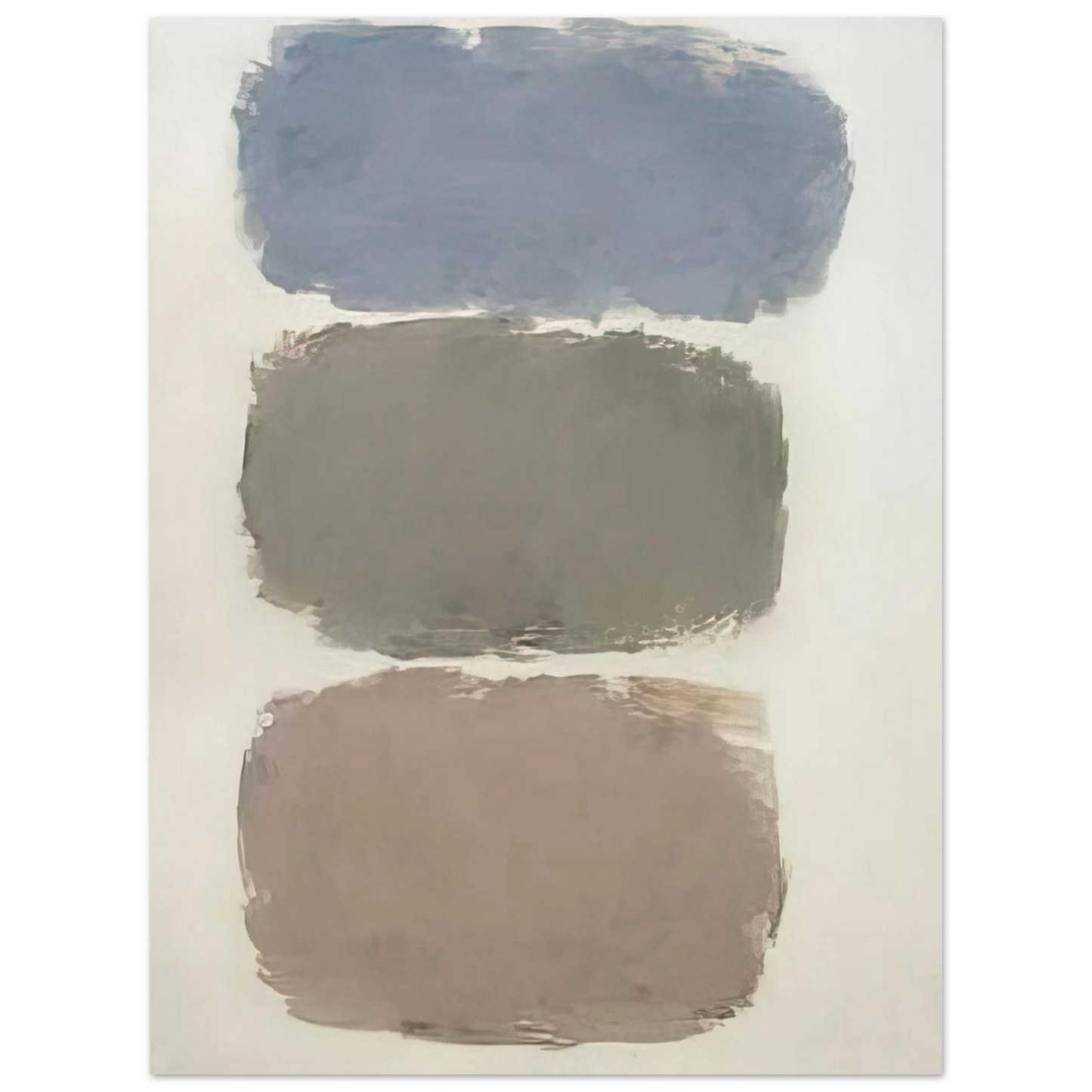
Ray Parker - Untitled - 1962 75x100 cm / 30x40inches Fine Art Poster
Couldn't load pickup availability
Ray Parker - Untitled (1962) - Museum-Quality Fine Art Print
Immerse yourself in the bold, abstract expressionism of Ray Parker's Untitled (1962), a seminal work from the height of the Color Field movement. This 75x100 cm / 30x40 inches fine art poster captures the artist's revolutionary approach to color and form, where vibrant, simplified shapes create a dynamic visual harmony that transcends traditional representation. Parker, a key figure in post-war American art, pioneered a lyrical abstraction that evokes emotion through pure chromatic interaction, making this piece a timeless statement of mid-century modernism.
RedKalion presents this masterpiece as an archival-grade reproduction, meticulously printed on our exclusive Master's Edition archival paper. The matte, uncoated finish in a natural white hue enhances the artwork's texture and depth, replicating the tactile quality of original gallery displays. Crafted from FSC-certified, acid-free paper (pH above 7), this print is designed to resist yellowing and degradation, ensuring its vibrancy endures for generations. With a substantial 250 gsm (110 lb) weight and 0.29 mm (11.4 mils) thickness, it offers a luxurious, durable presence perfect for framing and display.
Elevate your space with a museum-quality reproduction that bridges art history and contemporary elegance. Each print is produced on-demand, reflecting RedKalion's commitment to sustainability and personalized curation, allowing you to own a piece of abstract expressionist legacy without compromise.
Discover Unlimited Art Possibilities
At RedKalion, you can find virtually any artwork from any artist, available in a wide range of sizes to perfectly match your space.
If you didn’t find what you’re looking for, contact us at support@redkalion.com . We will source any artwork and produce it in any size and format you need, including art prints, posters, canvas, framed pieces, framed canvas, and more.
For dedicated art enthusiasts, we also offer handcrafted replicas of any artwork, carefully painted by highly skilled artists using traditional techniques.
For custom requests, contact us at support@redkalion.com .
What are the dimensions of this Ray Parker Untitled fine art print?
This fine art print measures 75x100 cm (30x40 inches), making it an ideal size for prominent wall display in homes or offices.
What type of paper is used for this museum-quality reproduction?
It is printed on Master's Edition archival paper, a museum-quality, acid-free material with a matte, uncoated finish in natural white for superior color fidelity and texture.
Is this Ray Parker poster archival and long-lasting?
Yes, this archival fine art print uses acid-free paper (pH above 7) to prevent yellowing, ensuring longevity and vibrant color preservation over time.
How is this fine art print shipped and delivered?
We offer on-demand printing with no minimum orders, and it is carefully shipped in protective packaging to ensure it arrives in perfect condition.
What is the weight and thickness of the paper for this art poster?
The paper has a luxurious 250 gsm (110 lb) weight and 0.29 mm (11.4 mils) thickness, providing a durable, premium feel for framing and display.
What artistic movement is Ray Parker's Untitled (1962) associated with?
This artwork is a key example of Color Field painting, a branch of abstract expressionism that emphasizes large areas of solid color and simplified forms to evoke emotional depth.
Why is Ray Parker significant in art history?
Ray Parker was a pioneering American abstract painter known for his lyrical abstraction and influence on post-war art, blending color theory with minimalist aesthetics to create harmonious compositions.