
RedKalion
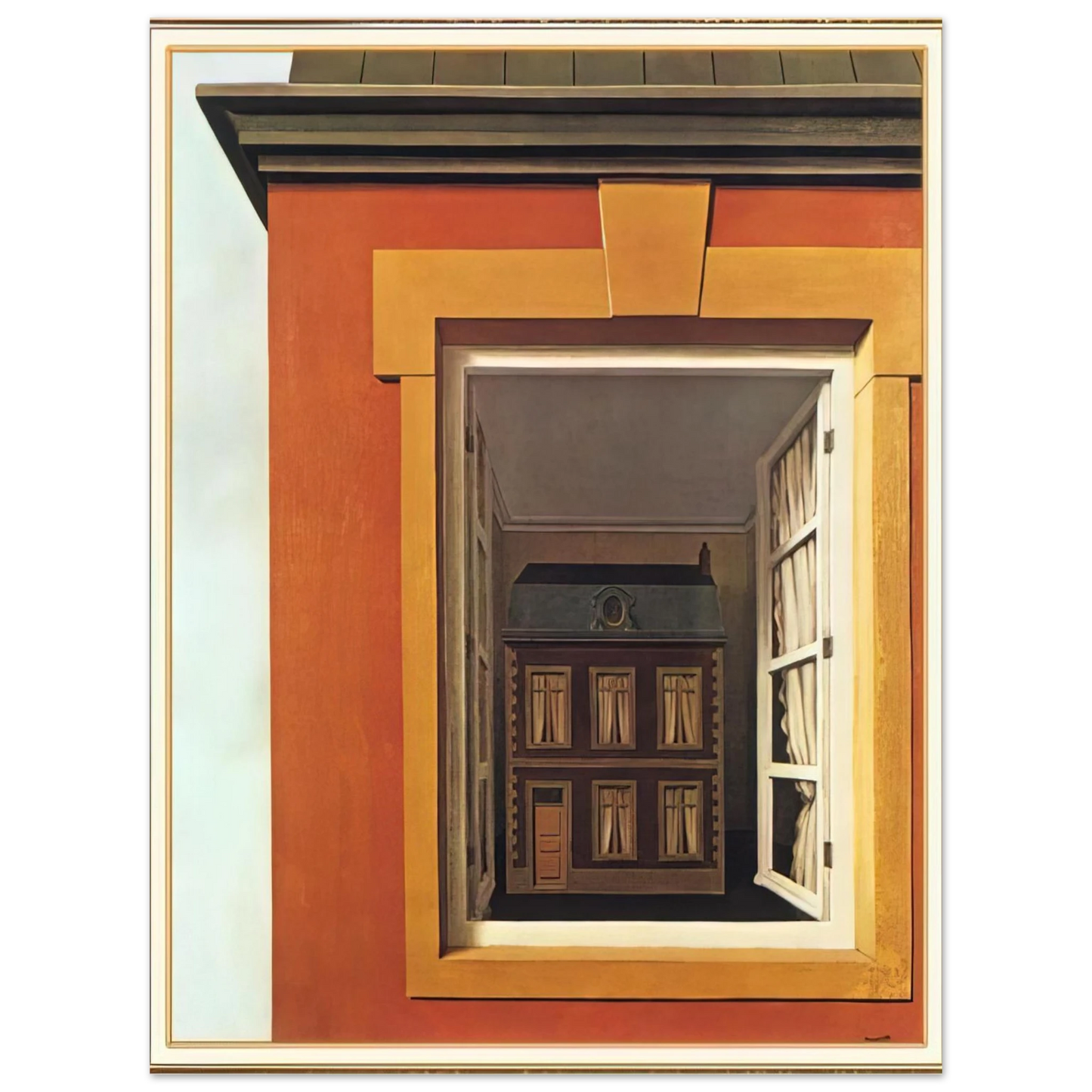
Rene Magritte - IN PRAISE OF DIALECTICS 1937 75x100 cm / 30x40inches Fine Art Poster
Rene Magritte - IN PRAISE OF DIALECTICS 1937 75x100 cm / 30x40inches Fine Art Poster
Couldn't load pickup availability
Rene Magritte - In Praise of Dialectics (1937): A Surrealist Masterpiece
Immerse yourself in the enigmatic world of Rene Magritte with this museum-quality fine art print of "In Praise of Dialectics" (1937). This iconic surrealist painting, measuring 75x100 cm (30x40 inches), challenges perception with its dreamlike juxtaposition of everyday objects, inviting contemplation on reality and illusion. Magritte's precise, almost photographic technique in this era masterfully blends the ordinary with the absurd, creating a timeless piece that sparks intellectual curiosity and artistic admiration.
RedKalion presents this archival reproduction on our premium Master's Edition paper, crafted to honor Magritte's original vision. The matte, uncoated finish and natural white (off-white) hue provide a luxurious texture that mimics gallery displays, while the acid-free composition (pH above 7) ensures lasting vibrancy without yellowing. With a substantial weight of 250 gsm (110 lb) and thickness of 0.29 mm (11.4 mils), this FSC-certified paper offers durability and sustainability, printed on demand to elevate your space with a piece that endures.
As a premier online gallery, RedKalion curates only the finest reproductions, combining art historical expertise with archival-grade materials. This print is not merely a decoration but a gateway to surrealist thought, perfect for collectors and enthusiasts seeking to enrich their environment with a trusted, high-quality artwork.
Discover Unlimited Art Possibilities
At RedKalion, you can find virtually any artwork from any artist, available in a wide range of sizes to perfectly match your space.
If you didn’t find what you’re looking for, contact us at support@redkalion.com . We will source any artwork and produce it in any size and format you need, including art prints, posters, canvas, framed pieces, framed canvas, and more.
For dedicated art enthusiasts, we also offer handcrafted replicas of any artwork, carefully painted by highly skilled artists using traditional techniques.
For custom requests, contact us at support@redkalion.com .
What are the dimensions of this Rene Magritte fine art print?
This museum-quality reproduction measures 75x100 cm (30x40 inches), ideal for framing and display in home or office settings.
What type of paper is used for this archival print?
It's printed on Master's Edition archival paper with a matte, uncoated finish and natural white color, ensuring a luxurious texture and long-lasting quality for your fine art collection.
How is this print shipped and are there minimum orders?
We offer no minimum orders and print on demand, with careful packaging and reliable shipping to deliver your surrealist artwork safely.
Will this acid-free paper prevent yellowing over time?
Yes, the acid-free paper (pH above 7) is designed to resist yellowing, preserving the vibrant colors of this Magritte reproduction for years to come.
What is the weight and thickness of this premium art paper?
The paper weighs 250 gsm (110 lb) with a thickness of 0.29 mm (11.4 mils), providing a durable and substantial feel for a high-end fine art poster.
What is the historical significance of "In Praise of Dialectics" by Rene Magritte?
Created in 1937, this painting exemplifies Magritte's surrealist style, using dialectical contrasts to explore themes of reality and perception during a pivotal era in modern art.
How does Magritte's technique in this artwork enhance its surreal effect?
Magritte employed a precise, realistic painting technique to depict ordinary objects in absurd contexts, creating a dreamlike quality that challenges viewers' assumptions about the world.