RedKalion
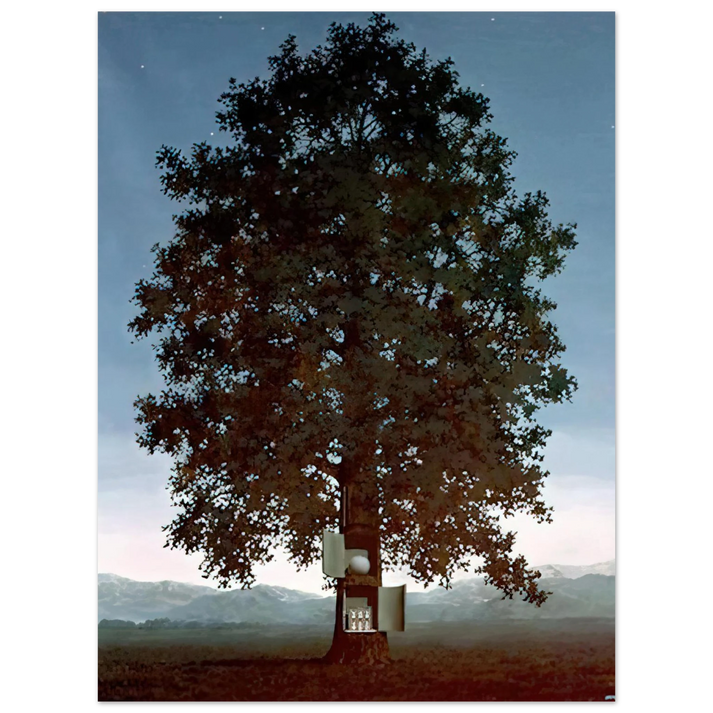
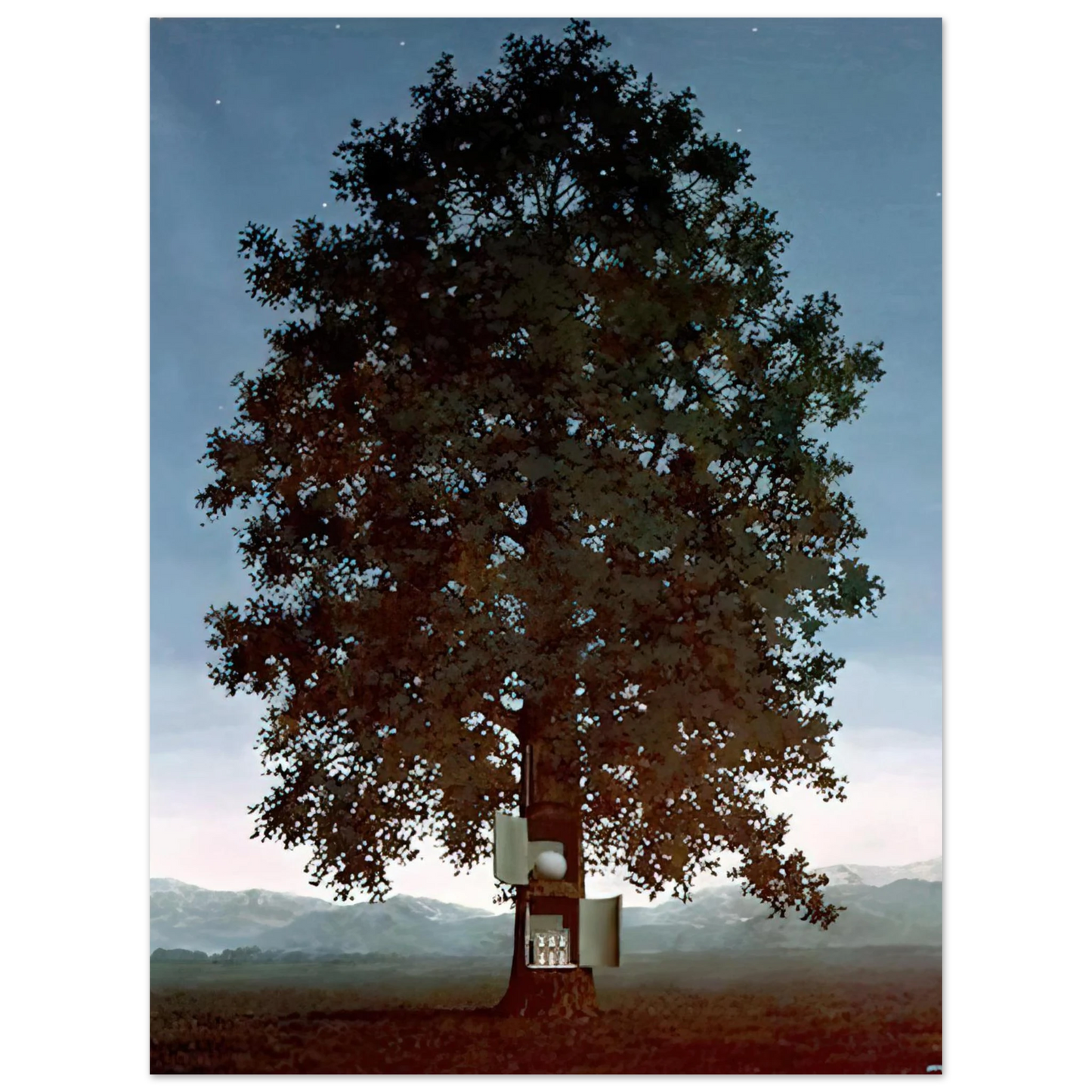
Rene Magritte - THE VOICE OF BLOOD 1959 75x100 cm / 30x40inches Fine Art Poster
Rene Magritte - THE VOICE OF BLOOD 1959 75x100 cm / 30x40inches Fine Art Poster
Couldn't load pickup availability
Rene Magritte - THE VOICE OF BLOOD 1959: A Surrealist Masterpiece Print
Immerse yourself in the enigmatic world of Surrealism with this museum-quality fine art print of Rene Magritte's "THE VOICE OF BLOOD" from 1959. This iconic work, measuring 75x100 cm (30x40 inches), captures Magritte's signature blend of dreamlike imagery and philosophical depth, inviting contemplation and intrigue into any space.
Magritte, a Belgian Surrealist master, crafted this piece during his later career, exploring themes of identity, perception, and the subconscious. "THE VOICE OF BLOOD" features his characteristic juxtaposition of ordinary objects in unexpected contexts, challenging viewers to question reality. The artwork's title hints at primal, visceral forces beneath the surface, a hallmark of Magritte's ability to evoke emotion through visual paradox.
RedKalion presents this archival reproduction on our exclusive Master's Edition paper, ensuring every detail—from the subtle textures to the rich tonal contrasts—is preserved with precision. The matte, uncoated finish and natural white (off-white) hue provide a luxurious, gallery-worthy texture that enhances the artwork's depth without glare. Printed on demand with no minimum orders, each piece is crafted to meet the highest standards of fine art reproduction.
Elevate your home or office with a timeless addition that combines historical significance with enduring quality. This fine art poster is not just a decoration but a conversation piece, offering a glimpse into Magritte's visionary mind.
- Dimensions: 75x100 cm / 30x40 inches
- Paper: Master's Edition archival paper, museum-quality
- Finish: Matte, uncoated, natural white (off-white)
- Longevity: Acid-free (pH above 7) to prevent yellowing
- Weight & Thickness: 250 gsm (110 lb), 0.29 mm (11.4 mils)
- Sustainability: FSC-certified paper
- Fulfillment: Printed and shipped on demand, no minimum orders
Discover Unlimited Art Possibilities
At RedKalion, you can find virtually any artwork from any artist, available in a wide range of sizes to perfectly match your space.
If you didn’t find what you’re looking for, contact us at support@redkalion.com . We will source any artwork and produce it in any size and format you need, including art prints, posters, canvas, framed pieces, framed canvas, and more.
For dedicated art enthusiasts, we also offer handcrafted replicas of any artwork, carefully painted by highly skilled artists using traditional techniques.
For custom requests, contact us at support@redkalion.com .
What are the dimensions of this Rene Magritte fine art print?
This museum-quality reproduction measures 75x100 cm, equivalent to 30x40 inches, making it a versatile size for framing and display in various settings.
What type of paper is used for this archival print?
We use Master's Edition archival paper, which is acid-free (pH above 7) and FSC-certified, ensuring longevity and a luxurious matte, uncoated finish in natural white.
How is this fine art poster shipped and fulfilled?
It is printed and shipped on demand with no minimum orders, allowing for personalized production and efficient delivery of your museum-quality reproduction.
What is the weight and thickness of the paper for durability?
The paper weighs 250 gsm (110 lb) with a thickness of 0.29 mm (11.4 mils), providing a sturdy, premium feel that resists wear over time.
How does the acid-free paper prevent yellowing?
With a pH above 7, the acid-free paper inhibits chemical degradation, ensuring this Rene Magritte print maintains its vibrant colors and avoids yellowing for decades.
What is the historical significance of "THE VOICE OF BLOOD" by Magritte?
Created in 1959, this work reflects Magritte's late Surrealist period, exploring themes of identity and subconscious forces through his iconic visual paradoxes and dreamlike imagery.
Why did Magritte title this artwork "THE VOICE OF BLOOD"?
The title suggests primal, visceral elements beneath reality, aligning with Magritte's interest in challenging perceptions and evoking emotional depth through surreal symbolism.