RedKalion
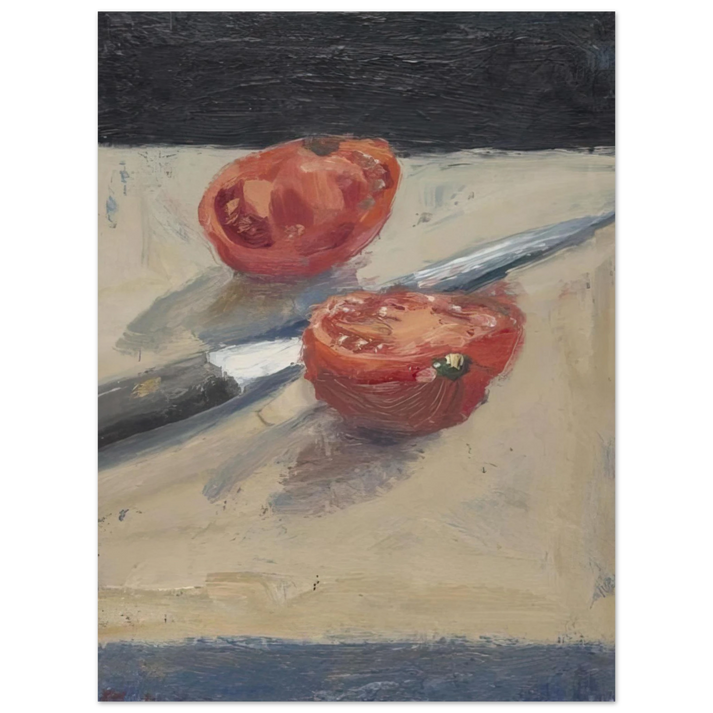
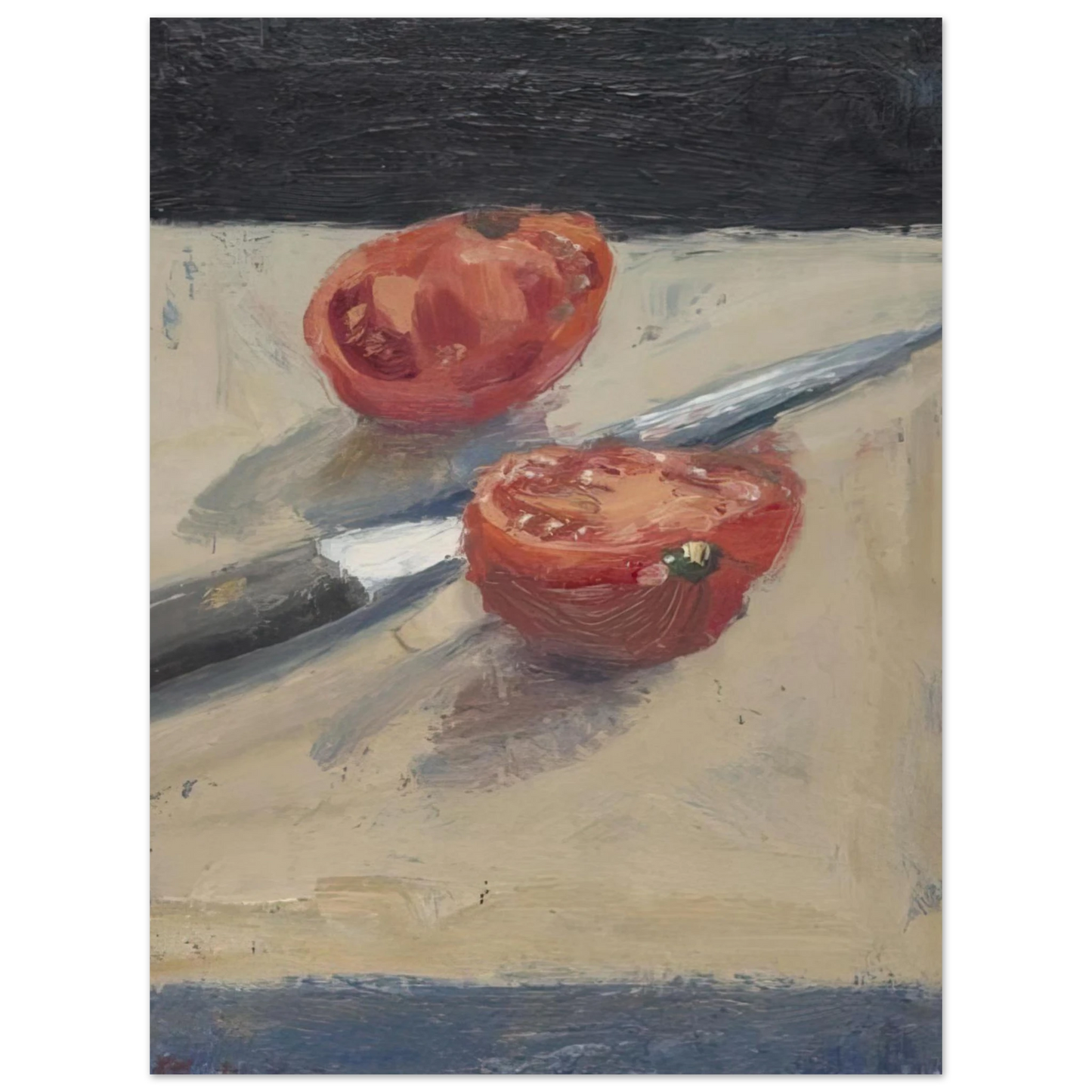
Richard Diebenkorn - Knife Tomato I 75x100 cm / 30x40inches Fine Art Poster
Richard Diebenkorn - Knife Tomato I 75x100 cm / 30x40inches Fine Art Poster
Couldn't load pickup availability
Richard Diebenkorn - Knife Tomato I: A Masterpiece of Abstract Expressionism
Immerse yourself in the vibrant, contemplative world of Richard Diebenkorn with this museum-quality fine art print of Knife Tomato I. This archival reproduction captures the essence of Diebenkorn's iconic work, where bold geometric forms and rich, earthy tones evoke a sense of California light and abstracted still life. As a leading figure in the Bay Area Figurative Movement, Diebenkorn masterfully blends abstraction with representational elements, creating a dynamic composition that invites endless interpretation. This piece is not just a print; it's a gateway to mid-20th century American art, perfect for collectors and enthusiasts seeking to elevate their space with timeless elegance.
RedKalion presents this premium reproduction on our exclusive Master's Edition archival paper, ensuring every detail—from the subtle brushstrokes to the deep color saturation—is preserved with unparalleled fidelity. The matte, uncoated finish in a natural white hue provides a luxurious, tactile experience that mimics the texture of original artwork, while its acid-free composition (pH above 7) guarantees resistance to yellowing, making it a lasting investment. Crafted from FSC-certified paper at 250 gsm (110 lb) and 0.29 mm (11.4 mils) thickness, this print offers durability and sustainability, shipped on demand with no minimum orders for your convenience.
Display this 75x100 cm / 30x40 inches fine art poster in your home or office to infuse any room with artistic sophistication and historical depth. Trust RedKalion, your curator of archival-grade reproductions, to deliver a piece that honors Diebenkorn's legacy and enhances your collection with enduring beauty.
Discover Unlimited Art Possibilities
At RedKalion, you can find virtually any artwork from any artist, available in a wide range of sizes to perfectly match your space.
If you didn’t find what you’re looking for, contact us at support@redkalion.com . We will source any artwork and produce it in any size and format you need, including art prints, posters, canvas, framed pieces, framed canvas, and more.
For dedicated art enthusiasts, we also offer handcrafted replicas of any artwork, carefully painted by highly skilled artists using traditional techniques.
For custom requests, contact us at support@redkalion.com .
What are the dimensions of this Richard Diebenkorn print?
This fine art print measures 75x100 cm (30x40 inches), making it an ideal size for prominent display in any room as a museum-quality reproduction.
What type of paper is used for this archival print?
It's printed on Master's Edition archival paper, a museum-quality, acid-free material with a matte, uncoated finish in natural white for a luxurious texture.
How long will this print last without yellowing?
With its acid-free composition (pH above 7), this archival print is designed to resist yellowing over time, ensuring long-term preservation as a fine art poster.
What is the weight and thickness of the paper?
The paper is 250 gsm (110 lb) in weight and 0.29 mm (11.4 mils) thick, offering durability and a premium feel for this Richard Diebenkorn reproduction.
Is this print sustainably produced?
Yes, it uses FSC-certified paper, reflecting RedKalion's commitment to sustainability in creating this museum-quality fine art print.
What is the historical significance of Knife Tomato I by Richard Diebenkorn?
Knife Tomato I is a key work from Diebenkorn's Bay Area Figurative Movement, blending abstract forms with representational elements to capture California light and still life in a dynamic, mid-20th century style.
How does Diebenkorn's technique influence the mood of this artwork?
Diebenkorn's use of bold geometric shapes and earthy tones in Knife Tomato I creates a contemplative, vibrant mood that evokes both abstraction and tangible reality, characteristic of his masterful approach.