
RedKalion
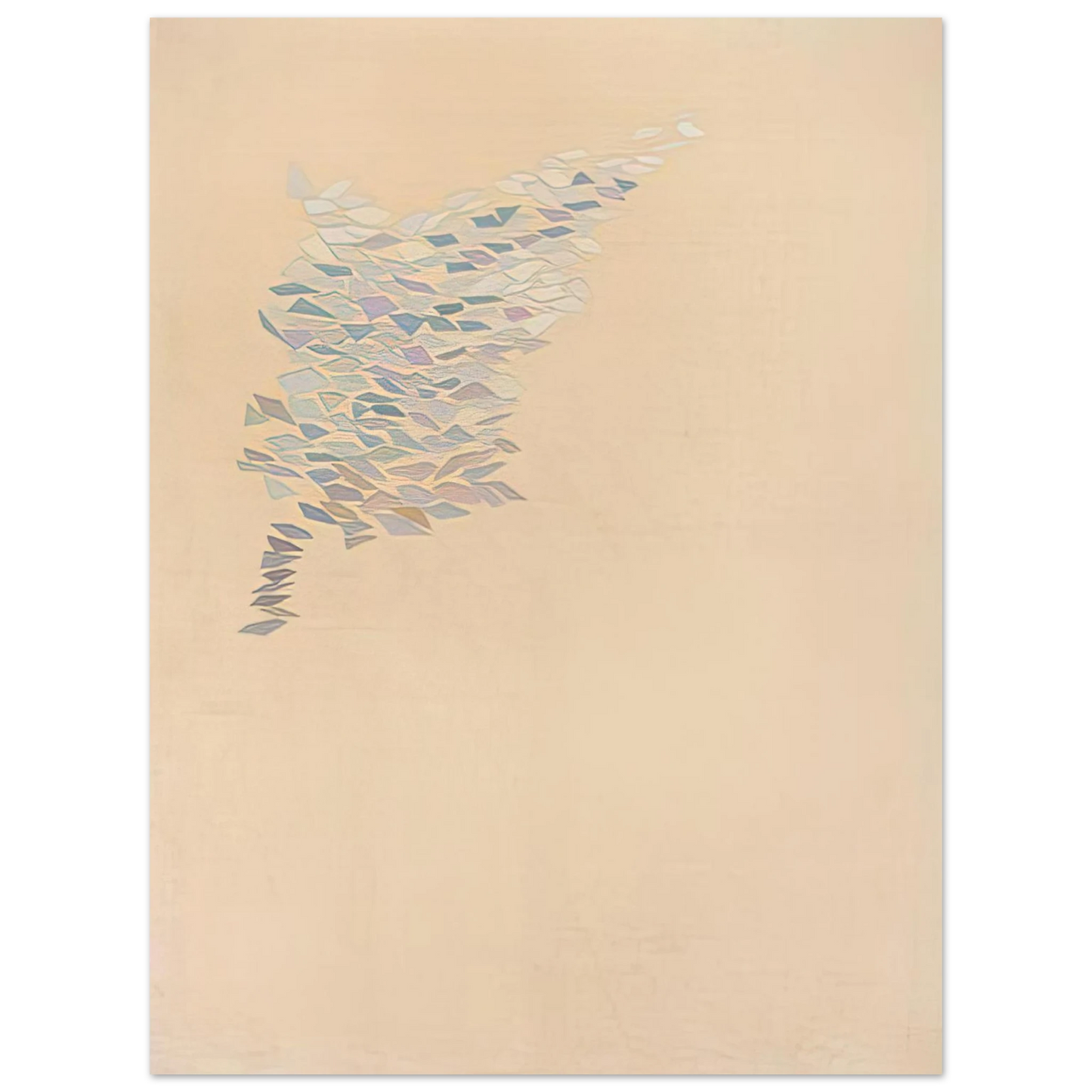
Robert Goodnough - Development TK Como - 1970 75x100 cm / 30x40inches Fine Art Poster
Robert Goodnough - Development TK Como - 1970 75x100 cm / 30x40inches Fine Art Poster
Couldn't load pickup availability
Robert Goodnough - Development TK Como (1970) - Museum-Quality Fine Art Print
Immerse yourself in the dynamic energy of the mid-century American art scene with this premium reproduction of Robert Goodnough's "Development TK Como" from 1970. Measuring 75x100 cm (30x40 inches), this fine art poster captures the artist's innovative approach to abstraction, blending geometric forms with expressive color fields that evoke a sense of rhythmic movement and modernist exploration.
Goodnough, a key figure in the New York School, developed this piece during a period of intense experimentation, where he often layered shapes and hues to create visual tension and harmony. The title "Development TK Como" hints at his process of evolving compositions, reflecting the artist's fascination with structure and spontaneity. This archival print allows you to bring a slice of art history into your home or office, offering a conversation-starting centerpiece that resonates with sophistication.
RedKalion presents this masterpiece on our exclusive Master's Edition archival paper, ensuring a museum-quality reproduction that honors the original's vibrancy. The matte, uncoated finish in a natural white (off-white) shade provides a luxurious texture, enhancing the artwork's depth without glare. Crafted from acid-free materials with a pH above 7, this print is designed to resist yellowing over decades, while the substantial 250 gsm (110 lb) weight and 0.29 mm (11.4 mils) thickness deliver a durable, premium feel. Printed on FSC-certified paper, this piece supports sustainable art practices, and with no minimum orders, it's produced and shipped on demand to meet your needs.
Elevate your space with an archival masterpiece that endures, curated by RedKalion for discerning collectors who value authenticity and quality.
Discover Unlimited Art Possibilities
At RedKalion, you can find virtually any artwork from any artist, available in a wide range of sizes to perfectly match your space.
If you didn’t find what you’re looking for, contact us at support@redkalion.com . We will source any artwork and produce it in any size and format you need, including art prints, posters, canvas, framed pieces, framed canvas, and more.
For dedicated art enthusiasts, we also offer handcrafted replicas of any artwork, carefully painted by highly skilled artists using traditional techniques.
For custom requests, contact us at support@redkalion.com .
What are the dimensions of this Robert Goodnough fine art print?
This museum-quality reproduction measures 75x100 cm (30x40 inches), perfect for standard framing and display in any room.
What type of paper is used for this archival print?
It's printed on Master's Edition archival paper, featuring a matte, uncoated finish in natural white for a luxurious texture and long-lasting color fidelity.
How does the acid-free paper ensure longevity for my art print?
With a pH above 7, the acid-free paper prevents yellowing over time, making this a durable investment for preserving Robert Goodnough's artwork.
What is the weight and thickness of this fine art poster?
The paper has a substantial 250 gsm (110 lb) weight and 0.29 mm (11.4 mils) thickness, offering a premium feel and durability for your wall art.
Is this print sustainable and how is it shipped?
Yes, it uses FSC-certified paper for eco-friendly practices, and with no minimum orders, it's printed and shipped on demand for efficient delivery.
What artistic movement does Robert Goodnough's "Development TK Como" represent?
This 1970 piece reflects the New York School and abstract expressionism, showcasing Goodnough's blend of geometric abstraction and color field techniques.
Can you explain the significance of the title "Development TK Como"?
The title hints at Goodnough's process of evolving compositions, with "TK" often denoting "to come" in drafts, emphasizing his experimental approach to structure and form.