RedKalion
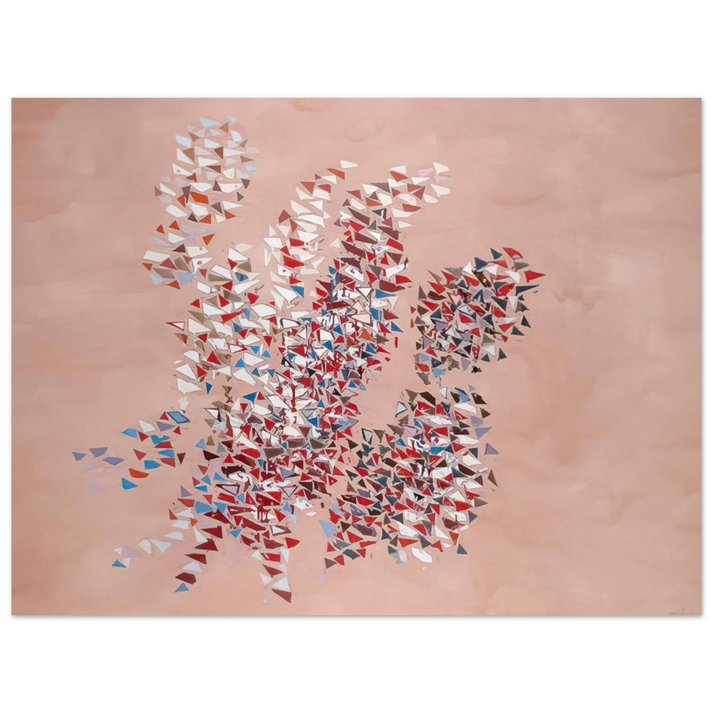
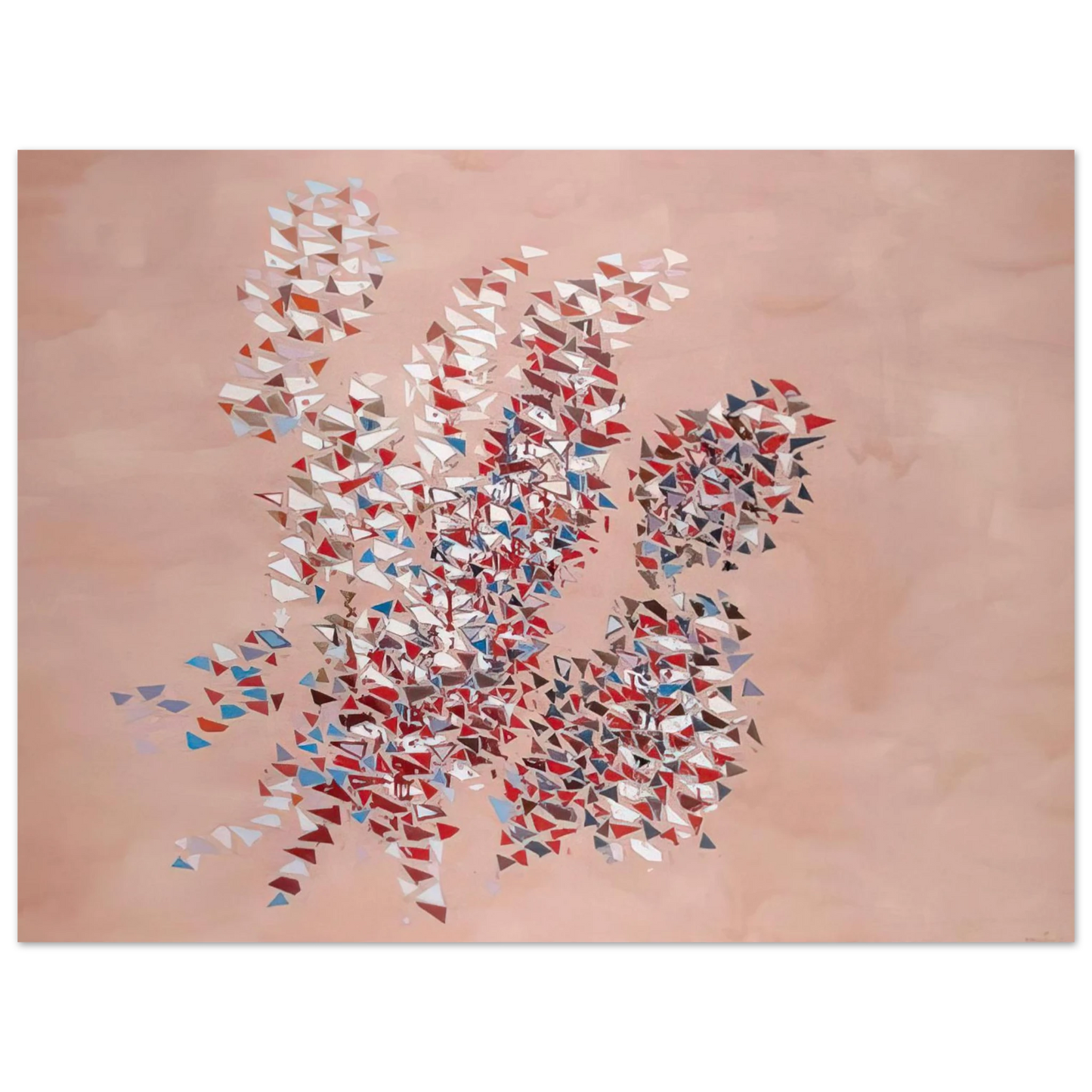
Robert Goodnough - Untitled - 1992 75x100 cm / 30x40inches Fine Art Poster
Robert Goodnough - Untitled - 1992 75x100 cm / 30x40inches Fine Art Poster
Couldn't load pickup availability
Robert Goodnough - Untitled (1992) - Museum-Quality Fine Art Print
Immerse yourself in the bold, abstract expressionism of Robert Goodnough with this premium reproduction of his 1992 masterpiece, Untitled. Measuring 75x100 cm (30x40 inches), this fine art poster captures the dynamic energy and geometric precision that defined Goodnough's later career, blending Cubist influences with a vibrant, modernist palette to create a piece that commands attention in any contemporary space.
Goodnough, a key figure in the New York School, was renowned for his innovative approach to form and color. In this 1992 work, he masterfully balances structured shapes with spontaneous brushwork, reflecting a lifetime of artistic evolution. This archival print allows you to own a slice of art history, offering a window into the abstract movements that reshaped 20th-century visual culture.
At RedKalion, we curate only the highest-quality reproductions. This print is produced on our Master's Edition archival paper, a museum-grade, acid-free material (pH above 7) that ensures longevity without yellowing. With a matte, uncoated finish and natural white hue, it delivers a luxurious texture that enhances the artwork's depth. The 250 gsm (110 lb) weight and 0.29 mm (11.4 mils) thickness provide a substantial feel, while FSC-certified paper underscores our commitment to sustainability. Printed and shipped on demand with no minimum orders, this piece arrives ready to elevate your home or office with enduring elegance.
- Dimensions: 75x100 cm / 30x40 inches
- Paper: Master's Edition archival paper, museum-quality
- Finish: Matte, uncoated, natural white (off-white)
- Longevity: Acid-free (pH above 7) to prevent yellowing
- Weight & Thickness: 250 gsm (110 lb), 0.29 mm (11.4 mils)
- Sustainability: FSC-certified paper
- Fulfillment: Printed and shipped on demand, no minimum orders
Elevate your space with an archival masterpiece that endures, backed by RedKalion's expertise in premium art reproductions.
Discover Unlimited Art Possibilities
At RedKalion, you can find virtually any artwork from any artist, available in a wide range of sizes to perfectly match your space.
If you didn’t find what you’re looking for, contact us at support@redkalion.com . We will source any artwork and produce it in any size and format you need, including art prints, posters, canvas, framed pieces, framed canvas, and more.
For dedicated art enthusiasts, we also offer handcrafted replicas of any artwork, carefully painted by highly skilled artists using traditional techniques.
For custom requests, contact us at support@redkalion.com .
What are the dimensions of this Robert Goodnough fine art print?
This museum-quality reproduction measures 75x100 cm, equivalent to 30x40 inches, making it an ideal size for prominent display in homes or offices.
What type of paper is used for this archival print?
It's printed on Master's Edition archival paper, an acid-free, museum-grade material with a matte finish and natural white hue for superior longevity and texture.
How is this print shipped and are there minimum orders?
We print and ship on demand with no minimum orders, ensuring each Robert Goodnough poster is crafted fresh and delivered directly to you.
Will this art print resist yellowing over time?
Yes, the acid-free paper (pH above 7) prevents yellowing, making this a durable, archival-quality reproduction of Goodnough's 1992 abstract work.
What is the weight and thickness of the paper?
The paper is 250 gsm (110 lb) with a thickness of 0.29 mm (11.4 mils), offering a substantial, premium feel for this fine art poster.
Who was Robert Goodnough and what is significant about his 1992 work?
Robert Goodnough was a New York School abstract expressionist known for geometric forms. His 1992 Untitled piece reflects mature experimentation with color and structure, blending Cubist influences.
What artistic style characterizes this Untitled artwork from 1992?
This work showcases Goodnough's abstract expressionism with geometric precision and vibrant hues, typical of his later period that emphasized balanced, dynamic compositions.