RedKalion
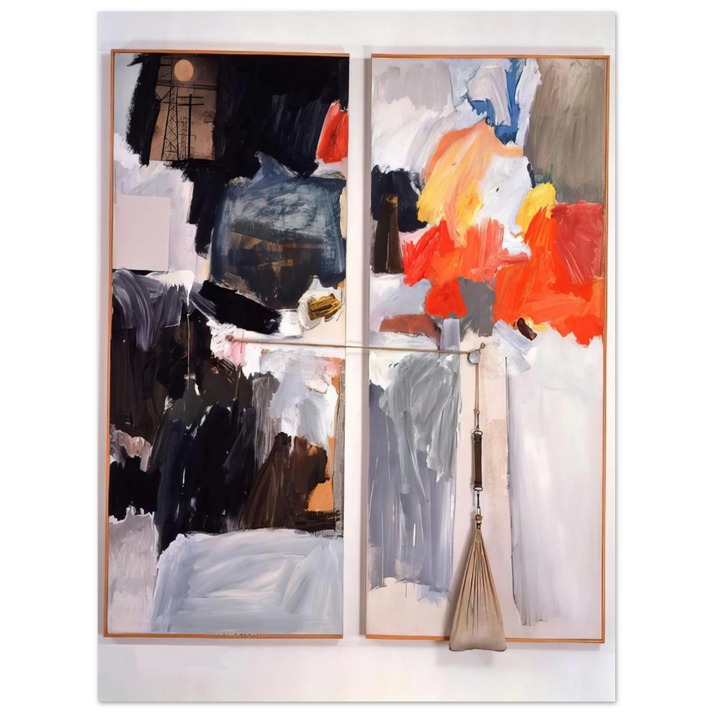
Robert Rauschenberg - STUDIO PAINTING 1961 75x100 cm / 30x40inches Fine Art Poster
Robert Rauschenberg - STUDIO PAINTING 1961 75x100 cm / 30x40inches Fine Art Poster
Couldn't load pickup availability
Robert Rauschenberg - STUDIO PAINTING 1961: A Masterpiece of Neo-Dada Innovation
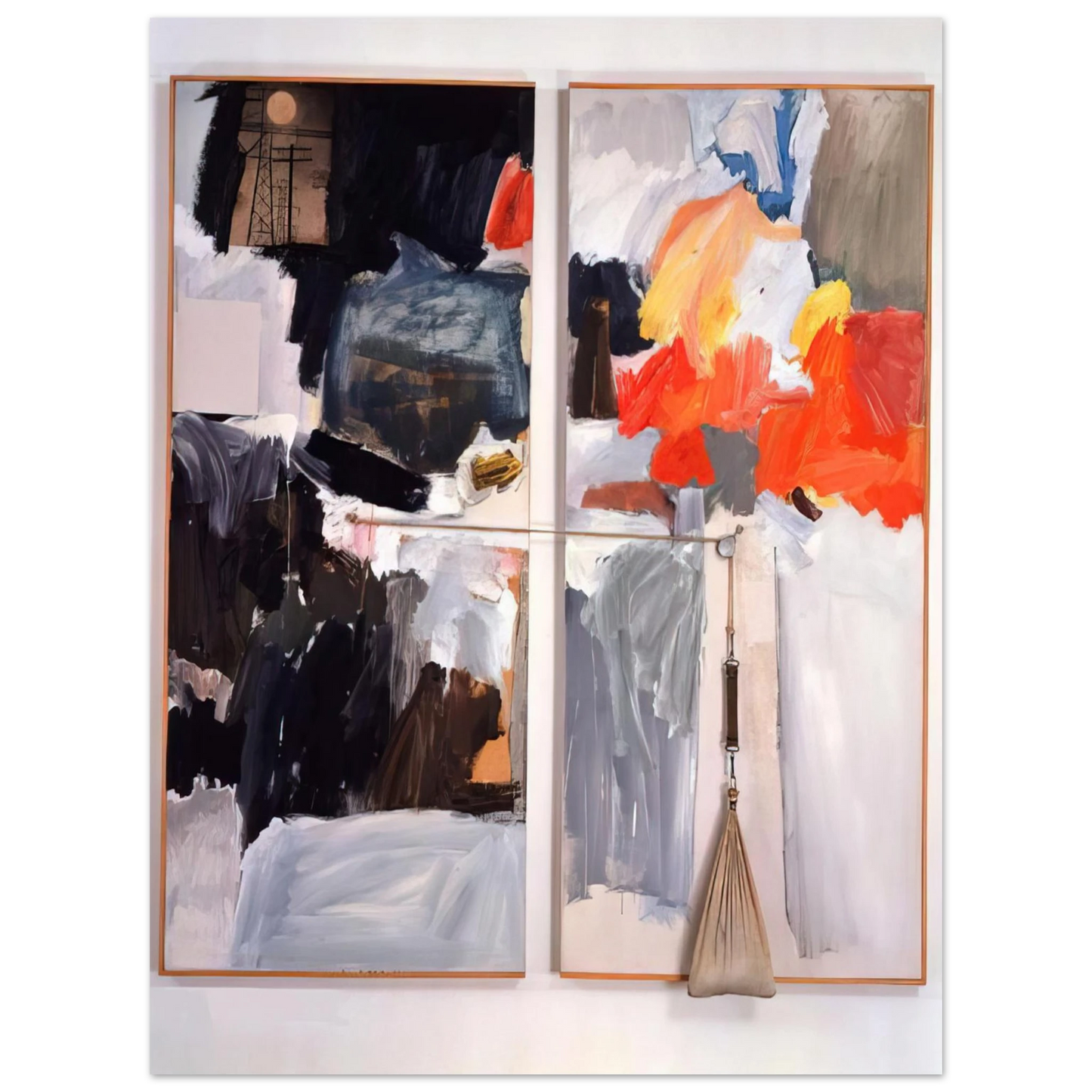
Immerse yourself in the groundbreaking vision of American artist Robert Rauschenberg with this museum-quality fine art print of STUDIO PAINTING 1961. Measuring 75x100 cm (30x40 inches), this archival reproduction captures the raw energy and experimental spirit of Rauschenberg's iconic work, which redefined the boundaries of painting and sculpture in the post-war era. As a pivotal figure in the Neo-Dada movement, Rauschenberg's combines—blending found objects, paint, and collage—challenged traditional art forms, making this piece a statement of artistic rebellion and creative freedom.
RedKalion presents this premium print on our exclusive Master's Edition archival paper, ensuring every detail of Rauschenberg's textured layers and bold composition is preserved with fidelity. The matte, uncoated finish in a natural white hue enhances the artwork's tactile quality, evoking the studio atmosphere of 1960s New York. Crafted from acid-free, FSC-certified paper with a weight of 250 gsm (0.29 mm thickness), this print is designed for longevity, resisting yellowing to maintain its vibrancy for generations. Elevate your space with an archival masterpiece that endures, printed on demand to meet your discerning standards.
- Dimensions: 75x100 cm / 30x40 inches
- Paper: Master's Edition archival, museum-quality, matte finish, natural white
- Archival Properties: Acid-free (pH above 7), FSC-certified, 250 gsm weight, 0.29 mm thickness
- Fulfillment: Printed and shipped on demand with no minimum orders
Discover Unlimited Art Possibilities
At RedKalion, you can find virtually any artwork from any artist, available in a wide range of sizes to perfectly match your space.
If you didn’t find what you’re looking for, contact us at support@redkalion.com . We will source any artwork and produce it in any size and format you need, including art prints, posters, canvas, framed pieces, framed canvas, and more.
For dedicated art enthusiasts, we also offer handcrafted replicas of any artwork, carefully painted by highly skilled artists using traditional techniques.
For custom requests, contact us at support@redkalion.com .
What is the historical significance of Robert Rauschenberg's STUDIO PAINTING 1961?
STUDIO PAINTING 1961 is a key example of Rauschenberg's Neo-Dada combines, blending painting and found objects to challenge art norms in the 1960s, reflecting post-war innovation and creative rebellion in fine art prints.
How does the Master's Edition archival paper enhance this fine art print?
Our Master's Edition archival paper offers museum-quality reproduction with a matte, uncoated finish and natural white hue, ensuring vibrant colors and texture for long-lasting, acid-free art prints.
What are the specifications for paper weight and thickness in this reproduction?
This print uses 250 gsm (110 lb) paper with a thickness of 0.29 mm (11.4 mils), providing durability and a premium feel for archival art reproductions.
How is the print shipped and what are the fulfillment options?
We print and ship on demand with no minimum orders, ensuring fast delivery of your museum-quality poster while reducing waste for sustainable art collections.
What makes this print archival and resistant to yellowing?
Made from acid-free paper with a pH above 7, this print prevents yellowing over time, offering long-lasting quality for fine art posters and reproductions.
What techniques did Rauschenberg use in STUDIO PAINTING 1961?
Rauschenberg employed combines, mixing paint, collage, and everyday objects to create textured, layered works that blurred lines between painting and sculpture in 1960s art.
Why is the matte finish chosen for this reproduction?
The matte, uncoated finish mimics the original artwork's texture, reducing glare and enhancing the natural white paper's luxurious feel for authentic museum-quality prints.