RedKalion
Robert Ryman - Conversion - 2003 75x100 cm / 30x40inches Fine Art Poster
Robert Ryman - Conversion - 2003 75x100 cm / 30x40inches Fine Art Poster
Couldn't load pickup availability
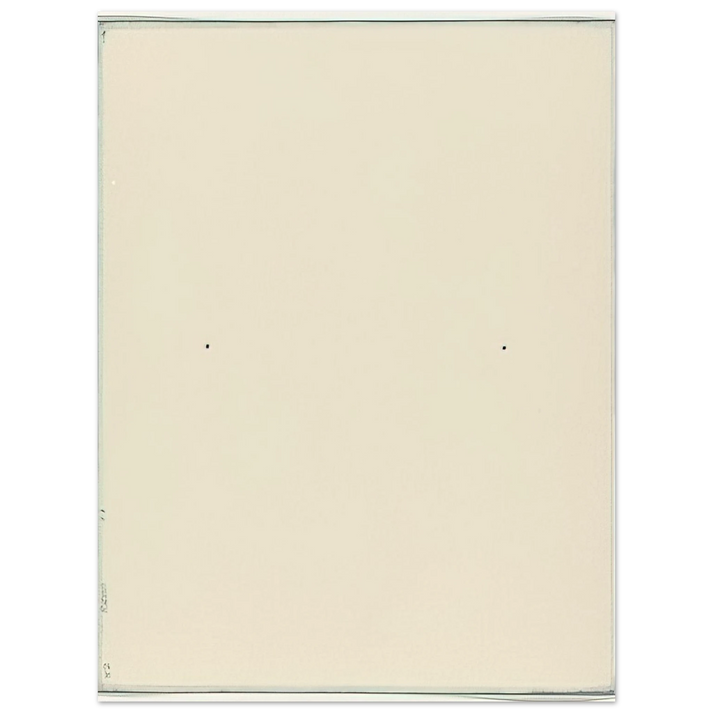
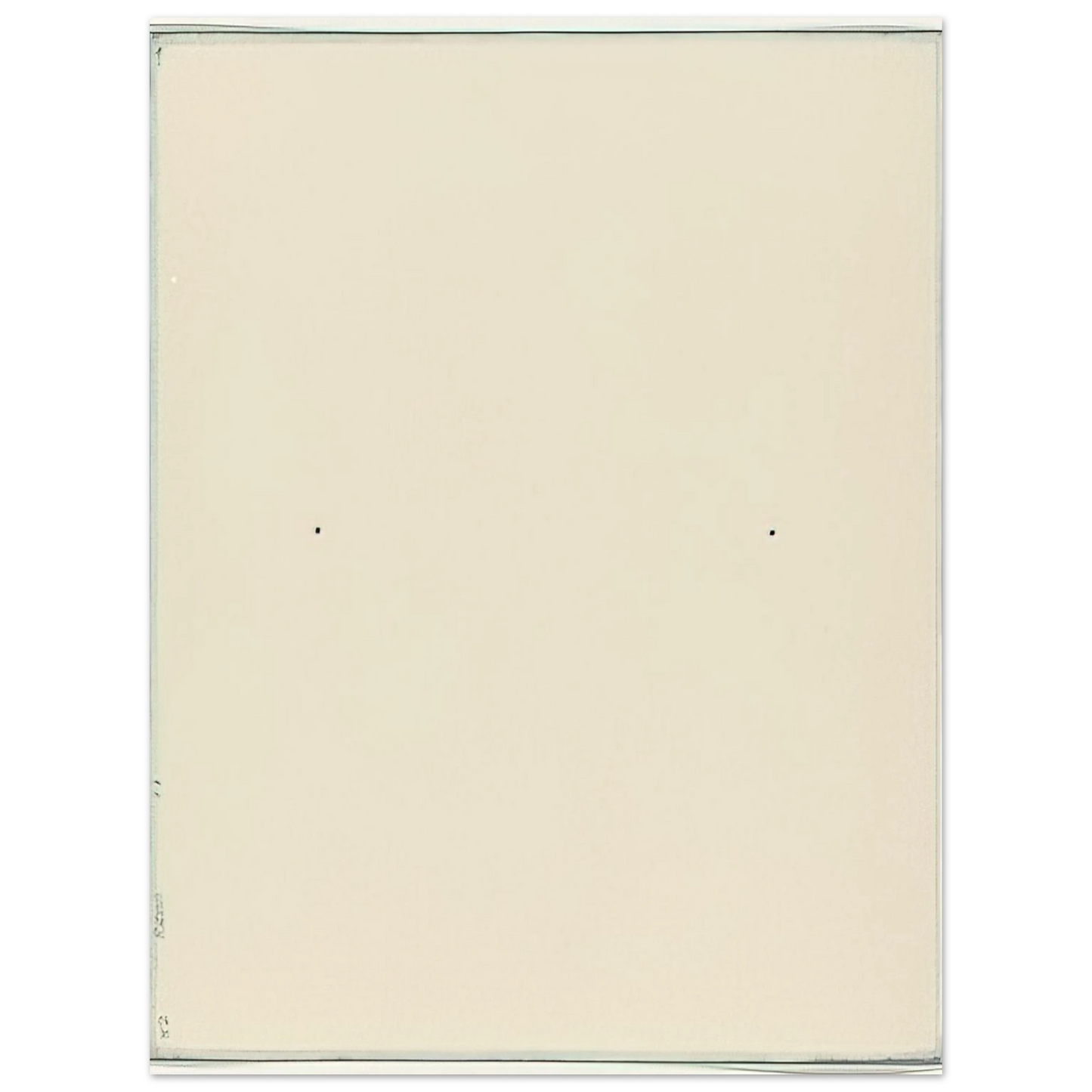
Robert Ryman - Conversion (2003) - Museum-Quality Fine Art Print
Experience the profound minimalism of Robert Ryman's Conversion (2003), a seminal work from the late career of this American abstract master. This piece exemplifies Ryman's lifelong exploration of white, light, and materiality, where the subtle interplay of brushstrokes and surface texture invites deep contemplation. Created in 2003, it reflects his mature style, focusing on the purity of monochrome to challenge perceptions of painting itself.
RedKalion presents this artwork as a premium fine art print, meticulously reproduced to honor Ryman's exacting standards. Our Master's Edition archival paper ensures every nuance of the original's texture and tone is captured, offering a museum-quality reproduction that brings elite artistry into your space.
Artistic Insight & Historical Context
Robert Ryman (1930-2019) is celebrated as a key figure in minimalist and monochrome art, often called "the painter of white." In Conversion, his technique involves layered applications of white paint on a square canvas, creating a dynamic surface that shifts with light. This work from 2003 underscores his belief that painting is about the physical act and material presence, not just imagery—a philosophy that revolutionized 20th-century art.
Premium Print Specifications
- Dimensions: 75 x 100 cm (30 x 40 inches), ideal for statement wall art.
- Paper: Master's Edition archival paper, FSC-certified for sustainability, with a natural white (off-white) matte finish that enhances texture without glare.
- Archival Quality: Acid-free (pH above 7) to prevent yellowing, ensuring longevity for generations.
- Weight & Thickness: 250 gsm (110 lb) and 0.29 mm (11.4 mils) for a substantial, luxurious feel.
- Fulfillment: Printed and shipped on demand with no minimum orders, offering personalized service.
Elevate your home or office with this archival masterpiece from RedKalion, where expert curation meets unparalleled reproduction quality. Each print is a testament to our commitment to preserving artistic legacy through durable, ethically sourced materials.
Discover Unlimited Art Possibilities
At RedKalion, you can find virtually any artwork from any artist, available in a wide range of sizes to perfectly match your space.
If you didn’t find what you’re looking for, contact us at support@redkalion.com . We will source any artwork and produce it in any size and format you need, including art prints, posters, canvas, framed pieces, framed canvas, and more.
For dedicated art enthusiasts, we also offer handcrafted replicas of any artwork, carefully painted by highly skilled artists using traditional techniques.
For custom requests, contact us at support@redkalion.com .
What are the dimensions of this Robert Ryman fine art print?
This museum-quality reproduction measures 75 x 100 cm (30 x 40 inches), perfect for creating a bold minimalist statement in any room.
What type of paper is used for this archival print?
We use Master's Edition archival paper, an FSC-certified, acid-free paper with a natural white matte finish to ensure a luxurious texture and prevent yellowing over time.
How is this print shipped and are there minimum orders?
It's printed and shipped on demand with no minimum orders, offering flexible fulfillment for your fine art poster needs.
What makes this print archival and long-lasting?
The acid-free paper (pH above 7) and 250 gsm weight ensure durability, making this a museum-quality reproduction that resists fading and deterioration.
Can you describe the finish and texture of this art print?
It features a matte, uncoated finish with a natural white color, providing a subtle, elegant texture that enhances Robert Ryman's minimalist aesthetic.
What is the historical significance of Robert Ryman's Conversion (2003)?
Created in 2003, this work reflects Ryman's mature exploration of white and materiality, cementing his legacy as a pioneer in minimalist abstract art focused on pure painting techniques.
How does Ryman's technique in Conversion differ from his earlier works?
In Conversion, Ryman uses layered white brushstrokes to create dynamic surface textures, emphasizing the physicality of paint and light, a refinement of his lifelong monochrome studies.