RedKalion
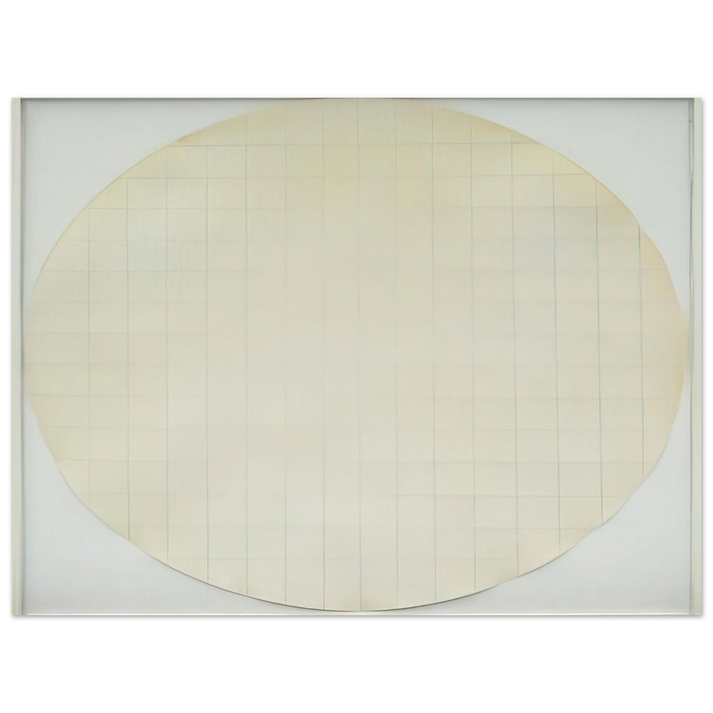
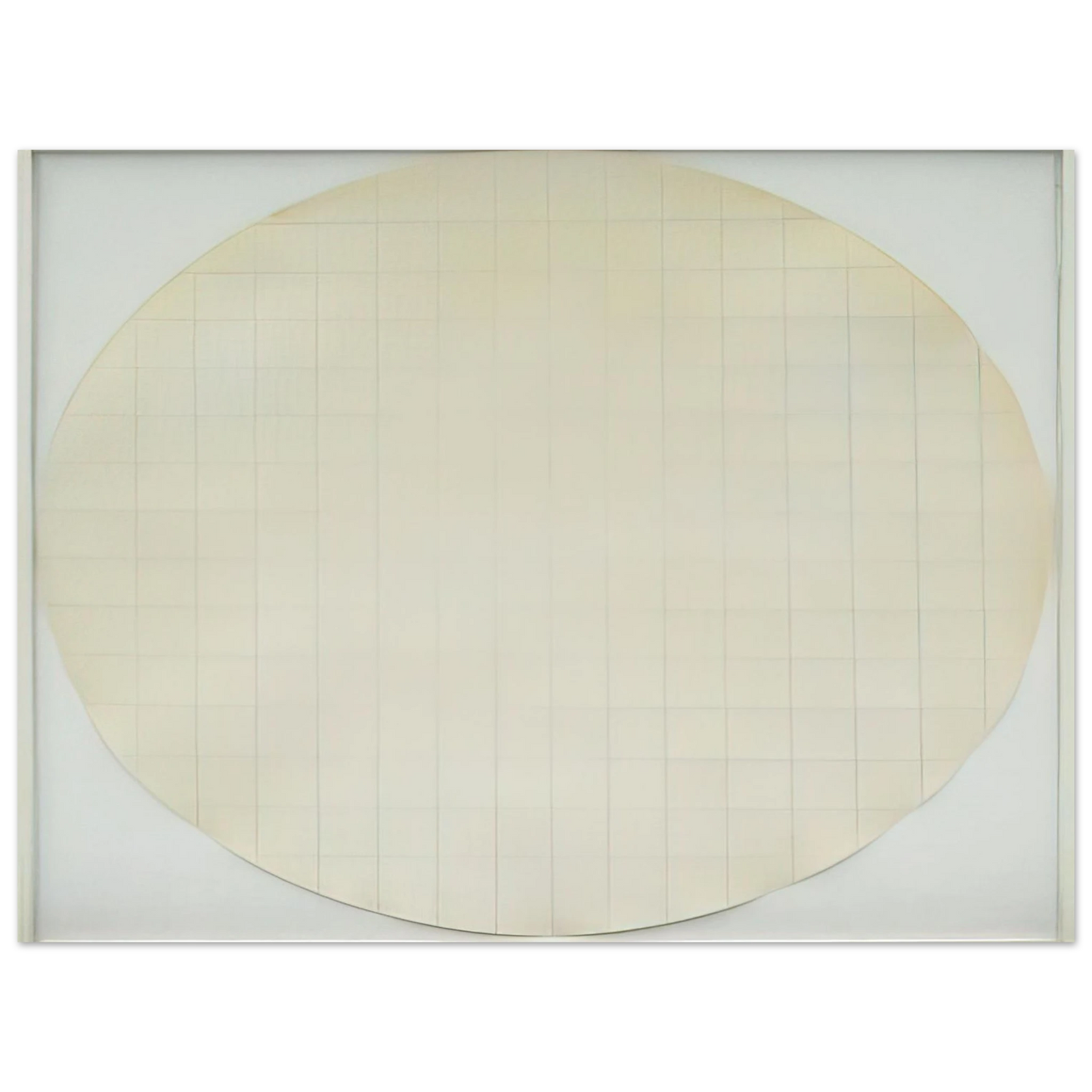
Robert Ryman - Eagle Turquoise 7H#4 - 1966 75x100 cm / 30x40inches Fine Art Poster
Robert Ryman - Eagle Turquoise 7H#4 - 1966 75x100 cm / 30x40inches Fine Art Poster
Couldn't load pickup availability
Robert Ryman - Eagle Turquoise 7H#4 (1966) - Museum-Quality Fine Art Print
Immerse yourself in the minimalist brilliance of Robert Ryman's Eagle Turquoise 7H#4, a seminal 1966 work that redefines abstraction through its restrained palette and textured surface. This fine art poster captures every nuance of Ryman's experimental approach, where white paint on a turquoise ground explores light, materiality, and spatial perception. As a key figure in the post-war avant-garde, Ryman's focus on monochrome and process invites contemplation, making this piece a timeless addition to modern interiors.
RedKalion presents this museum-quality reproduction on our exclusive Master's Edition archival paper. The matte, uncoated finish in a natural white hue enhances the artwork's tactile quality, while the 250 gsm (110 lb) weight and 0.29 mm thickness ensure durability. Crafted from acid-free, FSC-certified materials, this print resists yellowing, offering an archival masterpiece that endures for generations. Elevate your space with a piece that blends art historical significance with premium craftsmanship.
- Dimensions: 75 x 100 cm / 30 x 40 inches
- Paper: Master's Edition archival paper, museum-quality
- Finish: Matte, uncoated, natural white (off-white)
- Longevity: Acid-free (pH above 7) to prevent yellowing
- Weight & Thickness: 250 gsm (110 lb), 0.29 mm (11.4 mils)
- Sustainability: FSC-certified paper
- Fulfillment: Printed and shipped on demand, no minimum orders
Discover Unlimited Art Possibilities
At RedKalion, you can find virtually any artwork from any artist, available in a wide range of sizes to perfectly match your space.
If you didn’t find what you’re looking for, contact us at support@redkalion.com . We will source any artwork and produce it in any size and format you need, including art prints, posters, canvas, framed pieces, framed canvas, and more.
For dedicated art enthusiasts, we also offer handcrafted replicas of any artwork, carefully painted by highly skilled artists using traditional techniques.
For custom requests, contact us at support@redkalion.com .
What is the significance of Robert Ryman's Eagle Turquoise 7H#4 from 1966?
Eagle Turquoise 7H#4 is a pivotal 1966 work by Robert Ryman, showcasing his minimalist exploration of white paint on a turquoise ground to study light and texture, cementing his role in post-war abstract art.
How does the Master's Edition archival paper enhance this fine art print?
Our Master's Edition archival paper offers a museum-quality matte finish with 250 gsm weight and acid-free properties, ensuring vibrant colors and long-lasting durability for this Robert Ryman reproduction.
What are the shipping and fulfillment details for this artwork?
This print is produced on demand with no minimum orders, using sustainable FSC-certified paper, and shipped securely to preserve its quality during delivery.
How does the acid-free paper prevent yellowing over time?
The acid-free paper (pH above 7) in this archival print resists chemical degradation, preventing yellowing and ensuring the artwork's colors remain true for decades.
Can you describe the texture and finish of this museum-quality poster?
This fine art poster features a luxurious matte, uncoated finish on natural white paper, providing a tactile texture that mimics the original artwork's surface.
What artistic techniques did Robert Ryman use in Eagle Turquoise 7H#4?
Ryman employed layered white paint on a turquoise background, focusing on brushwork and material interaction to create subtle variations in light and depth in this 1966 piece.
Why is the 75x100 cm / 30x40 inches size ideal for this print?
This size accurately scales Ryman's original composition, allowing the minimalist details and textured effects to be fully appreciated in home or gallery settings.