RedKalion
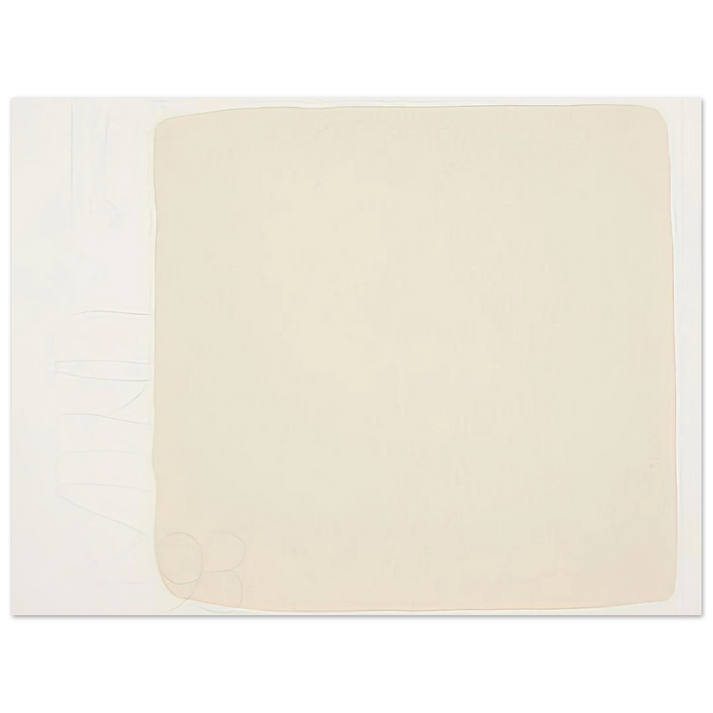
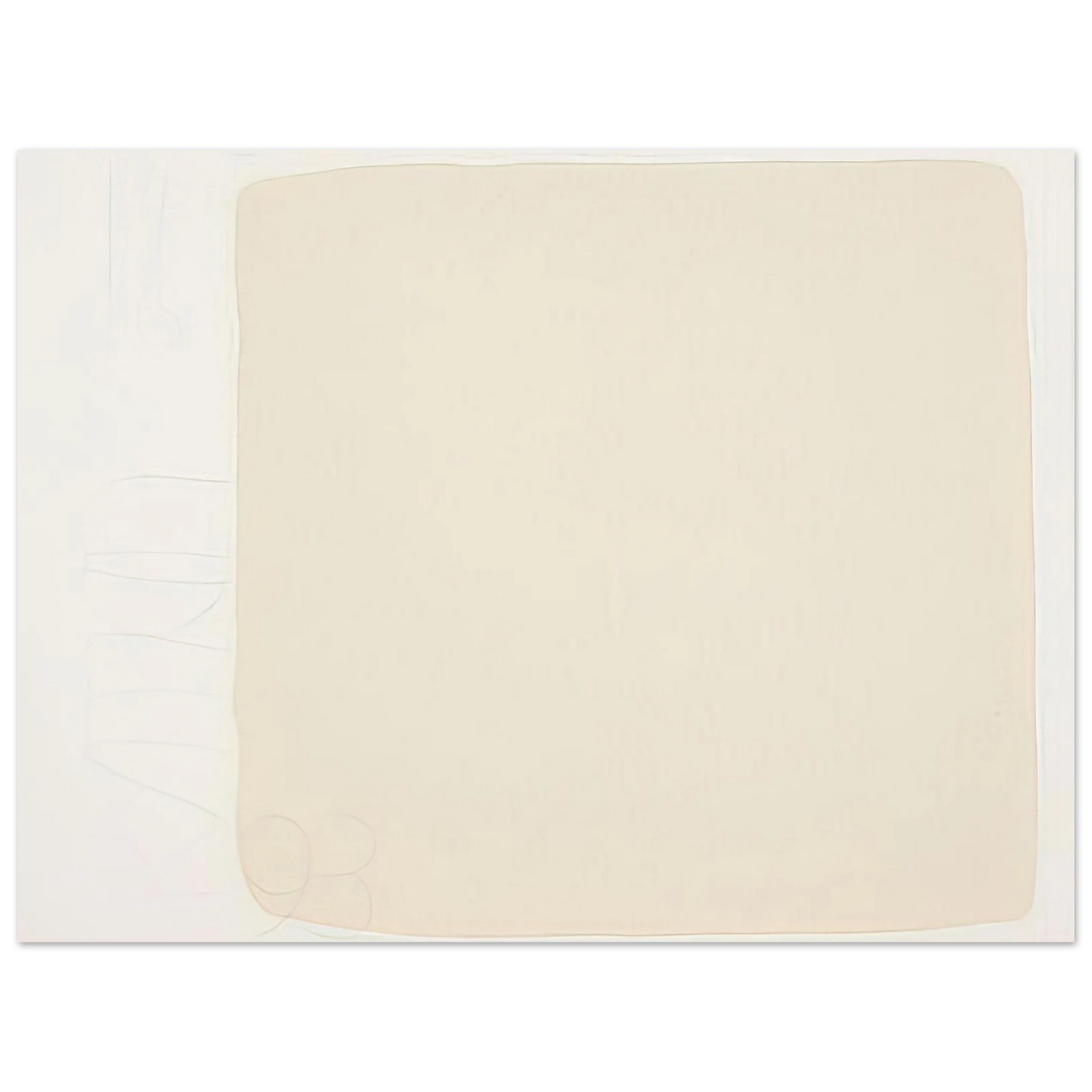
Robert Ryman - Untitled, from BAM III 75x100 cm / 30x40inches Fine Art Poster
Robert Ryman - Untitled, from BAM III 75x100 cm / 30x40inches Fine Art Poster
Couldn't load pickup availability
Robert Ryman - Untitled, from BAM III: A Minimalist Masterpiece
This fine art print captures Robert Ryman's iconic Untitled, from BAM III, a seminal work from the 1970s that redefined the boundaries of abstract painting. Ryman, a key figure in the Minimalist movement, explores the pure essence of art through his restrained use of white paint on square canvases, inviting viewers to contemplate texture, light, and surface. This piece exemplifies his philosophy of "painting as object," where the materiality of the artwork—its brushstrokes, edges, and support—becomes the subject itself. It evokes a serene, meditative mood, perfect for modern interiors seeking sophistication and depth.
At RedKalion, we honor this legacy with a museum-quality reproduction printed on our exclusive Master's Edition archival paper. This premium, matte, uncoated surface in a natural white hue replicates the luxurious texture of Ryman's original, ensuring every subtle detail is preserved. The paper is acid-free (pH above 7) to prevent yellowing, FSC-certified for sustainability, and boasts a substantial weight of 250 gsm (110 lb) with a thickness of 0.29 mm (11.4 mils) for enduring durability. Printed and shipped on demand with no minimum orders, this piece arrives ready to elevate your space with an archival masterpiece that endures.
- Artwork: Robert Ryman - Untitled, from BAM III
- Dimensions: 75x100 cm / 30x40 inches
- Paper: Master's Edition archival paper, museum-quality
- Finish: Matte, uncoated, natural white (off-white)
- Longevity: Acid-free (pH above 7)
- Weight & Thickness: 250 gsm (110 lb), 0.29 mm (11.4 mils)
- Sustainability: FSC-certified paper
- Fulfillment: Printed and shipped on demand, no minimum orders
Discover Unlimited Art Possibilities
At RedKalion, you can find virtually any artwork from any artist, available in a wide range of sizes to perfectly match your space.
If you didn’t find what you’re looking for, contact us at support@redkalion.com . We will source any artwork and produce it in any size and format you need, including art prints, posters, canvas, framed pieces, framed canvas, and more.
For dedicated art enthusiasts, we also offer handcrafted replicas of any artwork, carefully painted by highly skilled artists using traditional techniques.
For custom requests, contact us at support@redkalion.com .
What is the significance of Robert Ryman's Untitled, from BAM III?
This artwork is a key example of Ryman's Minimalist style from the 1970s, focusing on white paint and square formats to explore texture and materiality, often called "painting as object" in art history.
How does the paper quality enhance this fine art print?
Our Master's Edition archival paper is museum-quality, with a matte, uncoated finish in natural white to replicate Ryman's textures, ensuring a premium reproduction for your collection.
What are the specifications of the paper used?
The paper is acid-free (pH above 7) to prevent yellowing, FSC-certified, 250 gsm (110 lb) weight, and 0.29 mm (11.4 mils) thick, offering durability and a luxurious feel.
How is this print shipped and delivered?
We print and ship on demand with no minimum orders, ensuring each Robert Ryman reproduction is handled with care for secure delivery.
How long will this archival print last?
With acid-free materials and high-quality inks, this print resists fading and yellowing, designed to endure as a long-lasting piece of art.
Why did Ryman often use white in his paintings?
Ryman used white to eliminate color distractions, emphasizing the physical properties of paint and canvas, which became central to his Minimalist approach.
What does "BAM III" refer to in the title?
"BAM III" likely references a series or exhibition context from the 1970s, part of Ryman's exploration of serial works within his broader oeuvre.