RedKalion
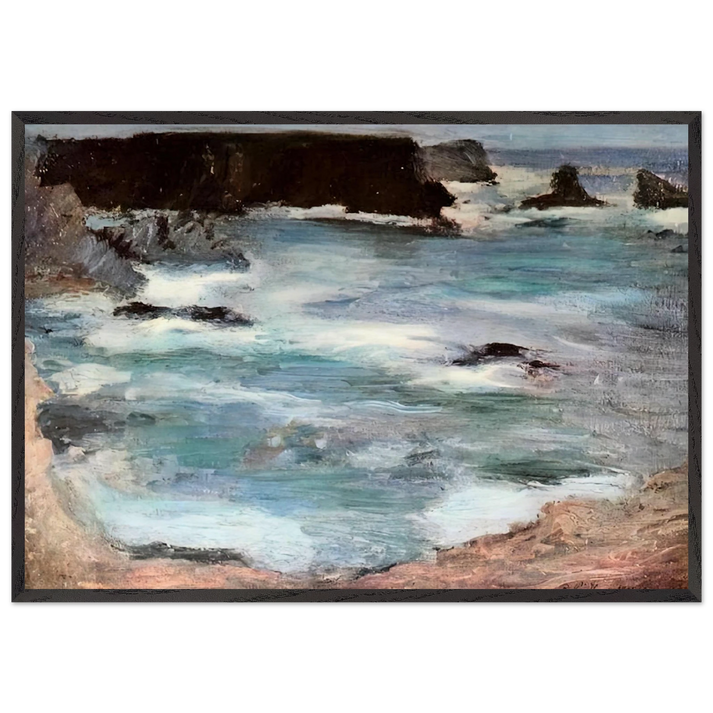
ROCHERS A BELLE ILE 1896 0 - Henri Matisse 70x100 cm / 28x40 inches Framed Art Print – Black Wooden Frame
ROCHERS A BELLE ILE 1896 0 - Henri Matisse 70x100 cm / 28x40 inches Framed Art Print – Black Wooden Frame
Couldn't load pickup availability
Rochers à Belle Île (1896) by Henri Matisse – Framed Art Print
Experience the raw, elemental power of the French coast with this museum-quality framed art print of Henri Matisse's Rochers à Belle Île (1896). This pivotal early work captures Matisse's exploration of Impressionist techniques, depicting the rugged cliffs and turbulent sea of Belle Île-en-Mer with dynamic brushstrokes and a vivid, natural palette. It marks a crucial moment in his artistic evolution, foreshadowing the bold color experiments that would define his Fauvist masterpieces.
RedKalion presents this archival-grade reproduction on 250 gsm (110 lb) matte, uncoated museum-quality paper, ensuring exceptional detail and color fidelity. The print is elegantly framed in a 20mm thick black wooden frame crafted from responsibly sourced oak and ash wood, offering a substantial, gallery-worthy presence. Protected by shatterproof plexiglass, this piece arrives ready-to-hang with a complete hanging kit, allowing you to elevate your space with a timeless masterpiece that endures.
- Artwork: Rochers à Belle Île (1896) by Henri Matisse
- Print Size: 70x100 cm / 28x40 inches
- Frame: Black wooden frame (20mm thick, responsibly sourced oak and ash wood)
- Paper: 250 gsm matte archival museum-quality paper, FSC-certified
- Protection: Shatterproof plexiglass
- Ready-to-Hang: Includes hanging kit

Discover Unlimited Art Possibilities
At RedKalion, you can find virtually any artwork from any artist, available in a wide range of sizes to perfectly match your space.
If you didn’t find what you’re looking for, contact us at support@redkalion.com . We will source any artwork and produce it in any size and format you need, including art prints, posters, canvas, framed pieces, framed canvas, and more.
For dedicated art enthusiasts, we also offer handcrafted replicas of any artwork, carefully painted by highly skilled artists using traditional techniques.
For custom requests, contact us at support@redkalion.com .
What is the historical significance of Rochers à Belle Île by Henri Matisse?
Painted in 1896, this early work shows Matisse experimenting with Impressionist techniques during a visit to Belle Île-en-Mer, capturing the rugged coastal landscape with dynamic brushwork that foreshadowed his later Fauvist style.
How does this fine art print reproduce the original artwork's details?
Our museum-quality print uses high-resolution imaging and 250 gsm archival paper to ensure accurate color fidelity and sharp detail, faithfully replicating Matisse's brushstrokes and coastal scene.
What are the specifications of the black wooden frame?
The frame is 20mm thick, made from responsibly sourced oak and ash wood, and wider than classic 14mm frames for a substantial, gallery-worthy look that complements this Matisse art print.
Is this framed art print ready to hang?
Yes, it includes a complete hanging kit and arrives ready-to-hang, so you can display your Henri Matisse reproduction immediately without additional setup.
How durable and archival is the print and framing?
The print uses 250 gsm FSC-certified archival paper and shatterproof plexiglass, ensuring long-lasting protection against fading and damage for your museum-quality reproduction.
What shipping and care does this piece require?
We ship securely packaged; avoid direct sunlight and high humidity to preserve the print's quality. The frame and plexiglass are easy to clean with a soft cloth.
Why did Matisse choose Belle Île for this painting?
Matisse visited Belle Île in 1896 inspired by its dramatic cliffs and sea, using the location to practice outdoor painting and develop his early Impressionist-influenced technique.