

RedKalion
ROCKS AT ANTHEOR 1906 - Theo van Rysselberghe Acrylic Print - 70x100 cm / 28x40″ inches
ROCKS AT ANTHEOR 1906 - Theo van Rysselberghe Acrylic Print - 70x100 cm / 28x40″ inches
Couldn't load pickup availability
Rocks at Anthéor 1906 by Theo van Rysselberghe: A Pointillist Masterpiece
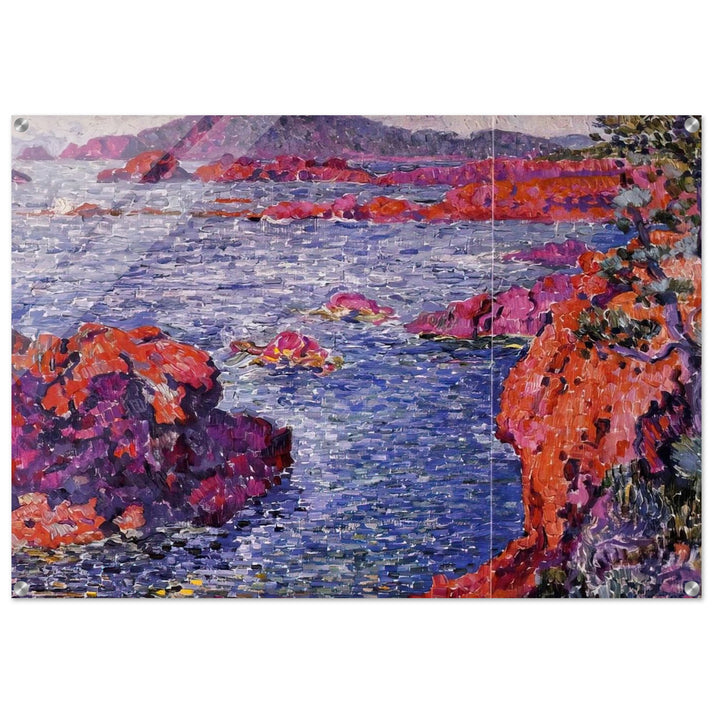
Immerse yourself in the radiant Mediterranean light captured in Rocks at Anthéor 1906, a seminal work by Belgian Neo-Impressionist master Theo van Rysselberghe. This fine art print showcases van Rysselberghe's virtuosic use of Pointillism, where thousands of meticulously placed dots of pure color coalesce into a shimmering coastal landscape. Painted during his transformative years in the South of France, this piece reflects the artist's deep engagement with the scientific color theories of Georges Seurat, resulting in a luminous, almost vibrating depiction of the rugged Anthéor coastline near Saint-Raphaël.
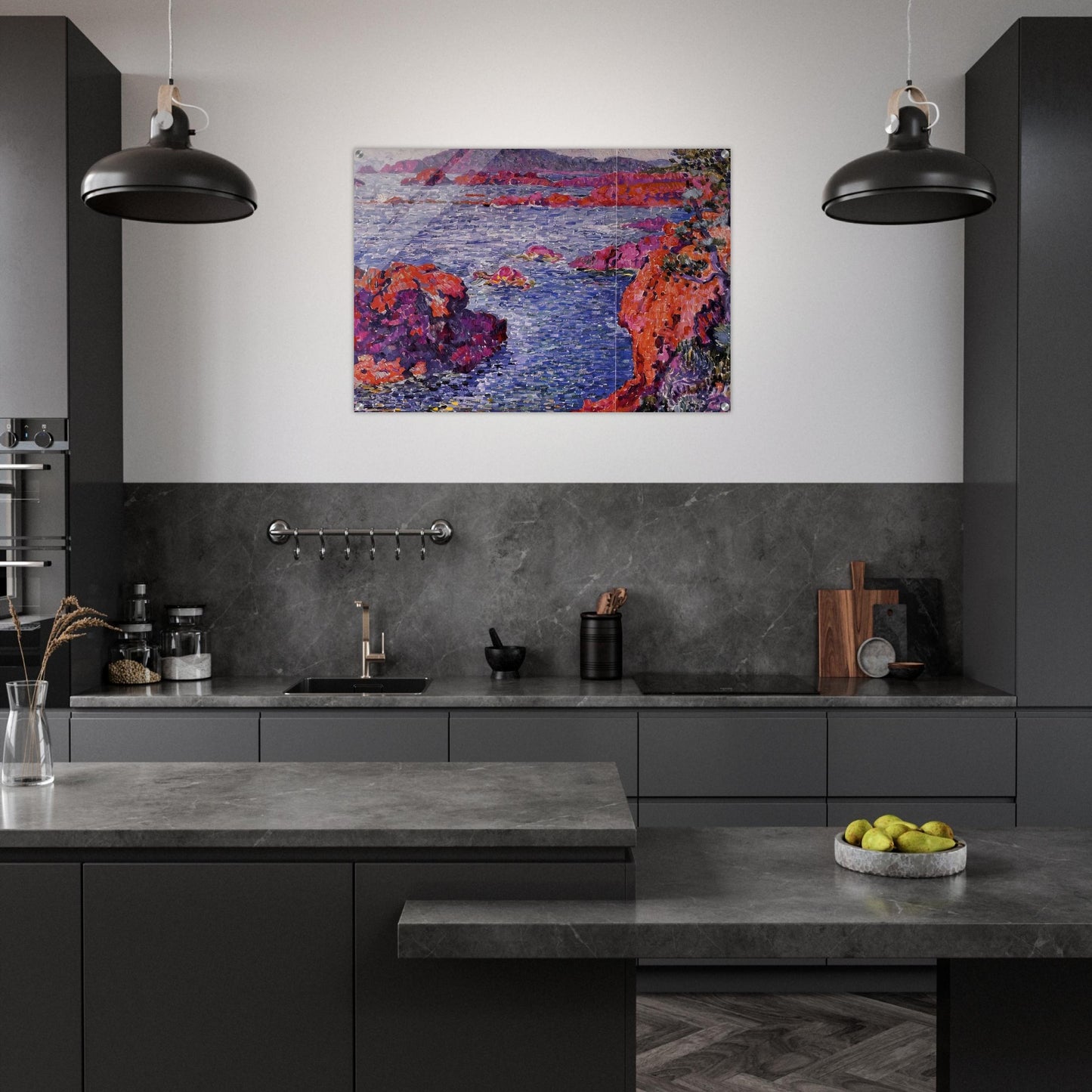
RedKalion presents this museum-quality reproduction as a premium acrylic print, measuring 70x100 cm (28x40 inches), to bring the brilliance of van Rysselberghe's technique into your contemporary space. Crafted with a 4mm (0.15") acrylic face, this archival-grade print offers exceptional color saturation and a sleek, durable finish that resists fading. The straight-cut corners and modern design ensure a sophisticated presentation, with transparent backgrounds defaulting to white for optimal visual impact.
Each print includes a complete hanging kit—hardware, screws, and pre-drilled screw holes at each corner (positioned 14mm/0.55" from the edge, with an 8mm/0.31" diameter hole and 15mm/0.6" screw head)—for effortless, gallery-ready installation. Elevate your home or office with a Pointillist art print that combines historical significance with cutting-edge preservation technology, offering a timeless window into the innovative spirit of early 20th-century European art.


Discover Unlimited Art Possibilities
At RedKalion, you can find virtually any artwork from any artist, available in a wide range of sizes to perfectly match your space.
If you didn’t find what you’re looking for, contact us at support@redkalion.com . We will source any artwork and produce it in any size and format you need, including art prints, posters, canvas, framed pieces, framed canvas, and more.
For dedicated art enthusiasts, we also offer handcrafted replicas of any artwork, carefully painted by highly skilled artists using traditional techniques.
For custom requests, contact us at support@redkalion.com .
What is the historical significance of Rocks at Anthéor 1906?
Painted by Theo van Rysselberghe, a key figure in the Neo-Impressionist movement, this 1906 work exemplifies Pointillist technique, using tiny dots of color to capture the luminous Mediterranean light, reflecting avant-garde color theory from early 20th-century European art.
How does the acrylic print enhance the artwork's details?
The 4mm acrylic face provides vibrant color saturation and a sleek finish, making van Rysselberghe's intricate Pointillist dots appear sharp and luminous, ideal for a museum-quality reproduction of this fine art print.
What are the specifications for the 70x100 cm acrylic print?
This premium print measures 70x100 cm (28x40 inches), features straight-cut corners for a modern look, and includes a hanging kit with pre-drilled holes 14mm from the edge for easy installation of your archival art piece.
How durable and archival is this acrylic print?
Made with 4mm acrylic, it offers a durable, fade-resistant finish that protects the Pointillist artwork, ensuring long-lasting vibrancy as a high-quality fine art reproduction for your space.
What is included in the hanging kit for installation?
The kit includes hardware, screws, and screw holes at each corner (14mm from the edge, 8mm diameter, 15mm screw head) for secure, gallery-ready hanging of your 70x100 cm acrylic print.
Why did Theo van Rysselberghe choose the Anthéor coastline as a subject?
Van Rysselberghe was drawn to the South of France for its intense light, using the rugged Anthéor rocks to experiment with Pointillism's color contrasts, creating dynamic textures in this Neo-Impressionist landscape.
How does the white background enhance the presentation of this print?
Transparent backgrounds default to white, optimizing contrast and focus on van Rysselberghe's vibrant dots, ensuring the Pointillist masterpiece stands out elegantly in any modern interior setting.