RedKalion
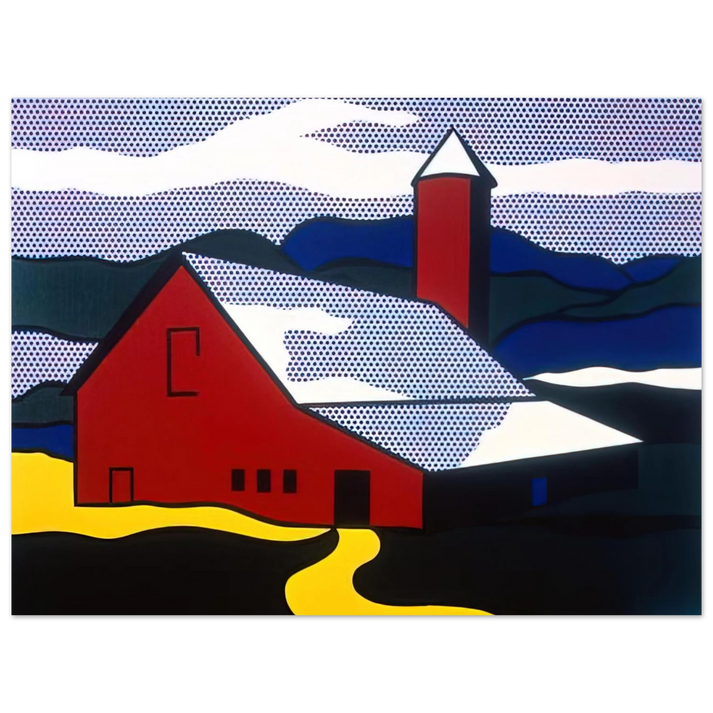
Roy Lichtenstein - RED BARN II 1969 75x100 cm / 30x40inches Fine Art Poster
Roy Lichtenstein - RED BARN II 1969 75x100 cm / 30x40inches Fine Art Poster
Couldn't load pickup availability
Roy Lichtenstein - RED BARN II 1969: A Pop Art Masterpiece
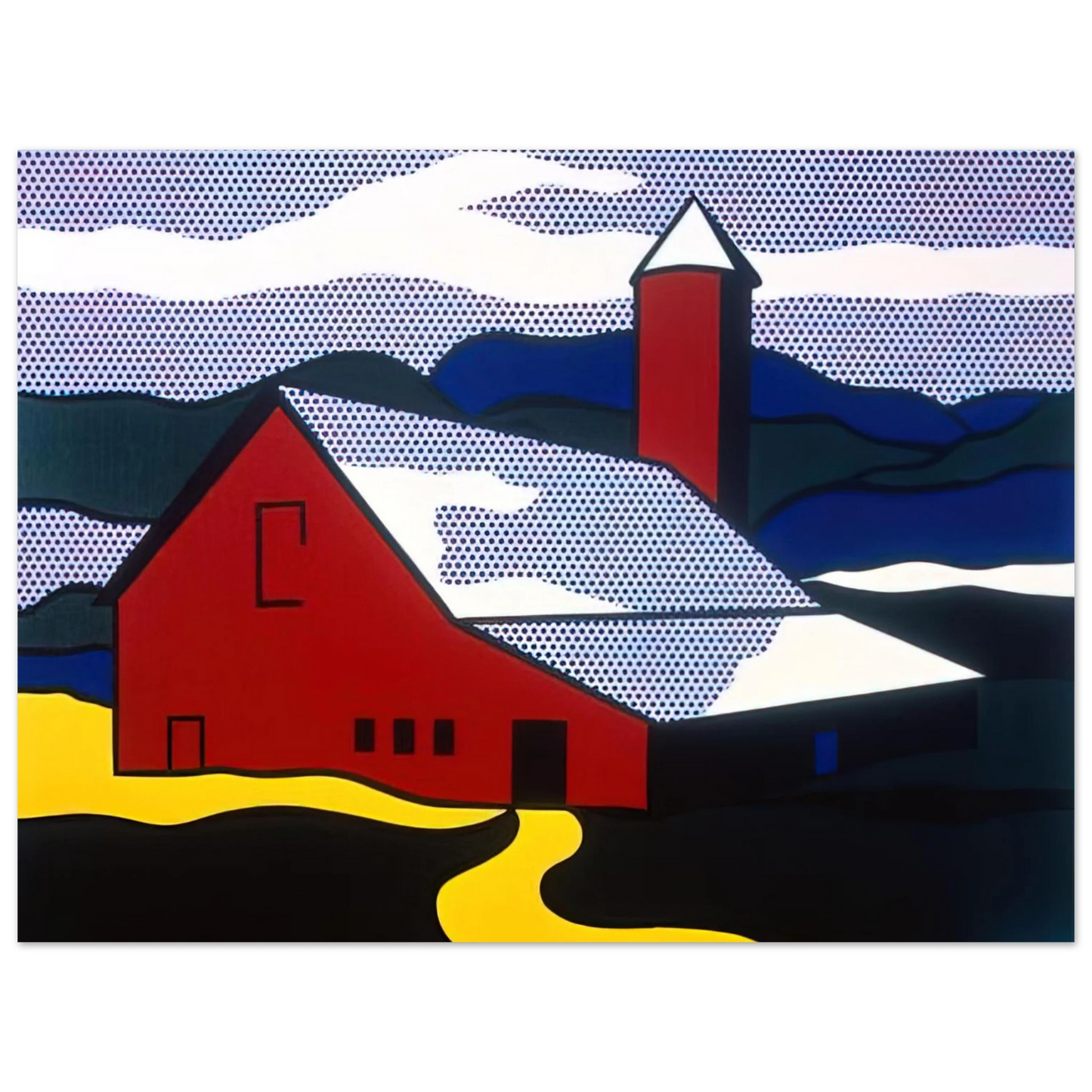
Immerse yourself in the bold, graphic world of American Pop Art with this museum-quality fine art print of Roy Lichtenstein's iconic RED BARN II from 1969. Measuring 75x100 cm (30x40 inches), this reproduction captures the vibrant energy and precise comic-book aesthetic that defined Lichtenstein's revolutionary style. The artwork transforms a quintessential rural subject into a striking commentary on mass media and consumer culture, using his signature Ben-Day dots and thick black outlines to create a visually arresting piece that commands attention in any modern interior.
RedKalion presents this archival masterpiece on our exclusive Master's Edition archival paper, ensuring a premium, gallery-worthy finish. The matte, uncoated surface in a natural white hue enhances the artwork's depth and texture, while the acid-free composition (pH above 7) guarantees it will resist yellowing for generations. Crafted from FSC-certified paper with a substantial weight of 250 gsm (110 lb) and a thickness of 0.29 mm (11.4 mils), this print offers a luxurious feel that mirrors the quality of original works. Printed and shipped on demand with no minimum orders, it's your opportunity to own a piece of art history that elevates your space with enduring sophistication.
- Artwork Details: Roy Lichtenstein - RED BARN II (1969), 75x100 cm / 30x40 inches fine art poster.
- Paper Quality: Master's Edition archival paper, museum-grade with a matte, uncoated finish in natural white.
- Archival Standards: Acid-free (pH above 7) for longevity, FSC-certified for sustainability.
- Physical Specs: 250 gsm (110 lb) weight, 0.29 mm (11.4 mils) thickness.
- Fulfillment: Printed and shipped on demand, no minimum orders required.
Discover Unlimited Art Possibilities
At RedKalion, you can find virtually any artwork from any artist, available in a wide range of sizes to perfectly match your space.
If you didn’t find what you’re looking for, contact us at support@redkalion.com . We will source any artwork and produce it in any size and format you need, including art prints, posters, canvas, framed pieces, framed canvas, and more.
For dedicated art enthusiasts, we also offer handcrafted replicas of any artwork, carefully painted by highly skilled artists using traditional techniques.
For custom requests, contact us at support@redkalion.com .
What are the dimensions of this Roy Lichtenstein fine art print?
This museum-quality reproduction measures 75x100 cm (30x40 inches), perfect for creating a bold statement in any room with its Pop Art aesthetic.
What type of paper is used for this archival print?
It's printed on Master's Edition archival paper, featuring a matte, uncoated finish in natural white for a luxurious texture that enhances Lichtenstein's graphic style.
How does the acid-free paper ensure longevity for my art print?
The acid-free composition (pH above 7) prevents yellowing over time, making this a durable investment for preserving the vibrant colors of RED BARN II.
What is the weight and thickness of this fine art poster?
With a weight of 250 gsm (110 lb) and thickness of 0.29 mm (11.4 mils), it offers a premium feel suitable for framing and display.
How is this print shipped and are there minimum orders?
It's printed and shipped on demand with no minimum orders, ensuring a personalized and efficient delivery process for your art collection.
What is the historical significance of RED BARN II in Pop Art?
Created in 1969, RED BARN II exemplifies Roy Lichtenstein's use of Ben-Day dots and bold lines to transform everyday imagery into iconic commentary on media and culture.
How does Lichtenstein's technique in this artwork reflect his style?
He employs comic-book aesthetics with thick outlines and dot patterns, highlighting his focus on mass production and visual simplicity in American art.