RedKalion
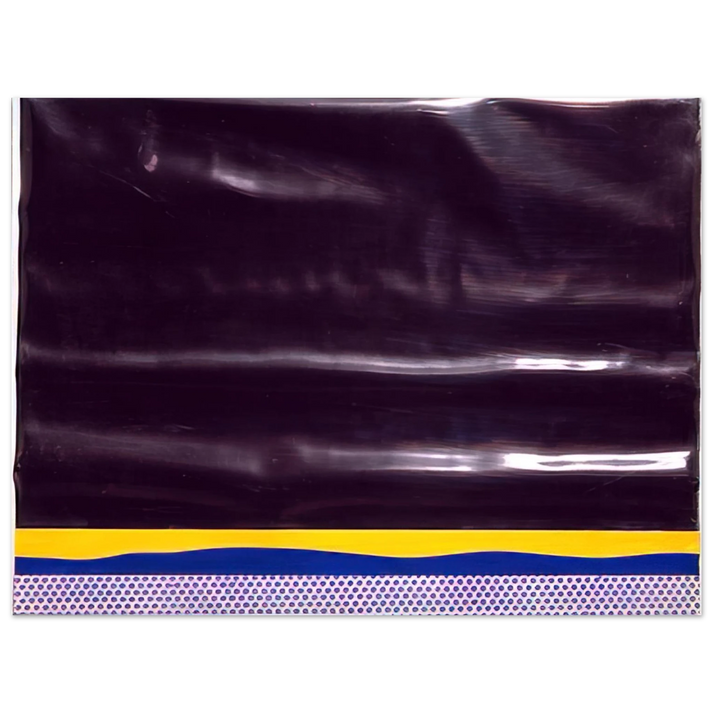
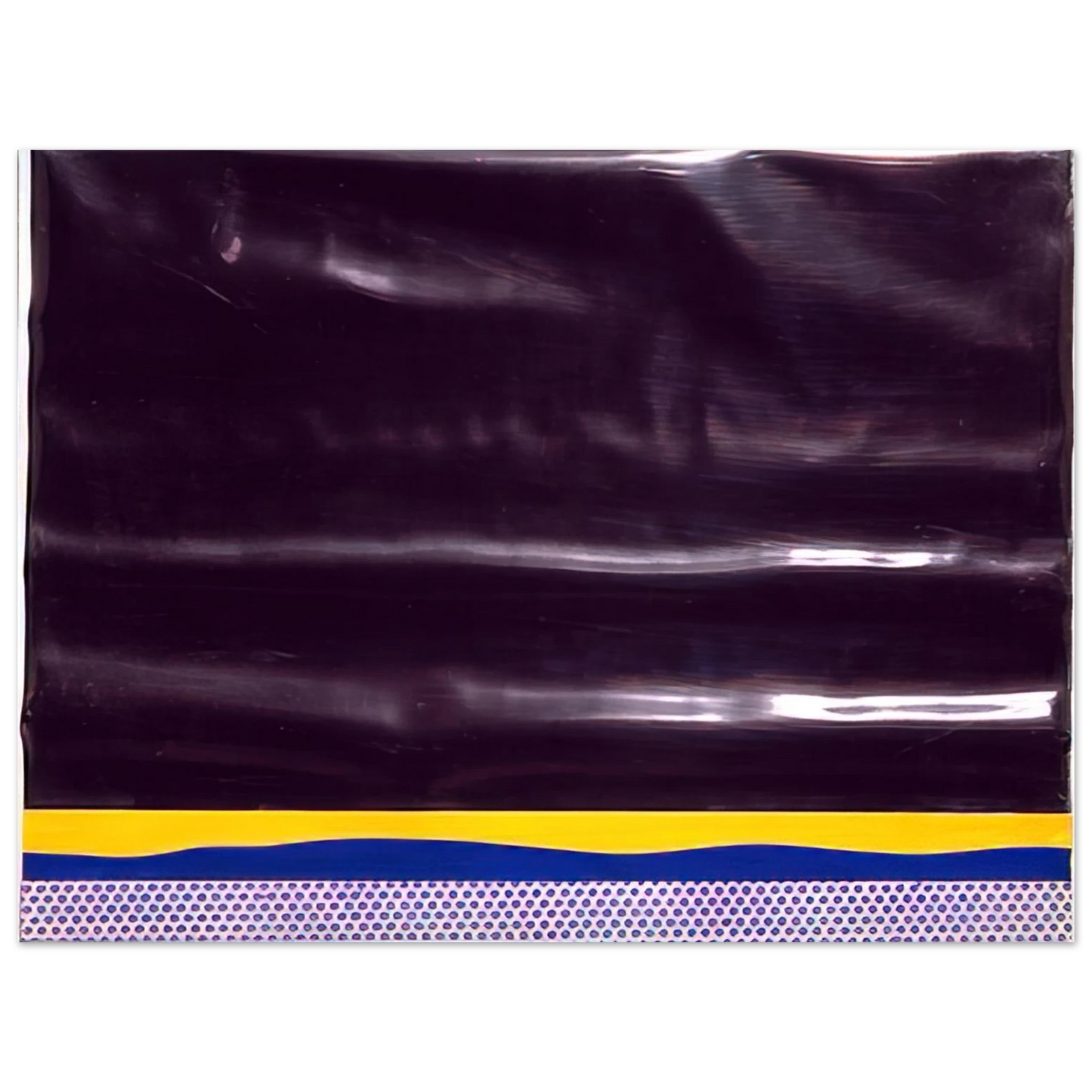
Roy Lichtenstein - YELLOW LANDSCAPE 1965 75x100 cm / 30x40inches Fine Art Poster
Roy Lichtenstein - YELLOW LANDSCAPE 1965 75x100 cm / 30x40inches Fine Art Poster
Couldn't load pickup availability
Roy Lichtenstein - YELLOW LANDSCAPE 1965: A Pop Art Masterpiece
Immerse yourself in the bold, graphic world of Pop Art with this museum-quality fine art print of Roy Lichtenstein's YELLOW LANDSCAPE from 1965. This iconic work, measuring 75x100 cm (30x40 inches), exemplifies Lichtenstein's revolutionary use of Ben-Day dots, primary colors, and comic-strip aesthetics to transform everyday imagery into high art. The vibrant yellow hue dominates the composition, evoking a sense of sunny optimism and mid-century modern energy, making it a striking focal point for contemporary interiors.
RedKalion presents this archival reproduction on our exclusive Master's Edition archival paper, ensuring a luxurious, matte finish that captures every detail of Lichtenstein's precise technique. The natural white (off-white), uncoated surface provides a subtle texture reminiscent of original prints, while the acid-free (pH above 7) composition guarantees longevity without yellowing over time. Crafted from FSC-certified paper with a weight of 250 gsm (110 lb) and thickness of 0.29 mm (11.4 mils), this piece combines durability with eco-consciousness, printed and shipped on demand with no minimum orders.
Elevate your space with an archival masterpiece that endures, backed by RedKalion's expertise in curating world-class reproductions for discerning collectors and art enthusiasts.
Discover Unlimited Art Possibilities
At RedKalion, you can find virtually any artwork from any artist, available in a wide range of sizes to perfectly match your space.
If you didn’t find what you’re looking for, contact us at support@redkalion.com . We will source any artwork and produce it in any size and format you need, including art prints, posters, canvas, framed pieces, framed canvas, and more.
For dedicated art enthusiasts, we also offer handcrafted replicas of any artwork, carefully painted by highly skilled artists using traditional techniques.
For custom requests, contact us at support@redkalion.com .
What are the dimensions of this Roy Lichtenstein print?
This fine art poster measures 75x100 cm, which is equivalent to 30x40 inches, making it a substantial piece ideal for gallery-style displays in living rooms or offices.
What type of paper is used for this museum-quality reproduction?
It's printed on Master's Edition archival paper, featuring a matte, uncoated finish with a natural white (off-white) color for a luxurious texture that enhances the Pop Art aesthetics.
How is this print shipped and are there minimum orders?
We offer on-demand printing and shipping with no minimum orders, ensuring efficient fulfillment and reducing waste for this sustainable art piece.
Will this print yellow over time?
No, the acid-free paper (pH above 7) prevents yellowing, ensuring long-lasting vibrancy for your archival Roy Lichtenstein artwork.
What is the weight and thickness of the paper?
The paper is 250 gsm (110 lb) with a thickness of 0.29 mm (11.4 mils), providing a durable and premium feel for this high-quality art print.
What artistic technique did Lichtenstein use in YELLOW LANDSCAPE?
Lichtenstein employed Ben-Day dots, a printing process from comics, to create texture and depth, blending fine art with popular culture in this 1965 piece.
Why is YELLOW LANDSCAPE significant in Pop Art history?
It showcases Lichtenstein's innovation in elevating mundane landscapes through bold colors and graphic styles, reflecting 1960s consumer culture and challenging traditional art norms.