
RedKalion
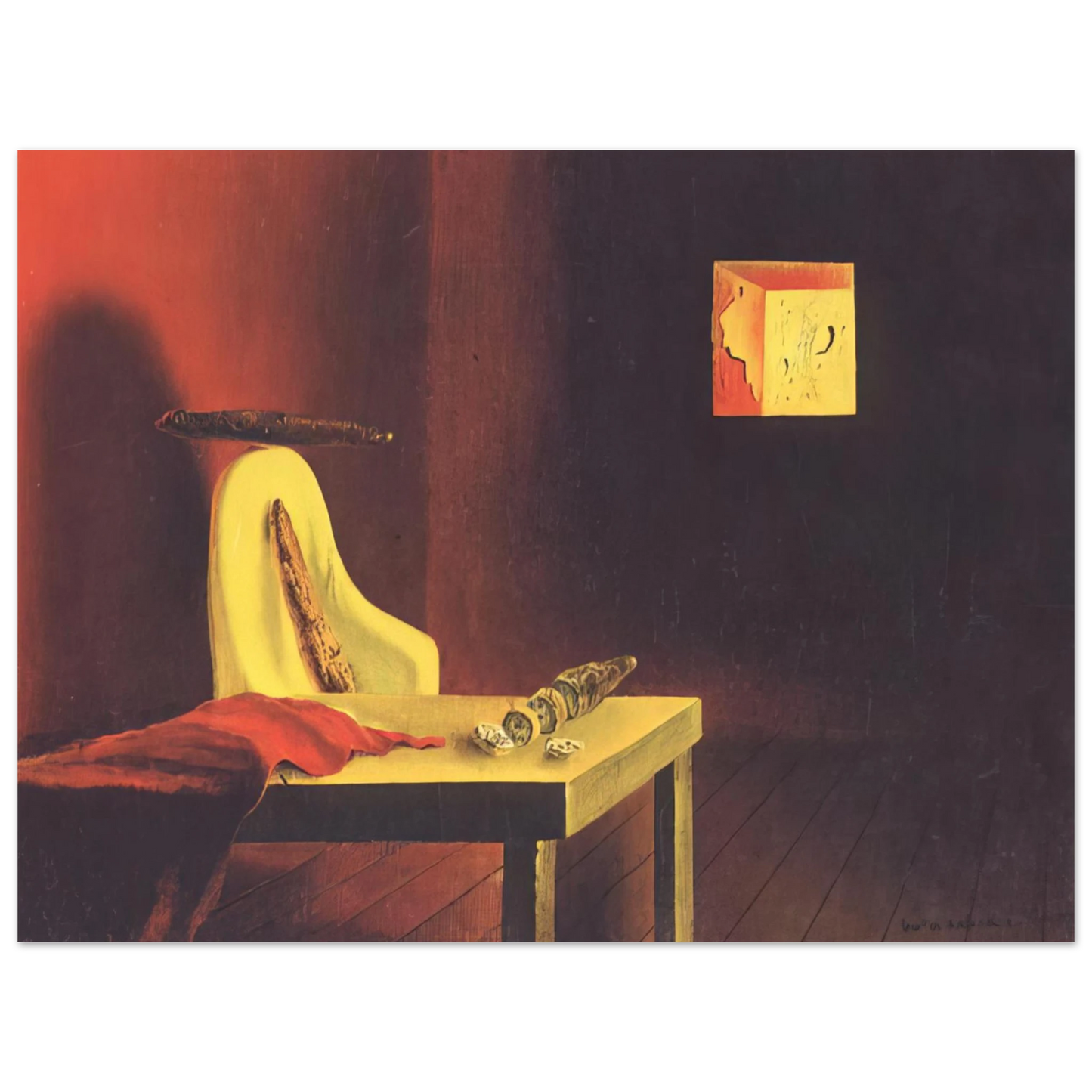
Salvador Dali - THE INVISIBLE MAN 75x100 cm / 30x40inches Fine Art Poster
Salvador Dali - THE INVISIBLE MAN 75x100 cm / 30x40inches Fine Art Poster
Couldn't load pickup availability
Salvador Dalí - The Invisible Man: A Surrealist Masterpiece
Immerse yourself in the enigmatic world of Salvador Dalí with this museum-quality fine art print of "The Invisible Man". This iconic 75x100 cm (30x40 inches) reproduction captures the dreamlike essence of Dalí's surrealist vision, where reality dissolves into a haunting, symbolic landscape. As a leading figure of the 20th-century avant-garde, Dalí masterfully blends meticulous detail with psychological depth, inviting viewers to explore themes of identity, perception, and the subconscious.
At RedKalion, we specialize in archival-grade reproductions that honor the artist's original intent. Printed on our exclusive Master's Edition archival paper, this piece features a matte, uncoated finish with a natural white hue, enhancing its luxurious texture and ensuring vibrant, long-lasting color fidelity. The acid-free composition (pH above 7) and FSC-certified sustainability guarantee that your print remains pristine for generations, free from yellowing or degradation.
Elevate your space with a timeless work of art that combines historical significance with uncompromising quality. This on-demand print, crafted with precision and care, offers a sophisticated addition to any home or office, reflecting Dalí's genius in every detail.
Discover Unlimited Art Possibilities
At RedKalion, you can find virtually any artwork from any artist, available in a wide range of sizes to perfectly match your space.
If you didn’t find what you’re looking for, contact us at support@redkalion.com . We will source any artwork and produce it in any size and format you need, including art prints, posters, canvas, framed pieces, framed canvas, and more.
For dedicated art enthusiasts, we also offer handcrafted replicas of any artwork, carefully painted by highly skilled artists using traditional techniques.
For custom requests, contact us at support@redkalion.com .
What is the historical significance of Salvador Dalí's "The Invisible Man"?
"The Invisible Man" is a quintessential surrealist artwork by Salvador Dalí, created in 1929-1932. It explores themes of identity and perception through dreamlike imagery, blending meticulous detail with psychological symbolism, reflecting Dalí's innovative techniques in the avant-garde movement.
What materials are used for this fine art print?
This museum-quality reproduction is printed on Master's Edition archival paper, featuring a matte, uncoated finish with natural white color. It is acid-free (pH above 7), FSC-certified, and weighs 250 gsm (110 lb) with a thickness of 0.29 mm (11.4 mils) for durability.
How does the archival paper ensure longevity?
The acid-free, pH-balanced paper prevents yellowing and degradation over time, making this Dalí print a lasting investment. Combined with high-quality inks, it offers vibrant color retention for decades in your collection.
What are the shipping and fulfillment details?
We offer on-demand printing with no minimum orders, ensuring fast and efficient shipping. Each print is carefully packaged to protect it during transit, delivered ready to display in your space.
Can I customize the size or framing of this artwork?
This print is available in the standard 75x100 cm (30x40 inches) size as a fine art poster. For custom framing options, please contact our customer service to explore premium archival solutions.
What makes Dalí's technique unique in "The Invisible Man"?
Dalí employed his "paranoiac-critical method," blending hyper-realistic detail with irrational elements to create a hallucinatory effect. This technique challenges viewers' perceptions, making the invisible visible through symbolic forms and layered meanings.
Is this print suitable for gifting or professional spaces?
Yes, this archival reproduction is ideal for both personal collections and professional settings. Its sophisticated design and historical relevance make it a thoughtful gift or a statement piece for offices and galleries.