RedKalion
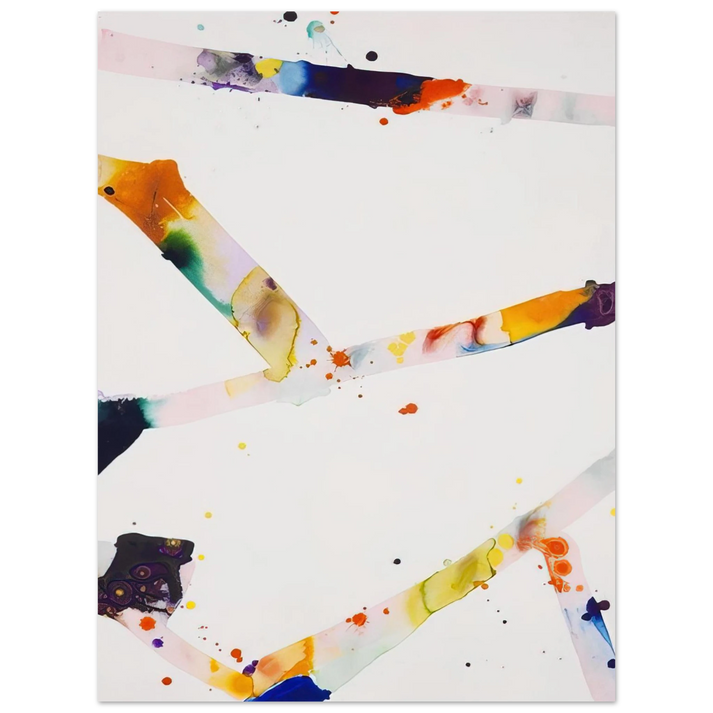
Sam Francis - From Tokyo #3 75x100 cm / 30x40inches Fine Art Poster
Sam Francis - From Tokyo #3 75x100 cm / 30x40inches Fine Art Poster
Couldn't load pickup availability
Sam Francis - From Tokyo #3: A Masterpiece of Abstract Expressionism
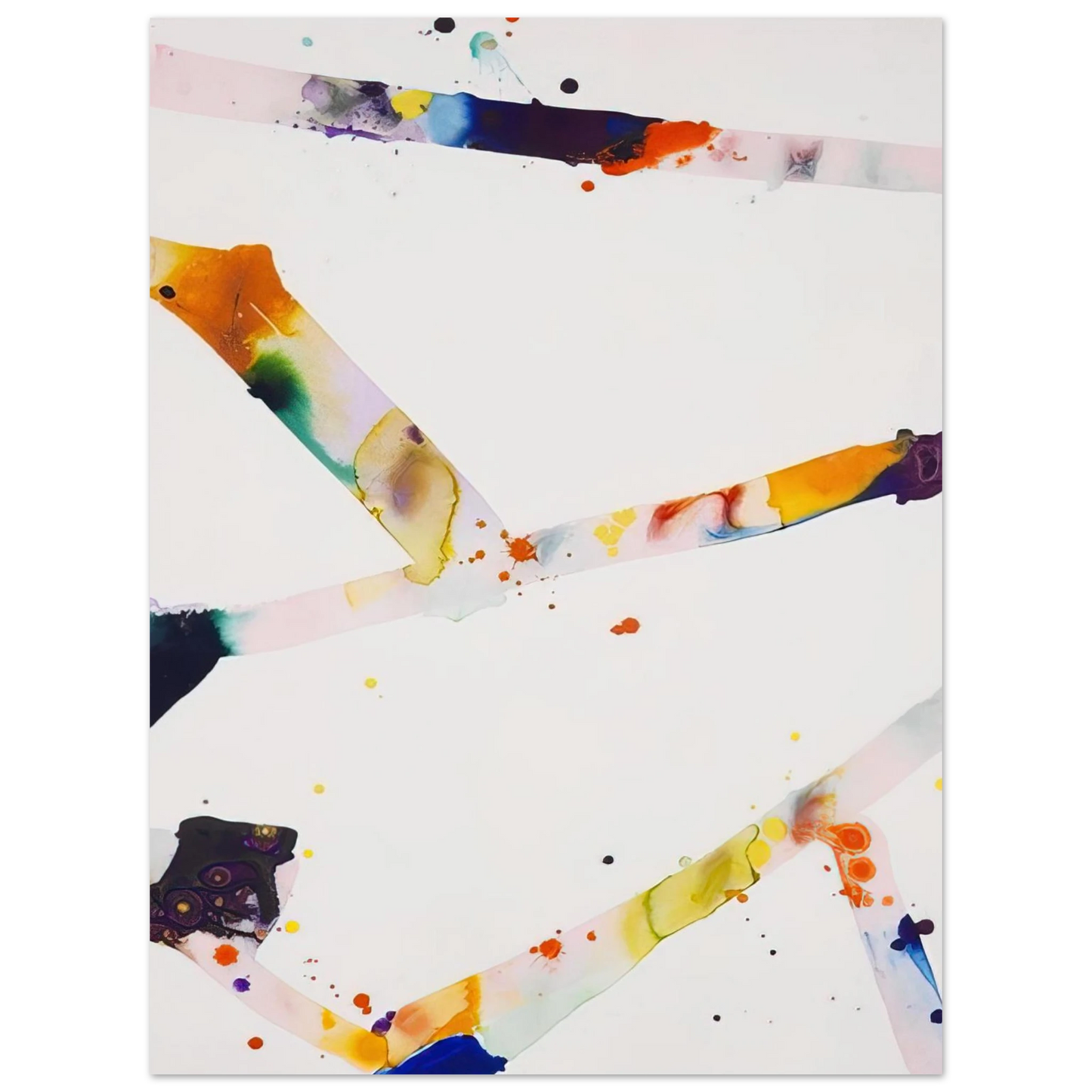
Immerse yourself in the vibrant energy of Sam Francis' "From Tokyo #3", a stunning fine art print that captures the essence of the artist's iconic Abstract Expressionist style. This museum-quality reproduction is meticulously crafted on Master's Edition archival paper, ensuring every brushstroke and color burst is rendered with unparalleled fidelity. Measuring 75x100 cm (30x40 inches), this piece offers a bold statement for any contemporary space.
Created during Francis' transformative period in Japan in the 1950s, "From Tokyo #3" reflects his fascination with light, space, and the spontaneous flow of paint. The artwork's dynamic composition—featuring splatters, drips, and ethereal washes of color—evokes a sense of boundless creativity and emotional depth. Francis' technique, influenced by Eastern calligraphy and Zen philosophy, invites viewers to experience art as a meditative journey.
At RedKalion, we specialize in archival-grade reproductions that honor the original's integrity. This print is produced on acid-free paper (pH above 7) to prevent yellowing, with a matte, uncoated finish in a natural white hue that enhances texture and minimizes glare. The 250 gsm (110 lb) weight and 0.29 mm (11.4 mils) thickness provide a luxurious, durable feel, while our FSC-certified paper supports sustainable art practices. Elevate your home or office with a timeless piece that combines historical significance with modern craftsmanship.
- Dimensions: 75x100 cm / 30x40 inches
- Paper: Master's Edition archival paper, museum-quality
- Finish: Matte, uncoated, natural white (off-white)
- Longevity: Acid-free (pH above 7) to prevent yellowing
- Weight & Thickness: 250 gsm (110 lb), 0.29 mm (11.4 mils)
- Sustainability: FSC-certified paper
- Fulfillment: Printed and shipped on demand, no minimum orders
Discover Unlimited Art Possibilities
At RedKalion, you can find virtually any artwork from any artist, available in a wide range of sizes to perfectly match your space.
If you didn’t find what you’re looking for, contact us at support@redkalion.com . We will source any artwork and produce it in any size and format you need, including art prints, posters, canvas, framed pieces, framed canvas, and more.
For dedicated art enthusiasts, we also offer handcrafted replicas of any artwork, carefully painted by highly skilled artists using traditional techniques.
For custom requests, contact us at support@redkalion.com .
What is the significance of Sam Francis' "From Tokyo #3" in art history?
"From Tokyo #3" is a key work from Sam Francis' Japanese period in the 1950s, showcasing his Abstract Expressionist style influenced by Zen philosophy and calligraphy, with vibrant splatters and washes that evoke emotional depth and spontaneity.
How does the matte finish enhance this fine art print?
The matte, uncoated finish on our Master's Edition archival paper reduces glare and provides a luxurious texture, making colors appear rich and true to the original artwork for a museum-quality display.
What makes this print archival and long-lasting?
This print uses acid-free paper with a pH above 7 to prevent yellowing over time, ensuring your Sam Francis reproduction remains vibrant and durable as a high-quality art investment.
Can you describe the paper quality and sustainability?
We use FSC-certified, 250 gsm (110 lb) Master's Edition archival paper that is 0.29 mm thick, offering a premium feel while supporting eco-friendly practices in our fine art prints.
How is shipping handled for this on-demand print?
RedKalion prints and ships each order on demand with no minimums, ensuring careful packaging and timely delivery for your custom Sam Francis artwork.
What techniques did Sam Francis use in "From Tokyo #3"?
Francis employed dripping, splattering, and fluid washes of paint, inspired by Japanese aesthetics, to create layered, dynamic compositions that capture light and movement in this abstract masterpiece.
Why is the natural white color chosen for the paper?
The natural white (off-white) paper enhances the artwork's colors with a subtle, elegant backdrop, providing optimal contrast and a classic look for this museum-quality reproduction.