

RedKalion
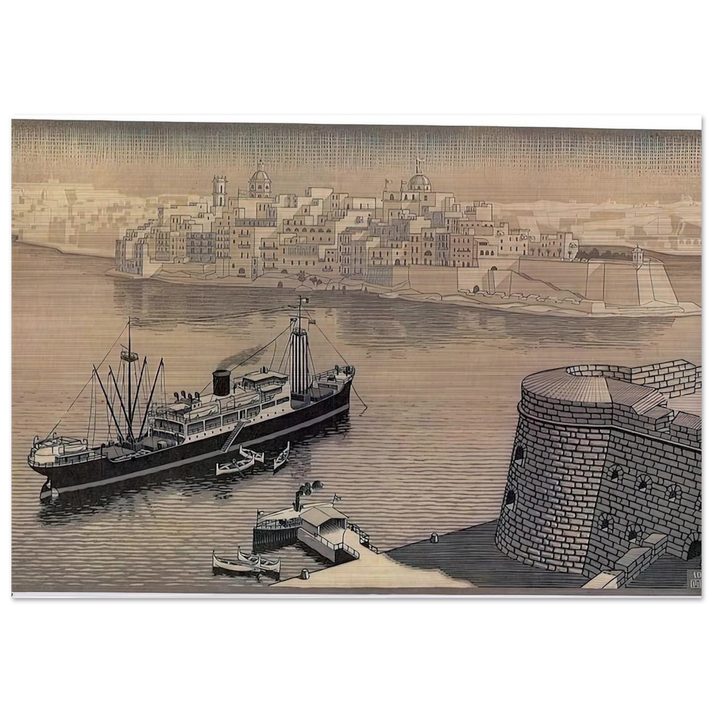
SENGELA MALTA - MC Escher Brushed Aluminum Print - 70x100 cm / 28x40 inches | MC Escher Aluminum Print | MC Escher Prints
SENGELA MALTA - MC Escher Brushed Aluminum Print - 70x100 cm / 28x40 inches | MC Escher Aluminum Print | MC Escher Prints
Couldn't load pickup availability
SENGELA MALTA - MC Escher Brushed Aluminum Print
Elevate your space with a museum-quality reproduction of MC Escher's iconic SENGELA MALTA, masterfully printed on premium brushed silver Aluminum DIBOND®. This fine art print captures the intricate geometric patterns and surreal architectural illusions that define Escher's genius, offering a timeless piece that transforms any room into a gallery of mathematical artistry.
Art Historical Significance
MC Escher (1898-1972) was a Dutch graphic artist renowned for his mathematically inspired woodcuts, lithographs, and mezzotints. SENGELA MALTA exemplifies his fascination with tessellation, perspective, and impossible constructions, blending art and science in a way that continues to captivate audiences. This work reflects his meticulous technique, where every line and shape is precisely calculated to create visual paradoxes that challenge perception.
Premium Physical Specifications
RedKalion ensures this museum-quality reproduction meets archival standards with:
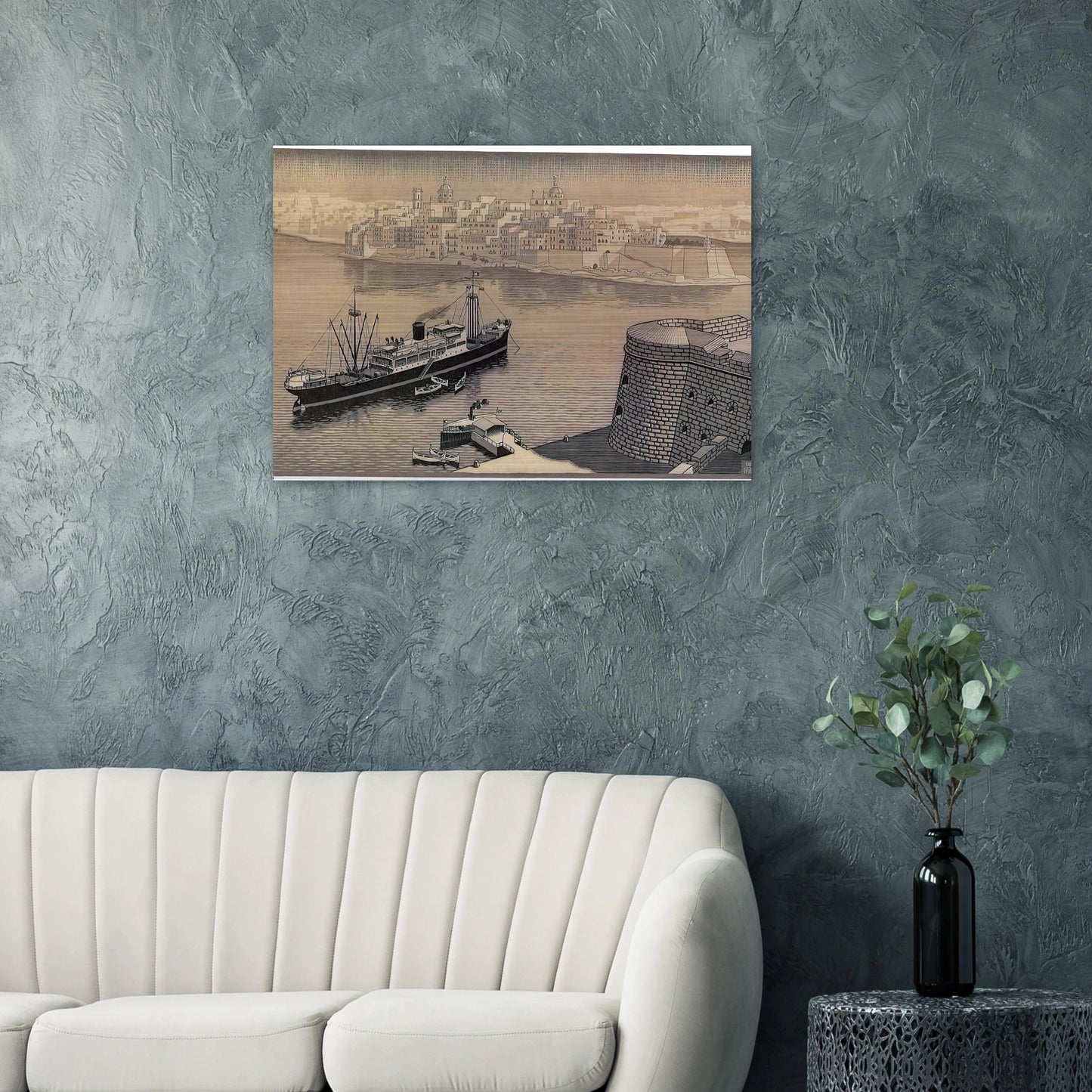
- Material: Brushed silver Aluminum DIBOND® with a metallic finish and horizontal grain, providing a dynamic, modern look.
- Thickness: 3mm (0.12") for a durable, rigid base that resists warping.
- Printing: Direct print on AluDibond for vivid, long-lasting colors and a matte finish; unprinted white areas reveal a striking metallic silver effect.
- Finish: Matte and glare-free, ideal for highlighting the black-and-white contrasts in Escher's designs with an added brushed silver elegance.
- Size: 70x100 cm / 28x40 inches, perfect for statement wall art.
- Hanging Kit: Included for easy installation (varies by fulfillment country).
Trust RedKalion, your premier curator of archival-grade reproductions, to deliver a piece that combines historical depth with contemporary durability. This MC Escher aluminum print is not just decor—it's an investment in enduring beauty and intellectual intrigue.


Discover Unlimited Art Possibilities
At RedKalion, you can find virtually any artwork from any artist, available in a wide range of sizes to perfectly match your space.
If you didn’t find what you’re looking for, contact us at support@redkalion.com . We will source any artwork and produce it in any size and format you need, including art prints, posters, canvas, framed pieces, framed canvas, and more.
For dedicated art enthusiasts, we also offer handcrafted replicas of any artwork, carefully painted by highly skilled artists using traditional techniques.
For custom requests, contact us at support@redkalion.com .
What are the dimensions of this MC Escher aluminum print?
This fine art print measures 70x100 cm (28x40 inches), making it an ideal size for a statement piece in any room.
What material is used for this MC Escher print?
It is printed on brushed silver Aluminum DIBOND® with a metallic finish and horizontal grain, offering a durable and dynamic look for museum-quality reproductions.
How is the print applied to the aluminum surface?
We use direct printing on AluDibond, ensuring vivid colors and a matte finish, with unprinted areas revealing a metallic silver effect for added visual interest.
Is a hanging kit included with this artwork?
Yes, a hanging kit is included for easy installation, though specific components may vary by fulfillment country to ensure optimal support.
How durable and archival is this aluminum print?
With a 3mm thickness and direct printing on archival-grade Aluminum DIBOND®, this print is designed to resist fading and warping, offering long-lasting beauty.
What artistic techniques did MC Escher use in SENGELA MALTA?
MC Escher employed precise mathematical calculations and lithography in SENGELA MALTA to create tessellations and impossible perspectives, showcasing his blend of art and science.
Why is SENGELA MALTA significant in Escher's body of work?
SENGELA MALTA highlights Escher's mastery of geometric illusion and architectural surrealism, reflecting his lifelong exploration of visual paradoxes and perceptual challenges.