RedKalion
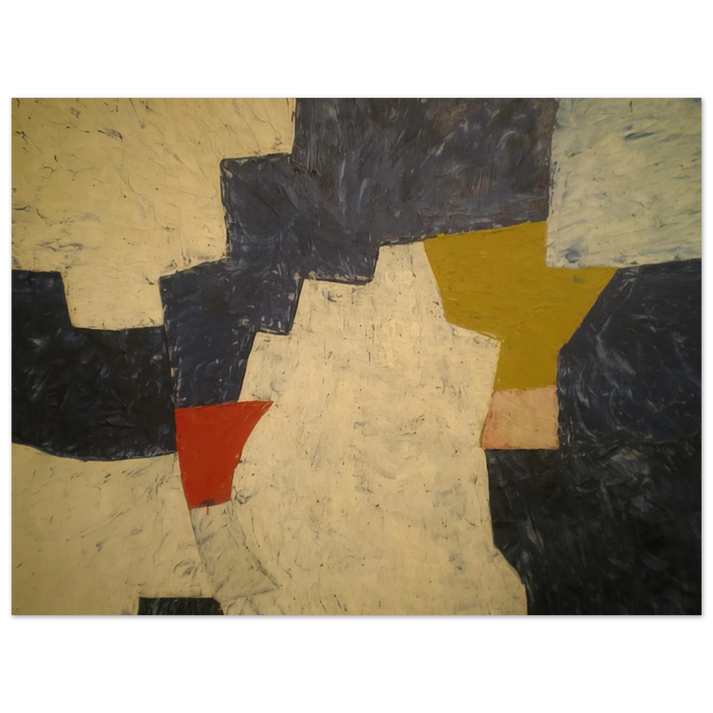
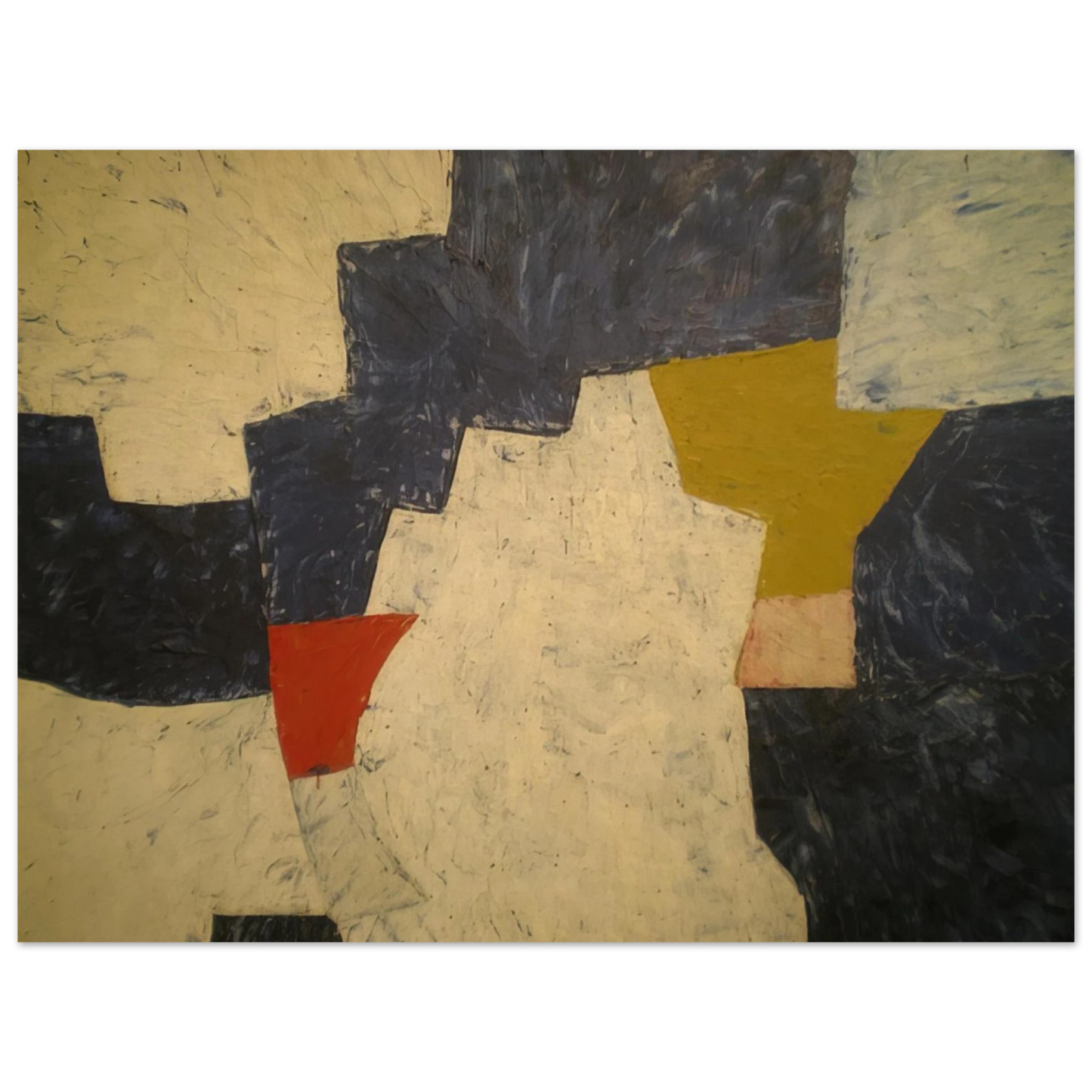
Serge Poliakoff - Composition - 1952 75x100 cm / 30x40inches Fine Art Poster
Serge Poliakoff - Composition - 1952 75x100 cm / 30x40inches Fine Art Poster
Couldn't load pickup availability
Serge Poliakoff - Composition - 1952: A Masterpiece of Post-War Abstraction
Immerse yourself in the bold, geometric harmony of Serge Poliakoff's "Composition - 1952", a defining work from the artist's mature period. This museum-quality fine art print captures the essence of Poliakoff's unique approach to abstraction, where interlocking shapes and a restrained palette create a profound sense of balance and depth. Measuring 75x100 cm (30x40 inches), this reproduction is meticulously crafted to honor the original's impact, making it a sophisticated centerpiece for any modern interior.
Poliakoff, a key figure in the École de Paris, developed his signature style by layering opaque, flat forms to explore spiritual and architectural themes. In "Composition - 1952," his mastery of color relationships and precise composition evokes a meditative calm, reflecting the post-war era's search for order and meaning. This piece is not merely a decoration but a historical artifact of abstract art, offering timeless elegance that resonates with collectors and design enthusiasts alike.
At RedKalion, we elevate art reproduction to an archival standard. Each print is produced on Master's Edition archival paper, featuring a matte, uncoated finish in a natural white hue that enhances texture and minimizes glare. With a weight of 250 gsm (110 lb) and thickness of 0.29 mm (11.4 mils), this acid-free (pH above 7) paper ensures longevity, preventing yellowing over decades. Our commitment to sustainability includes FSC-certified paper, and we offer on-demand printing and shipping with no minimum orders, allowing you to acquire a piece of art history effortlessly.
Transform your space with this premium fine art poster that combines artistic significance with uncompromising quality. RedKalion curates only the finest reproductions, trusted by discerning clients worldwide for their authenticity and durability.
Discover Unlimited Art Possibilities
At RedKalion, you can find virtually any artwork from any artist, available in a wide range of sizes to perfectly match your space.
If you didn’t find what you’re looking for, contact us at support@redkalion.com . We will source any artwork and produce it in any size and format you need, including art prints, posters, canvas, framed pieces, framed canvas, and more.
For dedicated art enthusiasts, we also offer handcrafted replicas of any artwork, carefully painted by highly skilled artists using traditional techniques.
For custom requests, contact us at support@redkalion.com .
What are the dimensions of this Serge Poliakoff fine art print?
This museum-quality reproduction measures 75x100 cm (30x40 inches), perfectly capturing the scale and impact of the original 1952 abstract composition for your home or office display.
What type of paper is used for this archival print?
It is printed on Master's Edition archival paper, a museum-quality, acid-free (pH above 7) material with a matte, uncoated finish in natural white, ensuring longevity and a luxurious texture.
How does the paper ensure the print lasts over time?
The acid-free (pH above 7) paper prevents yellowing, while its 250 gsm weight and 0.29 mm thickness provide durability, making this a long-lasting fine art poster for generations.
Is this print environmentally sustainable?
Yes, we use FSC-certified paper for all our reproductions, supporting responsible forestry practices in our premium art prints.
What is the shipping and ordering process?
We offer on-demand printing and shipping with no minimum orders, so your Serge Poliakoff composition print is crafted and delivered efficiently upon purchase.
What artistic movement is Serge Poliakoff associated with?
Serge Poliakoff was a prominent figure in the École de Paris and post-war abstraction, known for his geometric forms and spiritual depth in works like "Composition - 1952."
Why is "Composition - 1952" significant in art history?
This piece represents Poliakoff's mature style, using interlocking shapes and a restrained palette to explore balance and meaning, reflecting the abstract art trends of the 1950s.