RedKalion
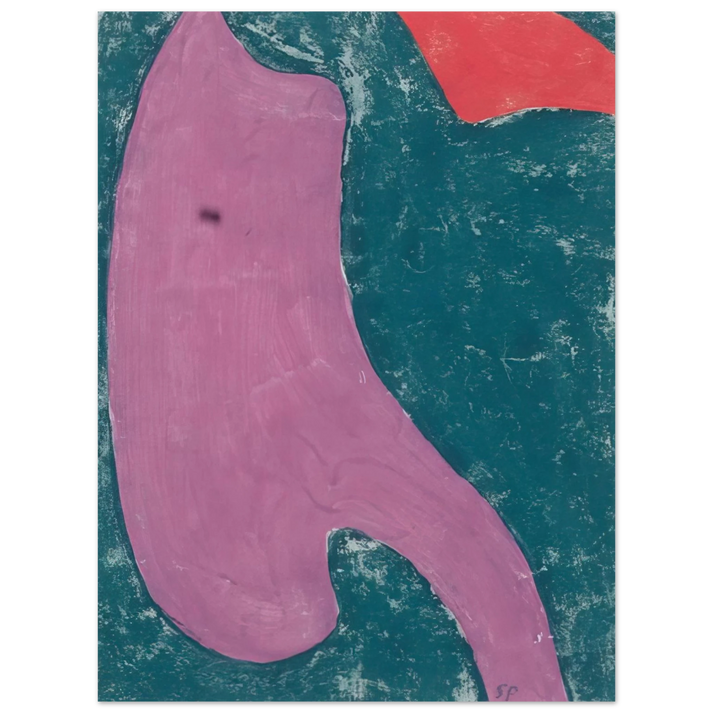
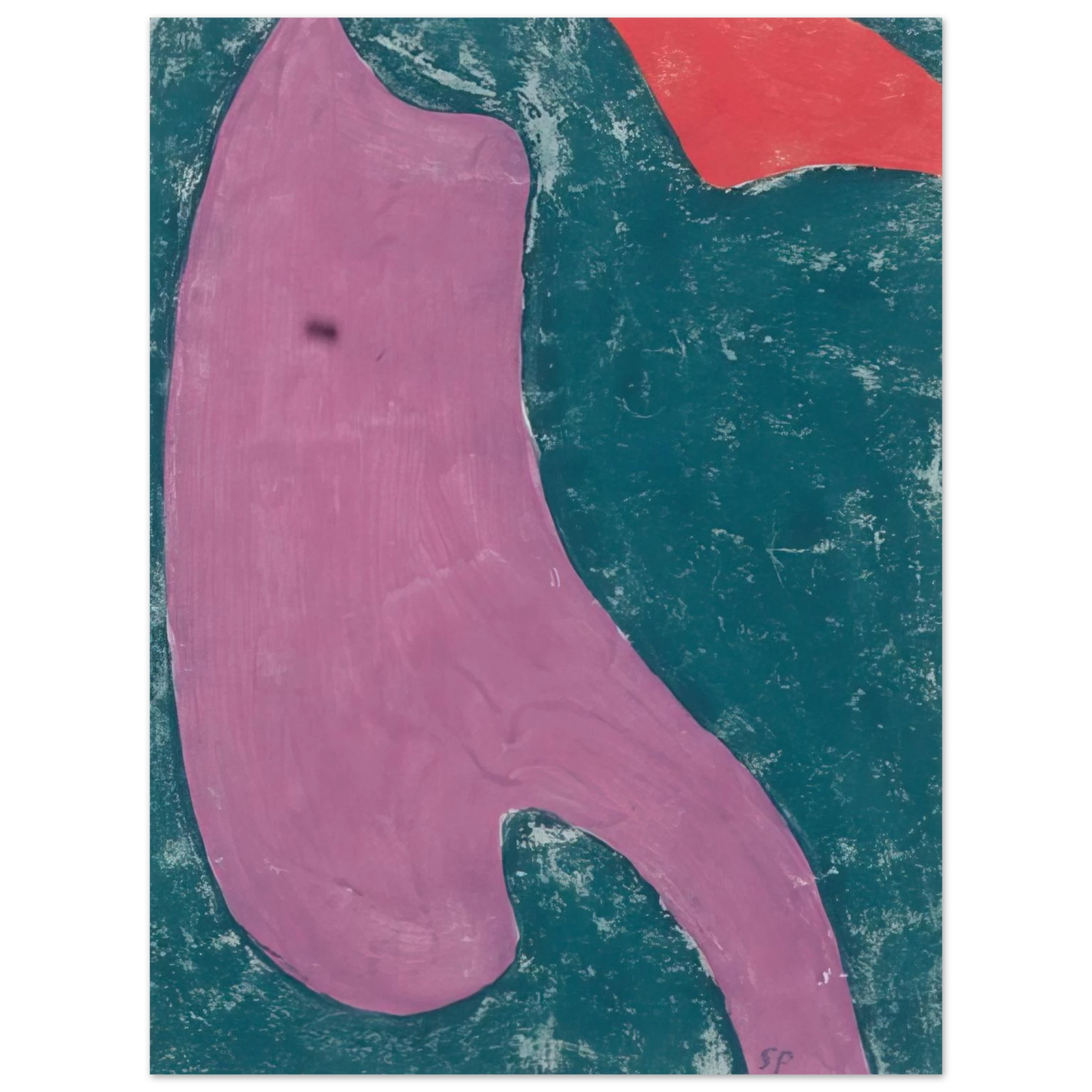
Serge Poliakoff - Etude de tissu - 1946 75x100 cm / 30x40inches Fine Art Poster
Serge Poliakoff - Etude de tissu - 1946 75x100 cm / 30x40inches Fine Art Poster
Couldn't load pickup availability
Serge Poliakoff - Etude de tissu - 1946: A Museum-Quality Fine Art Print
Immerse yourself in the abstract mastery of Serge Poliakoff with this premium reproduction of "Etude de tissu" (1946). This 75x100 cm (30x40 inches) fine art poster captures the artist's pioneering exploration of geometric forms and textured surfaces, a hallmark of the post-war Parisian art scene. Poliakoff's work, characterized by its rhythmic interplay of shapes and muted palettes, evokes a sense of serene contemplation and modernist elegance, making it an ideal centerpiece for any sophisticated interior.
RedKalion presents this archival masterpiece on our exclusive Master's Edition paper, ensuring a museum-quality reproduction that honors the original's integrity. The matte, uncoated finish and natural white (off-white) hue provide a luxurious texture that enhances the artwork's depth, while the acid-free composition (pH above 7) guarantees longevity without yellowing. Crafted from FSC-certified, 250 gsm (110 lb) paper with a thickness of 0.29 mm (11.4 mils), this print offers durability and a premium feel. Printed and shipped on demand with no minimum orders, it's a seamless way to elevate your space with a trusted, archival-grade piece.
Art Historical Insight: Serge Poliakoff, a key figure in the École de Paris, developed his signature style by layering geometric abstractions inspired by Byzantine icons and folk art. "Etude de tissu" (1946) reflects his fascination with texture and fabric-like patterns, achieved through meticulous brushwork that creates a tactile, almost woven appearance—a testament to his innovative approach to mid-20th-century abstraction.
Discover Unlimited Art Possibilities
At RedKalion, you can find virtually any artwork from any artist, available in a wide range of sizes to perfectly match your space.
If you didn’t find what you’re looking for, contact us at support@redkalion.com . We will source any artwork and produce it in any size and format you need, including art prints, posters, canvas, framed pieces, framed canvas, and more.
For dedicated art enthusiasts, we also offer handcrafted replicas of any artwork, carefully painted by highly skilled artists using traditional techniques.
For custom requests, contact us at support@redkalion.com .
What are the dimensions of this Serge Poliakoff fine art print?
This museum-quality reproduction measures 75x100 cm (30x40 inches), perfect for large-scale display in homes or offices as a premium abstract art poster.
What type of paper is used for this archival print?
It's printed on Master's Edition archival paper, featuring a matte, uncoated finish and natural white hue for a luxurious texture that enhances Serge Poliakoff's geometric abstractions.
The acid-free composition (pH above 7) prevents yellowing over time, making this fine art print a durable, museum-quality piece for long-term enjoyment.
What is the weight and thickness of the paper for this Poliakoff poster?
The paper is 250 gsm (110 lb) with a thickness of 0.29 mm (11.4 mils), offering a premium feel and durability for this abstract art reproduction.
How is this print shipped and are there minimum orders?
It's printed and shipped on demand with no minimum orders, ensuring a convenient and sustainable fulfillment process for this Serge Poliakoff artwork.
What inspired Serge Poliakoff's "Etude de tissu" from 1946?
Poliakoff drew inspiration from Byzantine icons and folk art, using geometric shapes and textured brushwork to create a fabric-like abstraction in this post-war Parisian piece.
Why is "Etude de tissu" significant in mid-20th-century art history?
It exemplifies Poliakoff's innovative approach to abstraction, blending rhythmic forms and muted palettes to evoke serenity, marking him as a key figure in the École de Paris movement.