
RedKalion
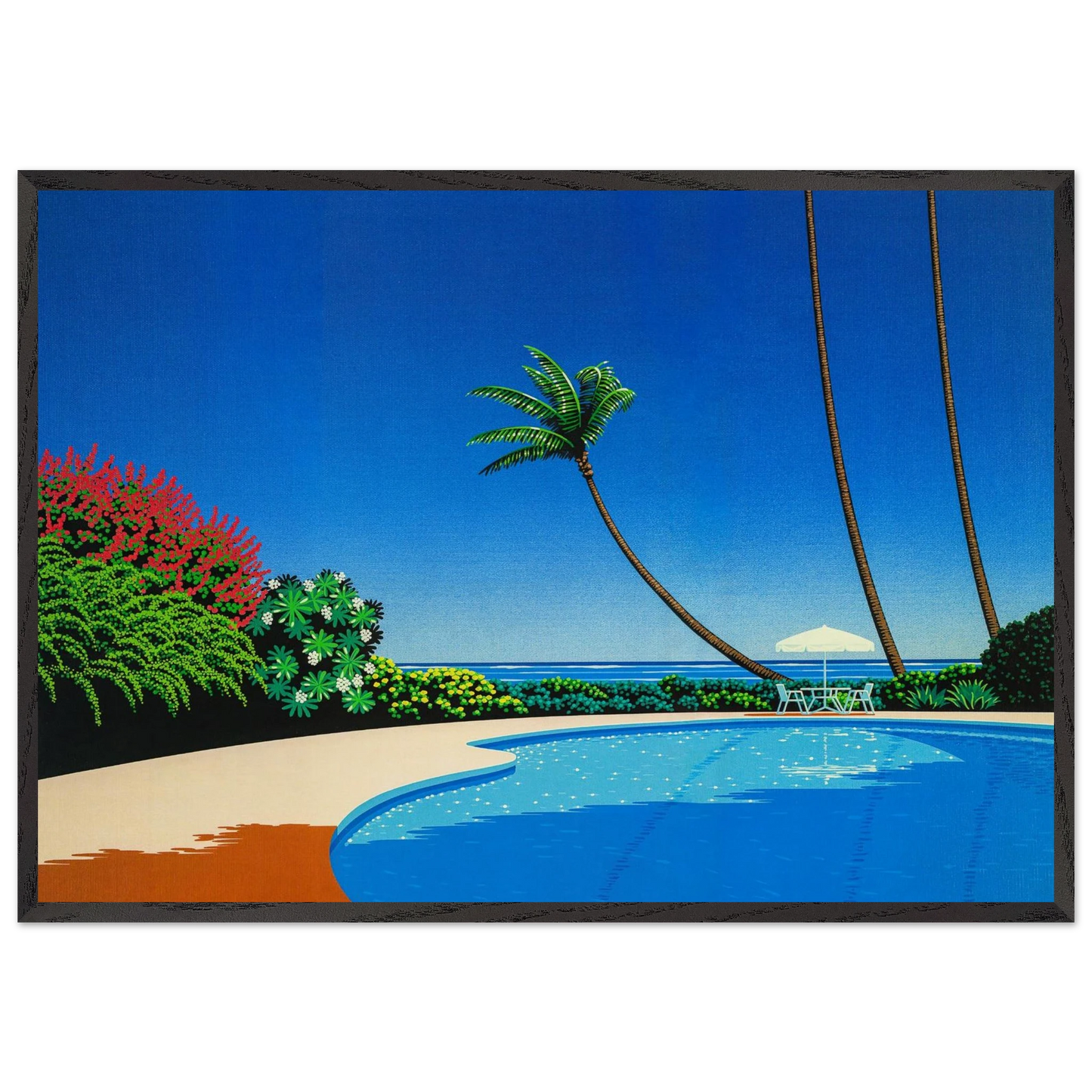
Shade of Palm Grove II - Hiroshi Nagai 70x100 cm / 28x40 inches Framed Art Print – Black Wooden Frame
Shade of Palm Grove II - Hiroshi Nagai 70x100 cm / 28x40 inches Framed Art Print – Black Wooden Frame
Couldn't load pickup availability
Shade of Palm Grove II by Hiroshi Nagai: A Framed Art Print of Tropical Serenity
Immerse yourself in the idyllic world of Hiroshi Nagai with Shade of Palm Grove II, a museum-quality fine art print that captures the essence of 1980s Japanese retro-futurism. This iconic artwork, measuring 70x100 cm (28x40 inches), depicts a serene tropical scene with vibrant palm trees, azure skies, and a tranquil poolside setting, evoking a sense of eternal summer and sophisticated leisure. Nagai's distinctive style, blending hyper-realistic detail with dreamlike nostalgia, has made his works highly sought-after collectibles in contemporary art circles.
RedKalion presents this masterpiece as a premium framed art print, meticulously reproduced on archival museum-quality paper. Our commitment to excellence ensures every detail—from the lush greenery to the subtle play of light—is preserved with stunning clarity. The print is mounted in a sophisticated black wooden frame, crafted from responsibly sourced oak and ash wood, with a substantial 20mm (0.79") thickness that adds depth and presence, wider than classic 14mm frames for enhanced visual impact.
Key features of this ready-to-hang art piece include:
- Archival Paper: Printed on 250 gsm (110 lb) matte, uncoated, natural white paper with a thickness of 0.29 mm (11.4 mils), ideal for fine art reproductions that resist fading.
- Premium Protection: Safeguarded by shatterproof plexiglass, ensuring durability without compromising on clarity.
- Sustainable Materials: Utilizing FSC-certified or equivalent papers, reflecting our dedication to environmental responsibility.
- Complete Presentation: Includes a hanging kit for immediate display, allowing you to elevate your space with a timeless piece that endures.
Did you know? Hiroshi Nagai's art gained prominence through album covers for city pop musicians in the 1980s, blending Western influences with Japanese aesthetics to create a unique visual language that continues to inspire designers and art enthusiasts today. This framed print not only decorates your home or office but also connects you to a pivotal moment in art history.
Choose RedKalion for your curated collection of world-class reproductions, where expertise in art history meets uncompromising quality in every print. Transform your environment with Shade of Palm Grove II—a testament to tropical elegance and archival craftsmanship.
Discover Unlimited Art Possibilities
At RedKalion, you can find virtually any artwork from any artist, available in a wide range of sizes to perfectly match your space.
If you didn’t find what you’re looking for, contact us at support@redkalion.com . We will source any artwork and produce it in any size and format you need, including art prints, posters, canvas, framed pieces, framed canvas, and more.
For dedicated art enthusiasts, we also offer handcrafted replicas of any artwork, carefully painted by highly skilled artists using traditional techniques.
For custom requests, contact us at support@redkalion.com .
What are the dimensions and framing details of this Hiroshi Nagai print?
This framed art print measures 70x100 cm (28x40 inches) and features a black wooden frame made from responsibly sourced oak and ash wood, with a 20mm (0.79") thickness for a premium look. It includes a hanging kit for easy wall display.
What type of paper is used for this museum-quality reproduction?
We use 250 gsm (110 lb) matte, uncoated, natural white archival paper with a thickness of 0.29 mm (11.4 mils), ideal for fine art prints that ensure longevity and vibrant color reproduction in this tropical scene.
How is the print protected in the frame?
The print is protected by shatterproof plexiglass, which offers durability and clarity while safeguarding the artwork from damage, making it a safe choice for homes or offices.
Is this artwork ready to hang upon delivery?
Yes, this framed art print is ready-to-hang and includes a hanging kit, so you can display it directly on your wall without any additional setup, perfect for immediate enjoyment of Nagai's serene palm grove.
What makes this print archival and sustainable?
It uses FSC-certified or equivalent sustainable paper and archival-quality materials to resist fading over time, ensuring your Hiroshi Nagai fine art print remains vibrant for years as a lasting investment.
What is the historical significance of Hiroshi Nagai's Shade of Palm Grove II?
Hiroshi Nagai's work, including Shade of Palm Grove II, emerged in the 1980s as part of the city pop movement in Japan, blending retro-futuristic aesthetics with tropical themes to create iconic imagery that defined an era of leisure and style.
How does Nagai's technique enhance the tropical mood in this artwork?
Nagai employs hyper-realistic details and vibrant colors to evoke a dreamlike, eternal summer atmosphere, using precise lighting and composition to capture the serene essence of palm groves and poolside tranquility.