RedKalion
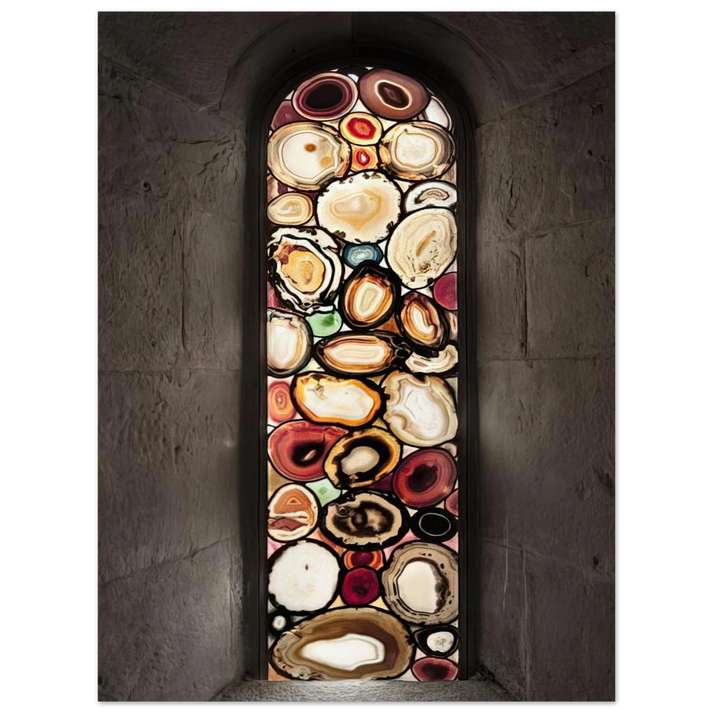
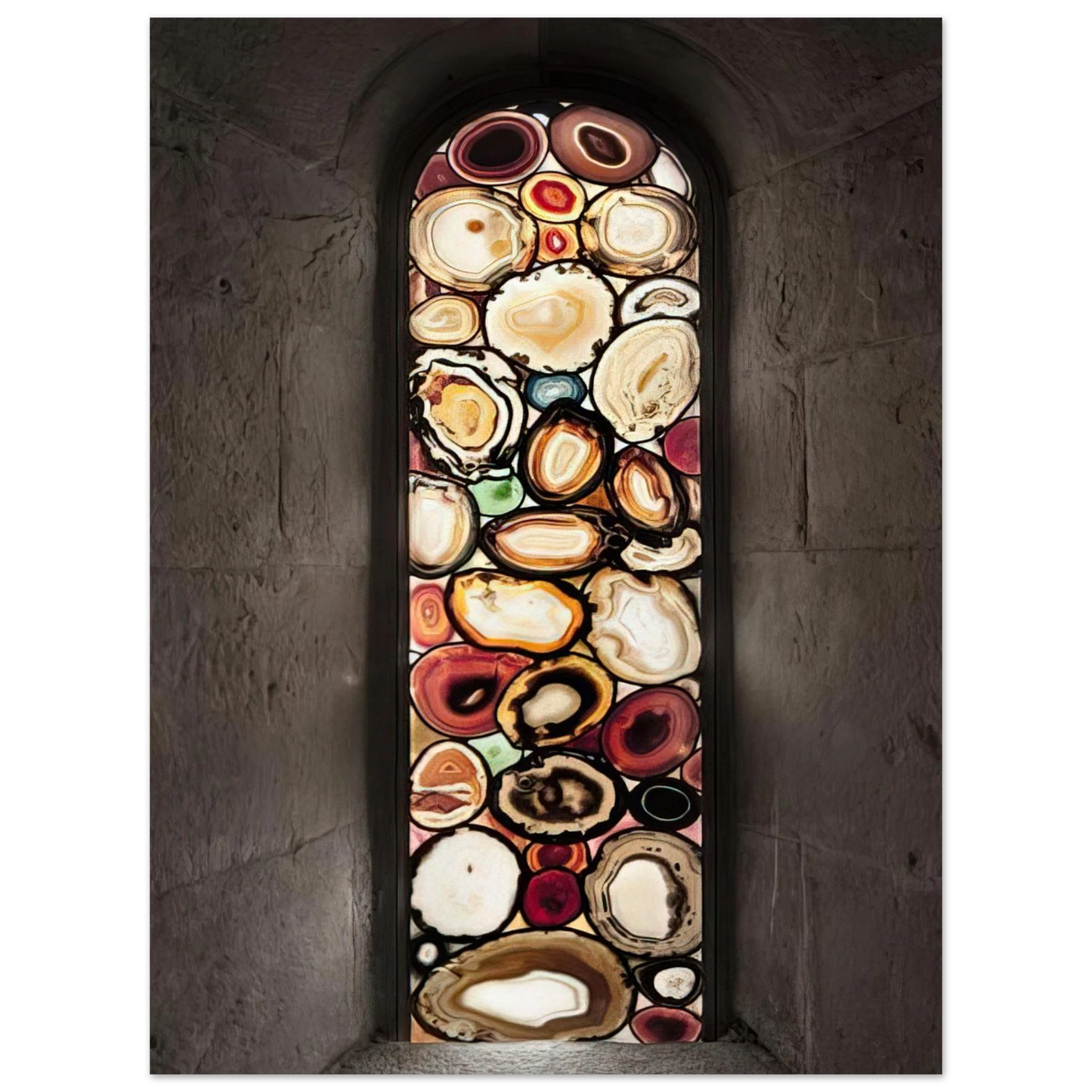
Sigmar Polke - AHATFENSTER 2009 1 75x100 cm / 30x40inches Fine Art Poster
Sigmar Polke - AHATFENSTER 2009 1 75x100 cm / 30x40inches Fine Art Poster
Couldn't load pickup availability
Sigmar Polke - AHATFENSTER 2009 1: A Museum-Quality Fine Art Print
Immerse yourself in the enigmatic world of Sigmar Polke with this premium reproduction of AHATFENSTER 2009 1. This 75x100 cm (30x40 inches) fine art poster captures the artist's late-period experimentation, where layered imagery and abstract forms create a window into his profound artistic vision. Polke, a pivotal figure in post-war German art, masterfully blends painting, photography, and printmaking to evoke a sense of mystery and intellectual depth, making this piece a captivating addition for collectors and modern art enthusiasts.
RedKalion presents this archival masterpiece on our exclusive Master's Edition archival paper, ensuring a museum-quality reproduction that honors Polke's intricate details. The matte, uncoated finish in a natural white hue provides a luxurious texture that mimics the feel of original art, while the acid-free composition (pH above 7) guarantees resistance to yellowing, preserving its vibrancy for generations. Crafted from FSC-certified paper with a substantial 250 gsm weight and 0.29 mm thickness, this print offers durability and a premium tactile experience, all produced on demand to meet your discerning standards.
Elevate your space with a work that bridges historical significance and contemporary elegance, backed by RedKalion's commitment to archival excellence.
Discover Unlimited Art Possibilities
At RedKalion, you can find virtually any artwork from any artist, available in a wide range of sizes to perfectly match your space.
If you didn’t find what you’re looking for, contact us at support@redkalion.com . We will source any artwork and produce it in any size and format you need, including art prints, posters, canvas, framed pieces, framed canvas, and more.
For dedicated art enthusiasts, we also offer handcrafted replicas of any artwork, carefully painted by highly skilled artists using traditional techniques.
For custom requests, contact us at support@redkalion.com .
What are the dimensions of this Sigmar Polke fine art print?
This museum-quality reproduction measures 75x100 cm (30x40 inches), perfect for large-scale display in homes or offices to showcase Polke's detailed artistry.
What type of paper is used for this archival print?
It's printed on Master's Edition archival paper, featuring a matte, uncoated finish in natural white for a luxurious texture and acid-free properties to prevent yellowing over time.
With a weight of 250 gsm (110 lb) and thickness of 0.29 mm (11.4 mils), this FSC-certified paper ensures long-lasting quality and resistance to wear, ideal for archival collections.
What is the shipping and fulfillment process?
We print and ship on demand with no minimum orders, ensuring each Sigmar Polke reproduction is crafted fresh and delivered promptly to your location.
How does the acid-free paper enhance longevity?
The acid-free composition (pH above 7) protects against yellowing and degradation, making this a museum-quality print that endures for decades without fading.
What artistic techniques did Sigmar Polke use in AHATFENSTER 2009 1?
Polke employed layered imagery and mixed media, blending painting and photography to create abstract, enigmatic forms that reflect his late-career innovation in German art.
Why is AHATFENSTER 2009 1 significant in Polke's oeuvre?
This work represents Polke's exploration of windows as metaphors, showcasing his mastery in evoking mystery and depth during his final years, pivotal in post-war art history.