RedKalion
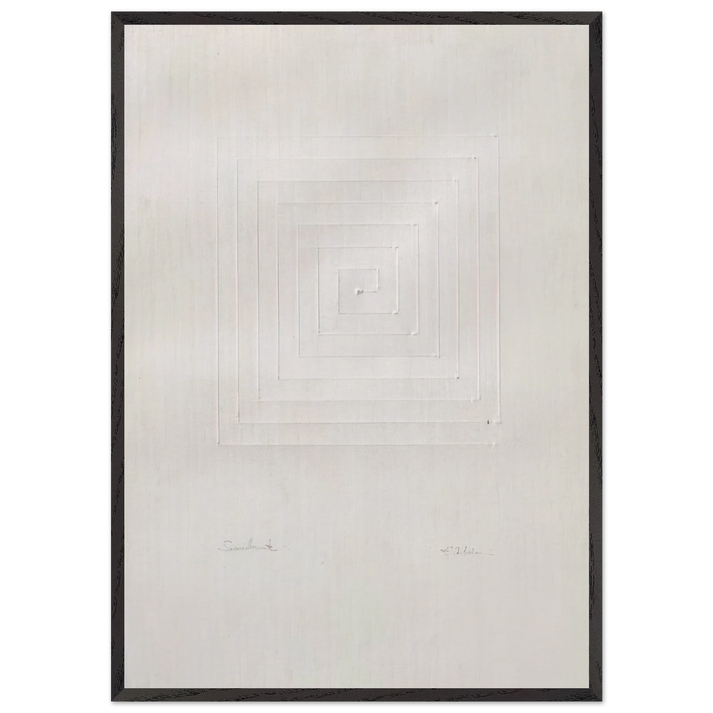
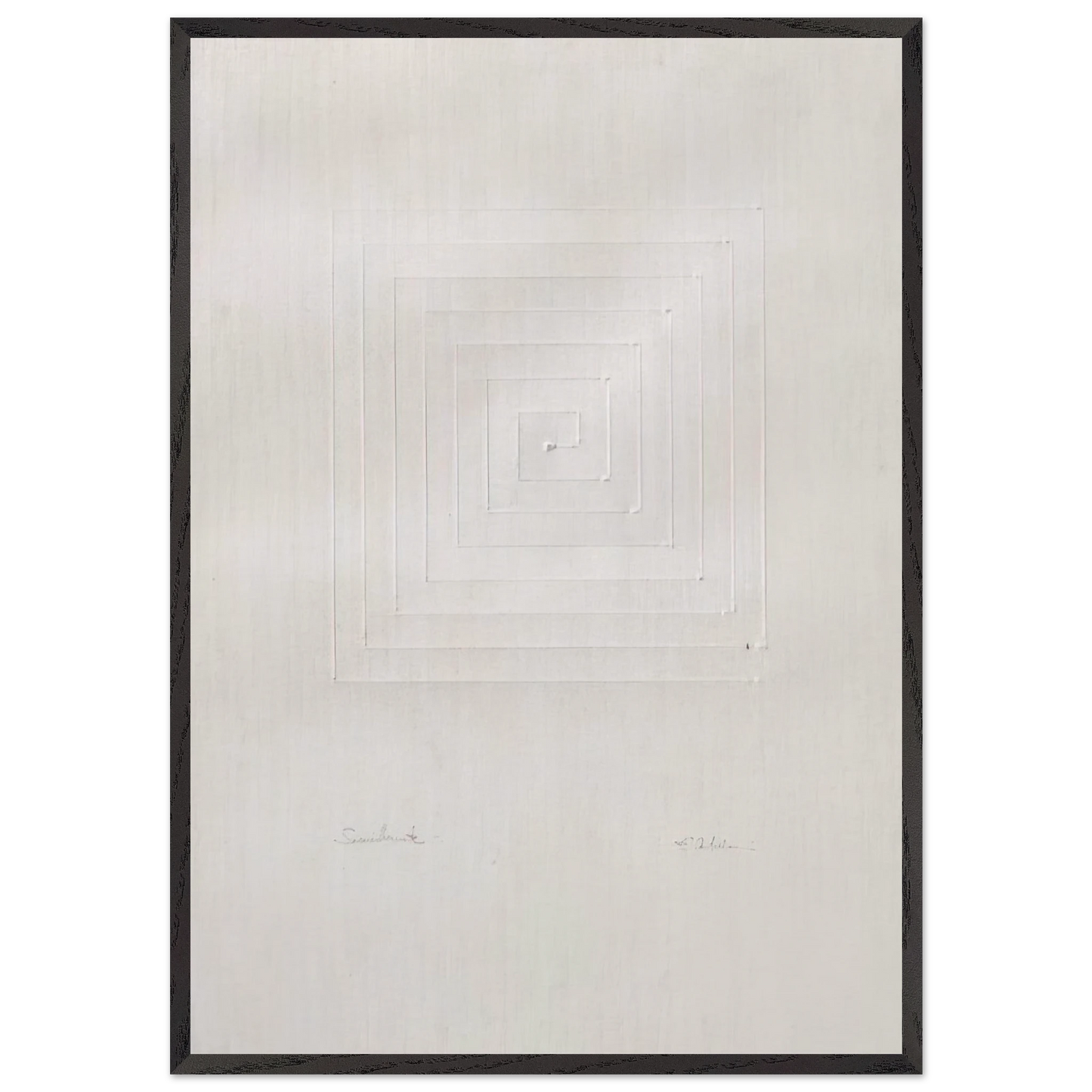
Similmente - Spatialism - Enrico Castellani 70x100 cm / 28x40 inches Framed Art Print – Black Wooden Frame
Similmente - Spatialism - Enrico Castellani 70x100 cm / 28x40 inches Framed Art Print – Black Wooden Frame
Couldn't load pickup availability
Similmente - Spatialism by Enrico Castellani
Introducing Similmente, a pivotal work by the Italian master Enrico Castellani, now available as a museum-quality framed art print from RedKalion. This piece exemplifies Castellani's revolutionary Spatialism movement, where he transformed the canvas into a dynamic, three-dimensional surface through his signature monochrome reliefs. Similmente invites viewers into a world of rhythmic patterns and subtle shadows, evoking a sense of minimalist elegance and avant-garde innovation that defined mid-20th century art.
RedKalion presents this masterpiece in an archival-grade reproduction, meticulously printed on 250 gsm (110 lb) matte, uncoated, natural white paper with a thickness of 0.29 mm (11.4 mils), ensuring exceptional durability and color fidelity. The print is elegantly framed in a responsibly sourced black wooden frame made from oak and ash wood, measuring 20mm (0.79") thick and wide for a bold, contemporary presence. It includes a hanging kit for immediate display and is protected by shatterproof plexiglass, making it a ready-to-hang centerpiece for any discerning collector.
Elevate your space with this fine art print that captures Castellani's genius in manipulating light and form, offering a timeless addition to modern interiors.
Discover Unlimited Art Possibilities
At RedKalion, you can find virtually any artwork from any artist, available in a wide range of sizes to perfectly match your space.
If you didn’t find what you’re looking for, contact us at support@redkalion.com . We will source any artwork and produce it in any size and format you need, including art prints, posters, canvas, framed pieces, framed canvas, and more.
For dedicated art enthusiasts, we also offer handcrafted replicas of any artwork, carefully painted by highly skilled artists using traditional techniques.
For custom requests, contact us at support@redkalion.com .
What are the dimensions of this framed Enrico Castellani print?
The framed print measures 70x100 cm (28x40 inches), with a 20mm (0.79") thick and wide black wooden frame, providing a substantial and elegant display for this Spatialism artwork.
What type of paper is used for this fine art reproduction?
It uses 250 gsm (110 lb) matte, uncoated, natural white archival museum-quality paper, 0.29 mm (11.4 mils) thick, ensuring durability and premium texture for this Enrico Castellani print.
Is this print ready to hang upon delivery?
Yes, this framed art print includes a hanging kit and is ready-to-hang directly on your wall, offering a convenient and stylish addition to your home or office decor.
How does the frame protect the artwork?
The frame features shatterproof plexiglass that safeguards the print from damage, while the responsibly sourced oak and ash wood construction adds durability and aesthetic appeal.
Is the paper used for this reproduction environmentally sustainable?
Yes, the paper is made from FSC-certified materials or equivalent, supporting sustainable practices in producing this high-quality Enrico Castellani art print.
What is the historical significance of Enrico Castellani's Spatialism?
Spatialism, pioneered by Castellani in the 1960s, broke from traditional painting by creating monochrome reliefs that interact with light and shadow, emphasizing three-dimensionality and minimalist abstraction in modern art.
How does Castellani's technique in Similmente differ from other artworks?
In Similmente, Castellani used repeated indentations on a monochrome surface to create rhythmic patterns, a hallmark of his Spatialism that explores perception and materiality through subtle physical manipulations.