RedKalion
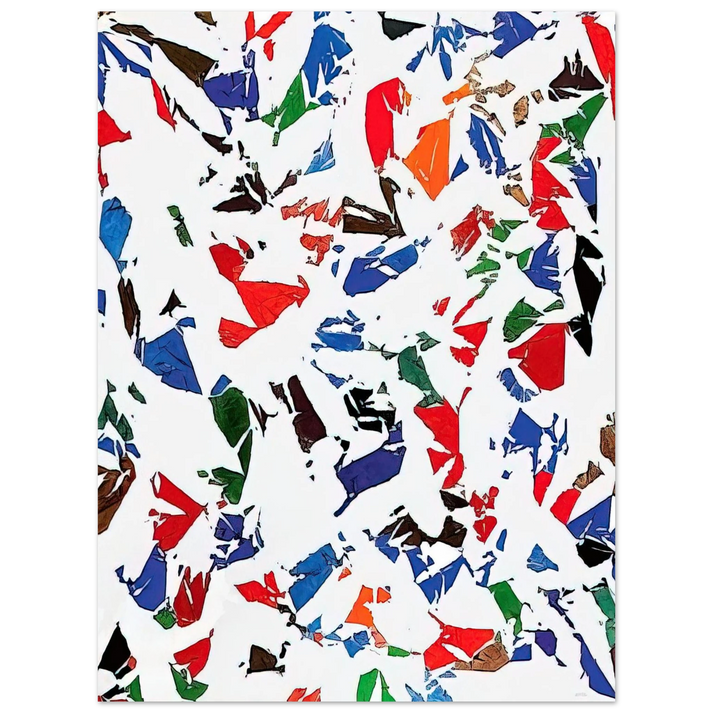
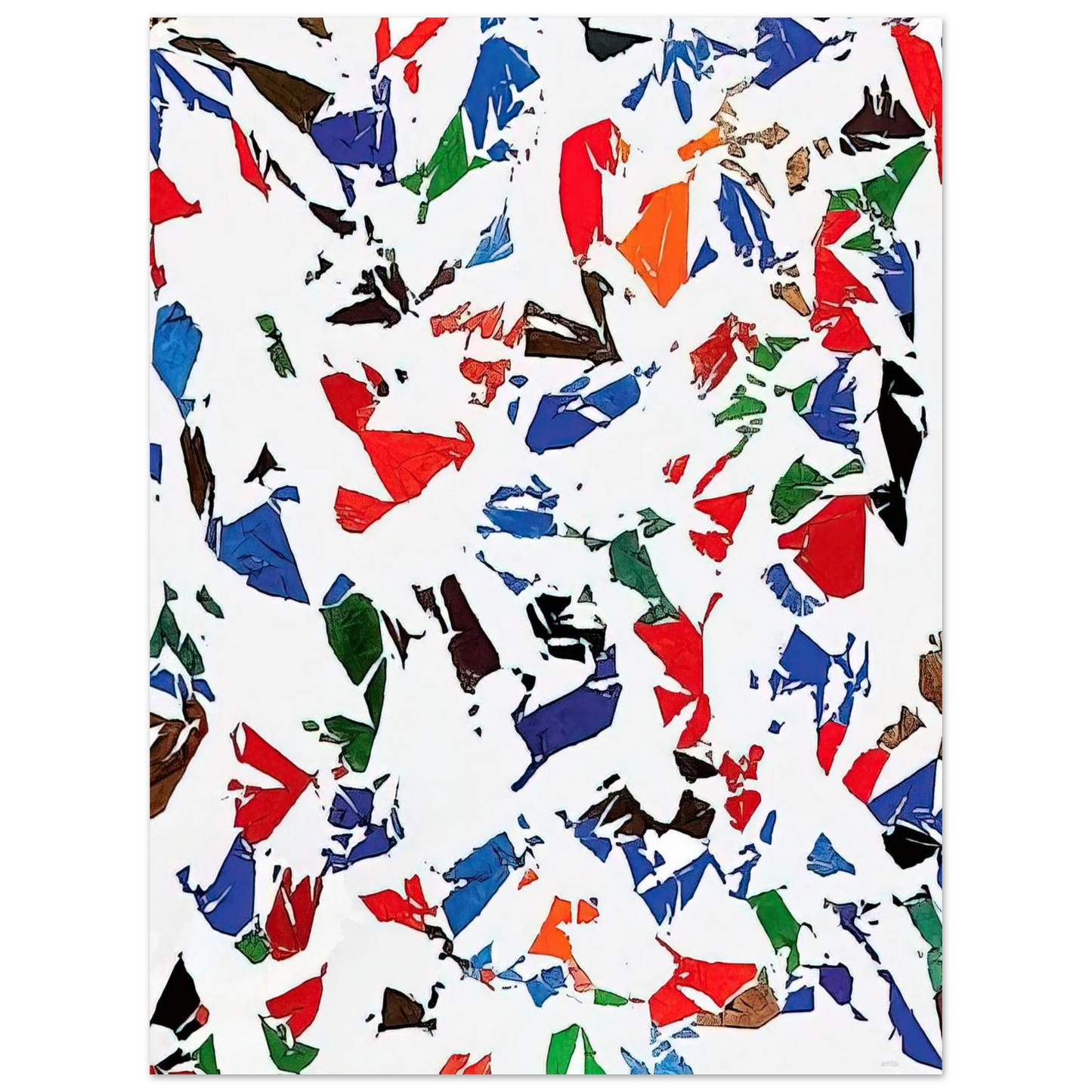
Simon Hantai - Blancs - 1973 75x100 cm / 30x40inches Fine Art Poster
Simon Hantai - Blancs - 1973 75x100 cm / 30x40inches Fine Art Poster
Couldn't load pickup availability
Simon Hantaï - Blancs (1973) - Museum-Quality Fine Art Print
Immerse yourself in the groundbreaking minimalism of Simon Hantaï's Blancs (1973), a seminal work from the French-Hungarian master's celebrated "Blancs" series. This museum-quality fine art print captures the profound quietude and radical experimentation that defined Hantaï's practice, where he folded, knotted, and painted canvases before unfolding them to reveal untouched white spaces. The resulting composition—a delicate interplay of textured pigment and pristine voids—evokes a meditative, almost spiritual calm, making it an ideal centerpiece for modern interiors seeking depth and serenity.
RedKalion presents this archival masterpiece on our exclusive Master's Edition archival paper, ensuring every subtle nuance of Hantaï's technique is preserved. The matte, uncoated finish in a natural white hue enhances the artwork's tactile quality, while the acid-free (pH above 7) composition guarantees it resists yellowing for generations. Crafted from FSC-certified paper at 250 gsm (110 lb) with a thickness of 0.29 mm (11.4 mils), this print offers a luxurious, gallery-ready presence. Available in a 75x100 cm / 30x40 inches format, it is printed and shipped on demand with no minimum orders, allowing you to elevate your space with a piece of art history that endures.
Art Historical Insight: Hantaï's "Blancs" series, developed in the early 1970s, revolutionized abstract art by introducing a method of "pliage" (folding) that challenged traditional painterly gestures. By leaving areas unpainted, he created a dialogue between presence and absence, reflecting influences from surrealism and postwar European abstraction. This print honors his legacy as a pivotal figure in 20th-century art.
Discover Unlimited Art Possibilities
At RedKalion, you can find virtually any artwork from any artist, available in a wide range of sizes to perfectly match your space.
If you didn’t find what you’re looking for, contact us at support@redkalion.com . We will source any artwork and produce it in any size and format you need, including art prints, posters, canvas, framed pieces, framed canvas, and more.
For dedicated art enthusiasts, we also offer handcrafted replicas of any artwork, carefully painted by highly skilled artists using traditional techniques.
For custom requests, contact us at support@redkalion.com .
What are the dimensions of this Simon Hantaï Blancs fine art print?
This museum-quality reproduction measures 75x100 cm (30x40 inches), perfectly capturing the scale and impact of Hantaï's original 1973 artwork for your home or office decor.
What type of paper is used for this archival print?
We use Master's Edition archival paper, a museum-quality, acid-free (pH above 7) material that prevents yellowing and ensures long-term durability for your fine art poster.
How is this print shipped and are there minimum orders?
We print and ship on demand with no minimum orders, offering convenient fulfillment for this Simon Hantaï Blancs reproduction to locations worldwide.
What is the finish and weight of this art print?
It features a matte, uncoated finish on natural white paper with a luxurious texture, weighing 250 gsm (110 lb) and a thickness of 0.29 mm (11.4 mils) for premium quality.
Is this print environmentally sustainable?
Yes, it is made from FSC-certified paper, supporting responsible forestry practices while delivering a high-end fine art poster experience.
What artistic technique did Simon Hantaï use in Blancs (1973)?
Hantaï employed his signature "pliage" (folding) method, where he folded and painted the canvas before unfolding to reveal untouched white spaces, creating a minimalist abstract composition.
Why is Blancs (1973) significant in art history?
As part of Hantaï's influential "Blancs" series, it exemplifies postwar European abstraction, challenging traditional painting through its exploration of absence and texture in modern art.