RedKalion
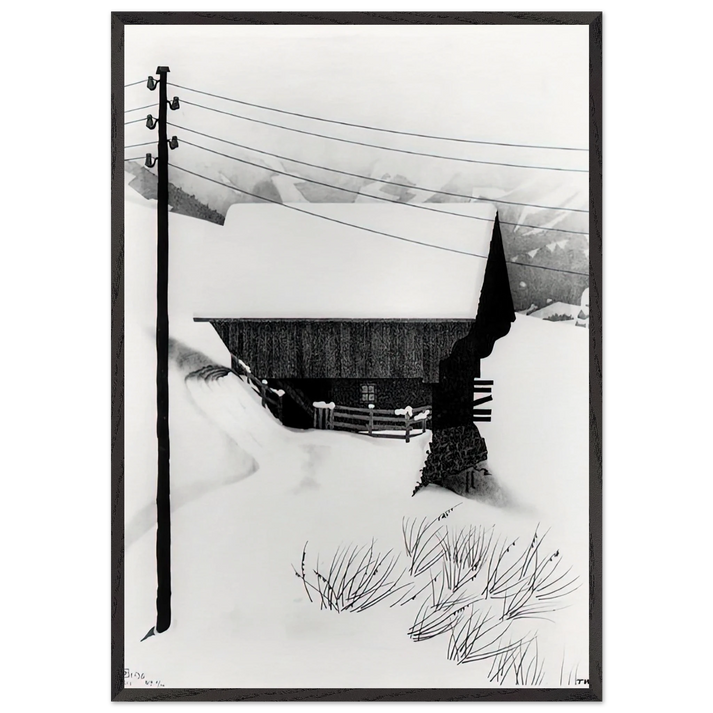
SNOW - MC Escher 70x100 cm / 28x40 inches Framed Art Print – Black Wooden Frame | Maurits Cornelis Escher Prints
SNOW - MC Escher 70x100 cm / 28x40 inches Framed Art Print – Black Wooden Frame | Maurits Cornelis Escher Prints
Couldn't load pickup availability
SNOW by M.C. Escher: A Masterpiece of Geometric Winter Wonder
Discover the mesmerizing world of M.C. Escher with this museum-quality framed art print of SNOW. This iconic work by Maurits Cornelis Escher captures the intricate beauty of snowflakes through his signature mathematical precision and optical artistry, transforming a simple winter scene into a profound exploration of symmetry and infinity. Created in the mid-20th century, Escher's SNOW exemplifies his genius in blending art with geometry, offering a timeless piece that evokes a sense of wonder, tranquility, and intellectual curiosity. Perfect for art enthusiasts, mathematicians, and design aficionados, this print brings a touch of elite sophistication to any space.
RedKalion presents this archival-grade reproduction on premium 250 gsm (110 lb) matte, uncoated, natural white paper, ensuring vibrant detail and longevity. The print is elegantly framed in a black wooden frame made from responsibly sourced oak and ash wood, measuring 20mm (0.79") thick and wide for a bold, contemporary look. Protected by shatterproof plexiglass and including a ready-to-hang kit, this piece arrives fully prepared to elevate your home or office with enduring beauty and craftsmanship.
- Artwork: SNOW by M.C. Escher, a fine art print celebrating geometric patterns and winter aesthetics.
- Frame: Black wooden frame (oak/ash), 20mm thick, wider than classic frames for enhanced presence.
- Paper: 250 gsm archival museum-quality paper, matte finish, FSC-certified for sustainability.
- Protection: Shatterproof plexiglass ensures durability and clarity.
- Convenience: Includes hanging kit for immediate display.
Elevate your space with an archival masterpiece that endures, backed by RedKalion's commitment to premium reproductions and art historical accuracy.

Discover Unlimited Art Possibilities
At RedKalion, you can find virtually any artwork from any artist, available in a wide range of sizes to perfectly match your space.
If you didn’t find what you’re looking for, contact us at support@redkalion.com . We will source any artwork and produce it in any size and format you need, including art prints, posters, canvas, framed pieces, framed canvas, and more.
For dedicated art enthusiasts, we also offer handcrafted replicas of any artwork, carefully painted by highly skilled artists using traditional techniques.
For custom requests, contact us at support@redkalion.com .
What is the artwork SNOW by M.C. Escher about?
SNOW is a geometric masterpiece by Maurits Cornelis Escher, depicting intricate snowflake patterns that showcase his mathematical precision and optical artistry, evoking winter wonder and intellectual depth in a fine art print.
What are the specifications of the paper used for this print?
This museum-quality reproduction uses 250 gsm (110 lb) matte, uncoated, natural white archival paper, 0.29 mm thick, with FSC-certified materials for sustainable fine art prints that ensure longevity and vibrant detail.
How is the frame constructed and what are its measurements?
The frame is made from responsibly sourced oak and ash wood, black in color, with measurements of 20mm (0.79") thick and wide, offering a bold, contemporary look for your M.C. Escher art print.
Yes, it includes a ready-to-hang kit for direct wall mounting and shatterproof plexiglass to protect the print, ensuring a durable and secure display for your framed art piece.
How does RedKalion ensure the archival quality of this print?
RedKalion uses archival museum-quality paper and sustainable materials, combined with expert craftsmanship, to deliver a long-lasting reproduction that maintains the integrity of M.C. Escher's original artwork.
What era does SNOW by M.C. Escher belong to and what makes it significant?
SNOW was created in the mid-20th century, reflecting Escher's unique blend of art and mathematics during a period when he explored infinity and symmetry, making it a significant piece in optical art history.
Can you describe the geometric techniques used in SNOW?
Escher employed tessellation and precise symmetry in SNOW, using repetitive snowflake patterns to create an illusion of depth and complexity, showcasing his mastery in geometric art techniques.