
RedKalion
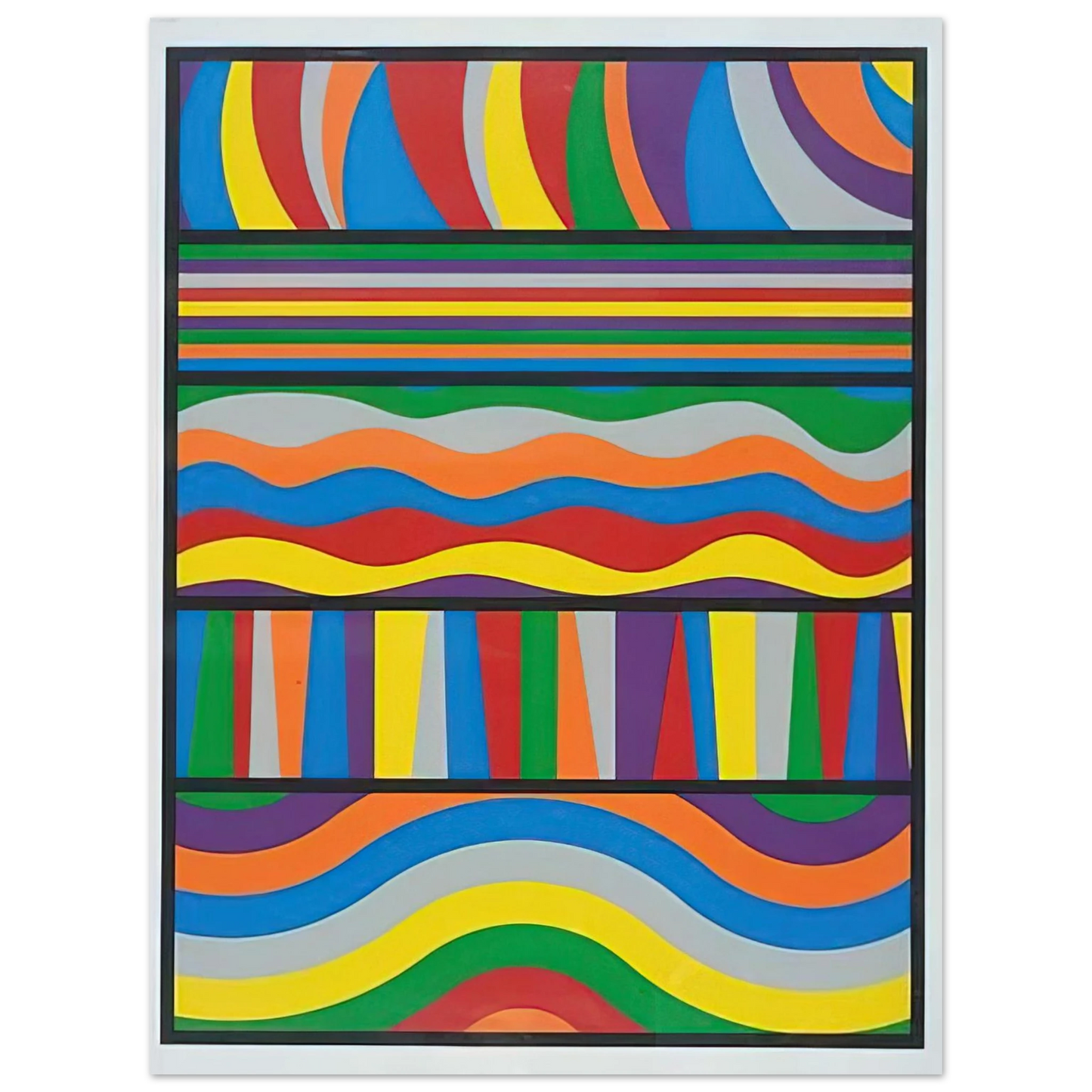
Sol LeWitt - Linear Composition 75x100 cm / 30x40inches Fine Art Poster
Sol LeWitt - Linear Composition 75x100 cm / 30x40inches Fine Art Poster
Couldn't load pickup availability
Sol LeWitt - Linear Composition: A Minimalist Masterpiece
Immerse yourself in the serene precision of Sol LeWitt's Linear Composition, a quintessential work from the father of Conceptual and Minimalist art. This museum-quality fine art print captures LeWitt's radical exploration of line and form, where the artist's instructions—rather than his hand—generate the artwork, challenging traditional notions of authorship and beauty. The composition's clean, geometric lines evoke a sense of order, clarity, and intellectual rigor, making it an ideal centerpiece for modern interiors that value sophistication and understated elegance.
RedKalion presents this archival reproduction on our exclusive Master's Edition archival paper, ensuring every detail of LeWitt's vision is preserved with impeccable fidelity. The matte, uncoated finish in a natural white hue enhances the artwork's minimalist aesthetic while providing a luxurious texture that resists glare. Crafted from acid-free, FSC-certified paper with a weight of 250 gsm (110 lb) and thickness of 0.29 mm (11.4 mils), this print is designed to endure without yellowing, offering a sustainable and lasting addition to your collection. Elevate your space with a piece that bridges art history and contemporary design, available in a standard size of 75x100 cm (30x40 inches) and printed on demand to meet your needs.
- Artist: Sol LeWitt (1928–2007), a pioneering figure in Minimalism and Conceptual art.
- Style: Minimalist art, characterized by geometric abstraction and systematic execution.
- Mood: Calm, intellectual, and orderly—perfect for inspiring focus or adding a touch of refined modernity.
- Print Quality: High-resolution reproduction on archival paper for true color accuracy and detail.
Discover Unlimited Art Possibilities
At RedKalion, you can find virtually any artwork from any artist, available in a wide range of sizes to perfectly match your space.
If you didn’t find what you’re looking for, contact us at support@redkalion.com . We will source any artwork and produce it in any size and format you need, including art prints, posters, canvas, framed pieces, framed canvas, and more.
For dedicated art enthusiasts, we also offer handcrafted replicas of any artwork, carefully painted by highly skilled artists using traditional techniques.
For custom requests, contact us at support@redkalion.com .
What is the historical significance of Sol LeWitt's Linear Composition?
Sol LeWitt's Linear Composition exemplifies his Conceptual art philosophy, where the idea or instruction behind the artwork takes precedence over its physical execution, revolutionizing 20th-century art by emphasizing process over product.
How does the paper quality ensure this fine art print lasts?
Printed on acid-free Master's Edition archival paper with a pH above 7, it prevents yellowing and degradation, ensuring your museum-quality reproduction remains vibrant for generations.
What are the dimensions and finish options for this poster?
This fine art print measures 75x100 cm (30x40 inches) with a matte, uncoated finish in natural white, offering a luxurious texture that complements minimalist decor.
Is this artwork printed and shipped sustainably?
Yes, it uses FSC-certified paper and is printed on demand to reduce waste, with no minimum orders required for eco-friendly fulfillment.
How does the weight and thickness affect the print's durability?
At 250 gsm (110 lb) and 0.29 mm (11.4 mils) thick, this heavyweight archival paper provides superior durability and a premium feel for long-term display.
Can I customize the size or framing for this Sol LeWitt print?
This print is available in the standard 75x100 cm size; for custom options, contact RedKalion's curation team to discuss bespoke museum-quality reproductions.
What makes Sol LeWitt's approach to line unique in this composition?
LeWitt used systematic, pre-determined rules to create linear forms, focusing on the conceptual framework rather than expressive brushwork, which defines his minimalist aesthetic.