

RedKalion
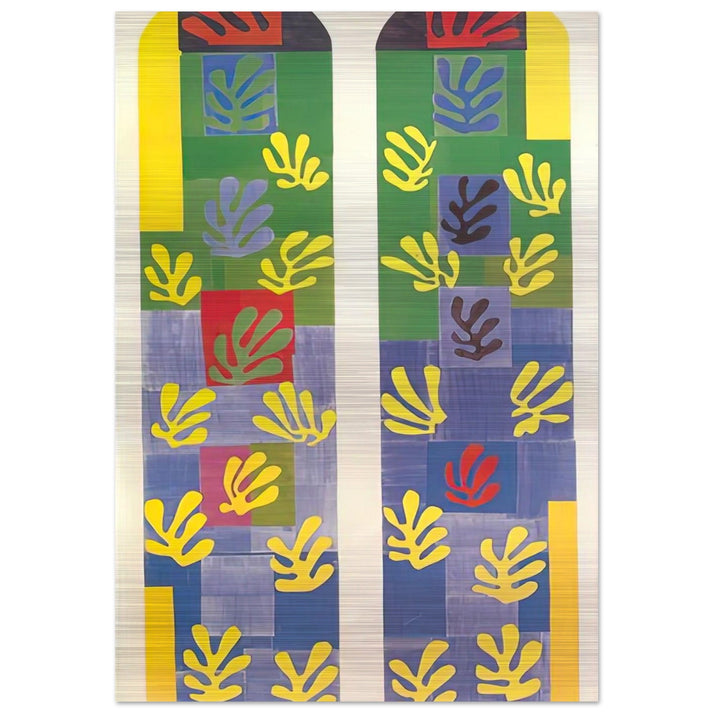
STAINED GLASS WINDOW WINDOW OF THE ABSIDE OF THE ROSARY CHAPEL 1949 - Henri Matisse Brushed Aluminum Print - 70x100 cm / 28x40 inches | Henri Matisse Aluminum Print | Henri Matisse Prints
STAINED GLASS WINDOW WINDOW OF THE ABSIDE OF THE ROSARY CHAPEL 1949 - Henri Matisse Brushed Aluminum Print - 70x100 cm / 28x40 inches | Henri Matisse Aluminum Print | Henri Matisse Prints
Couldn't load pickup availability
Henri Matisse's Stained Glass Window of the Rosary Chapel (1949) - Brushed Aluminum Print
Immerse your space in the luminous brilliance of Henri Matisse's "Stained Glass Window of the Rosary Chapel" (1949), a masterpiece of modern sacred art now available as a museum-quality aluminum print from RedKalion. This iconic work, created for the Dominican Chapel of the Rosary in Vence, France, showcases Matisse's revolutionary use of pure color and simplified forms to evoke spiritual transcendence. The vibrant blues, yellows, and greens dance with light, capturing the artist's late-career genius in transforming stained glass into a medium of emotional and visual harmony.
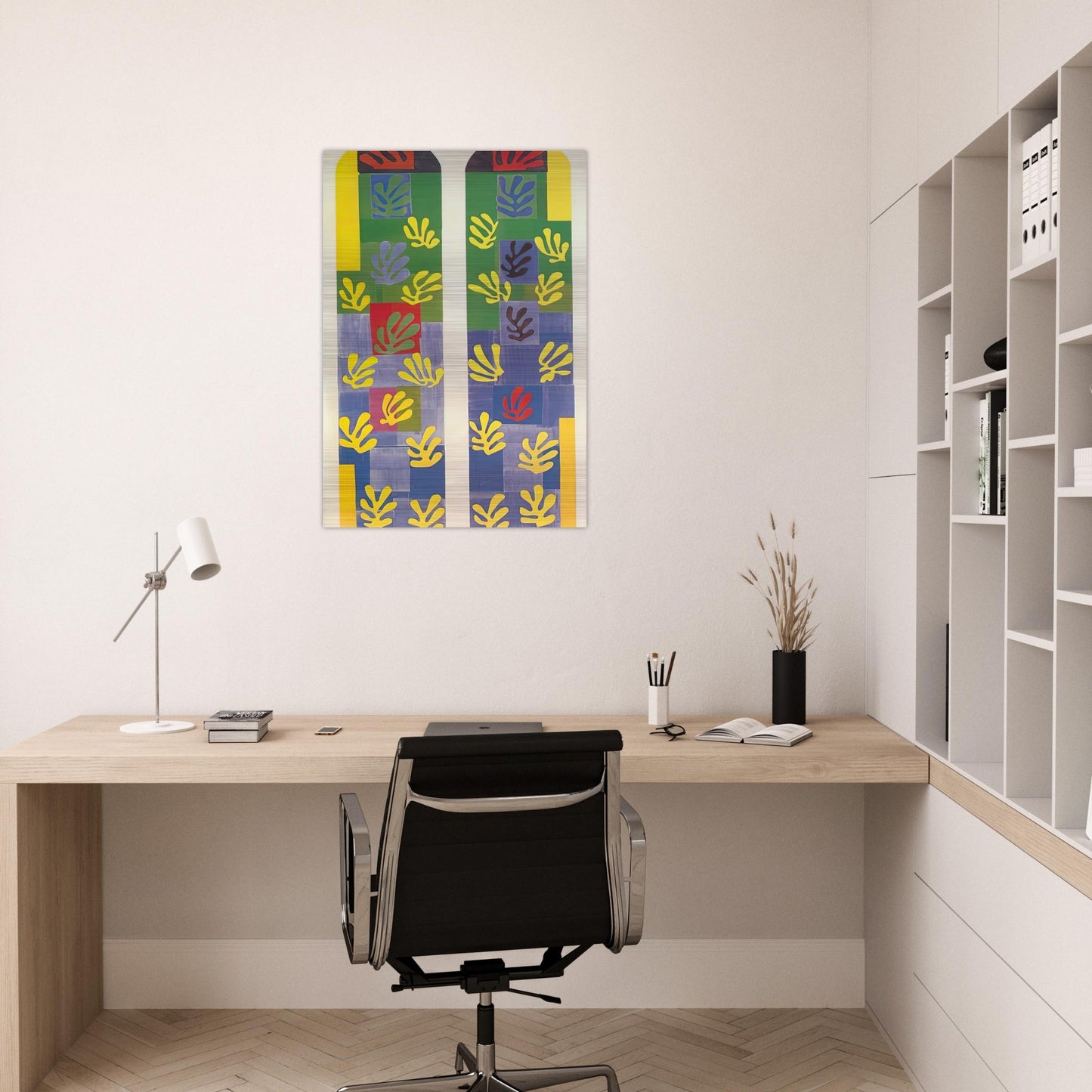
RedKalion's premium reproduction honors Matisse's vision with archival precision. Printed directly on 3mm brushed silver Aluminum DIBOND®, this 70x100 cm (28x40 inches) fine art print features a matte, glare-free finish that enhances the vivid hues while allowing unprinted areas to reveal a striking metallic silver effect. The horizontal grain adds dynamic texture, making it a durable, rigid centerpiece for any interior. Each print includes a complete hanging kit, ready to elevate your home or office with a touch of historical elegance.
As a leader in archival-grade reproductions, RedKalion ensures this piece not only reflects Matisse's innovative papiers découpés technique—where cut-out shapes inspired the window's design—but also stands as a testament to enduring quality. Discover how a Henri Matisse aluminum print can transform your environment with light, color, and legacy.


Discover Unlimited Art Possibilities
At RedKalion, you can find virtually any artwork from any artist, available in a wide range of sizes to perfectly match your space.
If you didn’t find what you’re looking for, contact us at support@redkalion.com . We will source any artwork and produce it in any size and format you need, including art prints, posters, canvas, framed pieces, framed canvas, and more.
For dedicated art enthusiasts, we also offer handcrafted replicas of any artwork, carefully painted by highly skilled artists using traditional techniques.
For custom requests, contact us at support@redkalion.com .
What are the dimensions and material of this Henri Matisse aluminum print?
This fine art print measures 70x100 cm (28x40 inches) and is crafted from 3mm brushed silver Aluminum DIBOND® with a metallic finish and horizontal grain for a dynamic, museum-quality look.
How does the printing process enhance the colors of Matisse's stained glass window?
We use direct printing on Aluminum DIBOND® to achieve vivid, archival colors with a matte finish, while unprinted areas reveal a metallic silver effect for striking contrast.
Is a hanging kit included with this Henri Matisse print?
Yes, a complete hanging kit is included with your order; specific components may vary by fulfillment country to ensure secure installation.
What makes this aluminum print archival and durable?
The 3mm thickness and Aluminum DIBOND® material provide a rigid, long-lasting base resistant to warping, ideal for preserving this museum-quality reproduction.
How does the finish affect the viewing experience of this artwork?
The matte, glare-free finish minimizes reflections, making it perfect for displaying black-and-white designs and enhancing the brushed silver effect in any lighting.
What is the historical significance of Matisse's Stained Glass Window of the Rosary Chapel?
Created in 1949 for the Dominican Chapel in Vence, this work represents Matisse's late-career mastery in using stained glass to blend spiritual themes with bold, abstract color forms.
How did Matisse's technique influence this stained glass design?
Inspired by his papiers découpés (cut-out paper) method, Matisse simplified shapes and used pure colors to create a luminous, harmonious composition that defines modern sacred art.