RedKalion
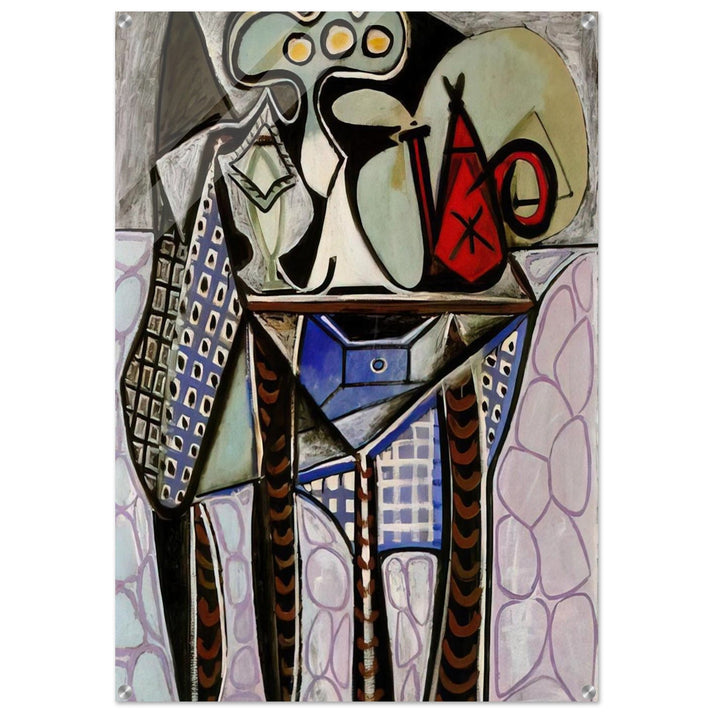
Still life on a table - 1947 - Pablo Picasso Acrylic Print - 70x100 cm / 28x40″ inches | Pablo Picasso Wall Art | Pablo Picasso Prints
Still life on a table - 1947 - Pablo Picasso Acrylic Print - 70x100 cm / 28x40″ inches | Pablo Picasso Wall Art | Pablo Picasso Prints
Couldn't load pickup availability
Still Life on a Table (1947) by Pablo Picasso: A Modernist Masterpiece in Acrylic
Immerse yourself in the bold, revolutionary vision of Pablo Picasso with this museum-quality acrylic print of "Still Life on a Table" (1947). Created during his post-war period, this artwork exemplifies Picasso's enduring genius in redefining form and perspective through Cubist abstraction. The composition—featuring fragmented objects on a table—challenges traditional representation, inviting viewers into a dynamic interplay of shapes and colors that captures the restless energy of mid-20th-century modern art.
RedKalion presents this archival-grade reproduction on 4mm (0.15") premium acrylic, ensuring vibrant color fidelity and a sleek, durable finish that resists fading. With straight-cut corners for a contemporary aesthetic, this piece transforms any space into a gallery-worthy setting. The transparent background defaults to white for optimal presentation, enhancing the artwork's visual impact.
Each print includes a complete hanging kit with hardware, screws, and pre-drilled screw holes (14mm from the edge, 8mm diameter, 15mm screw head) for effortless installation. Elevate your home or office with a timeless reproduction that honors Picasso's legacy and RedKalion's commitment to excellence in fine art prints.
- Artwork: Still Life on a Table (1947) by Pablo Picasso
- Dimensions: 70x100 cm / 28x40 inches
- Material: 4mm (0.15") archival acrylic with vibrant print technology
- Design: Straight-cut corners; white default background for transparent areas
- Included: Hanging kit with hardware and pre-drilled holes (14mm from edge, 8mm diameter)

Discover Unlimited Art Possibilities
At RedKalion, you can find virtually any artwork from any artist, available in a wide range of sizes to perfectly match your space.
If you didn’t find what you’re looking for, contact us at support@redkalion.com . We will source any artwork and produce it in any size and format you need, including art prints, posters, canvas, framed pieces, framed canvas, and more.
For dedicated art enthusiasts, we also offer handcrafted replicas of any artwork, carefully painted by highly skilled artists using traditional techniques.
For custom requests, contact us at support@redkalion.com .
What is the historical significance of Picasso's "Still Life on a Table" (1947)?
Created post-World War II, this artwork reflects Picasso's continued exploration of Cubism, blending abstraction with everyday objects to challenge artistic norms and symbolize renewal in a changing world.
How does the acrylic material enhance this fine art print?
The 4mm (0.15") archival acrylic provides a sleek, vibrant finish with UV-resistant properties, ensuring color longevity and a modern look for your Pablo Picasso wall art.
What are the specifications for hanging this museum-quality reproduction?
It includes a hanging kit with pre-drilled screw holes (14mm from edge, 8mm diameter) and hardware for easy installation of your Pablo Picasso acrylic print.
How durable is this archival print for long-term display?
Made with premium materials, this print resists fading and damage, offering a durable Pablo Picasso reproduction suitable for lasting home or office decor.
What is the return policy for RedKalion art prints?
RedKalion offers a satisfaction guarantee with easy returns within 30 days, ensuring confidence in your purchase of high-quality Pablo Picasso prints.
Why did Picasso use fragmented forms in this still life?
Picasso employed Cubist techniques to deconstruct and reassemble objects, emphasizing multiple perspectives and adding dynamic energy to the traditional still life genre.
How does the white background enhance the artwork's presentation?
The default white background for transparent areas optimizes contrast and clarity, making the colors and shapes in this Picasso print stand out vividly.